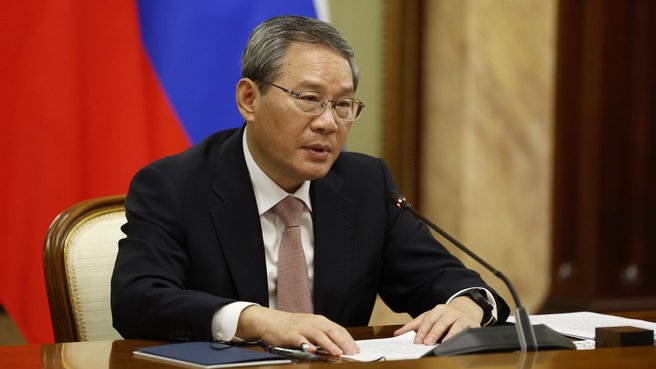
China’s Premier Li Qiang cautioned global economic leaders on Tuesday that the “mutually destructive consequences of tariffs” have grown more visible throughout 2025, urging coordinated action to strengthen international economic governance. Speaking at the “1+10 Dialogue” in Beijing — a forum attended by top officials from the International Monetary Fund, World Bank, World Trade Organization, OECD and the International Labour Organization — Li stressed that escalating trade barriers are distorting global markets and threatening long-term stability.
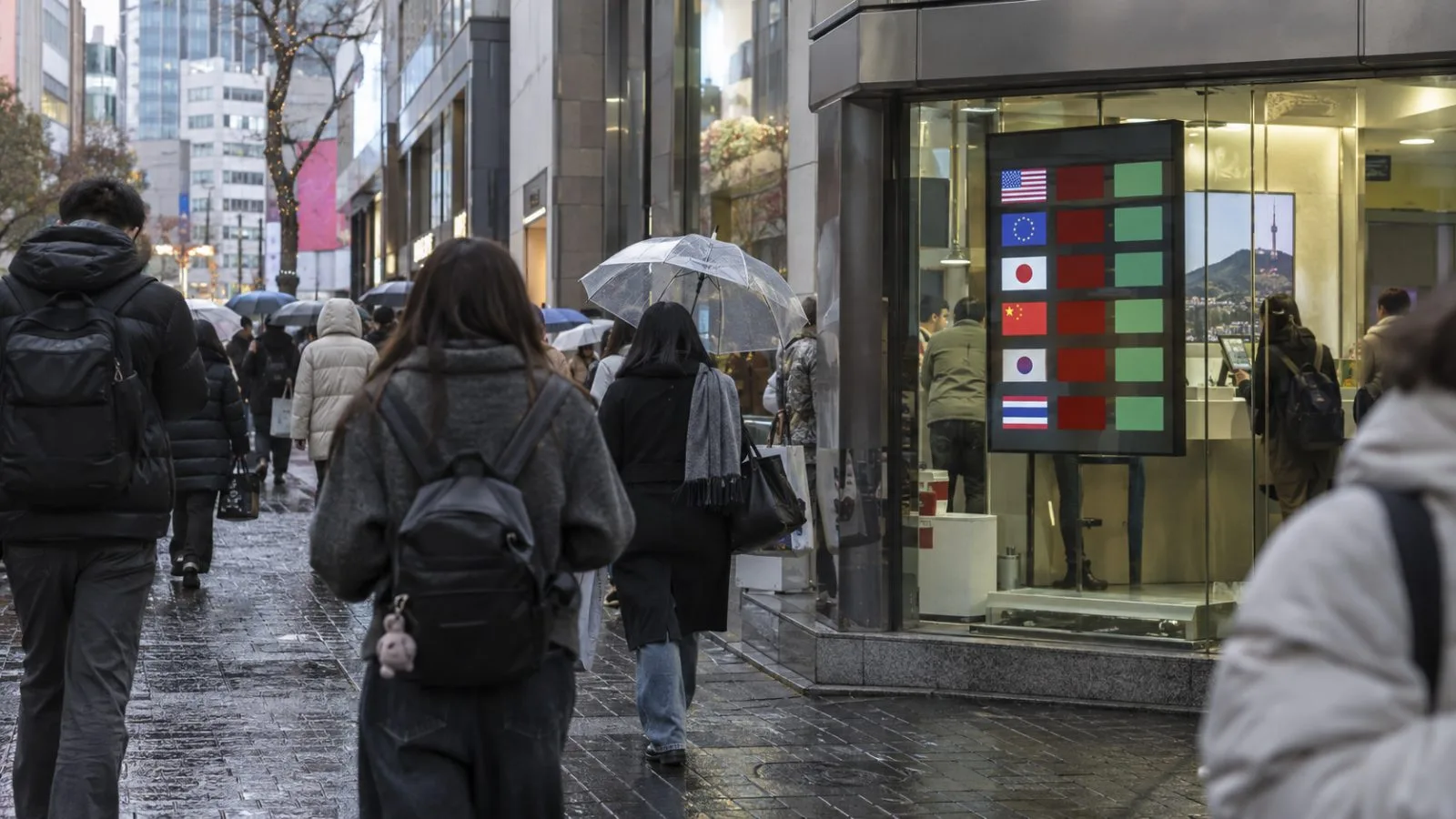
While Li did not directly name U.S. President Donald Trump, his remarks echoed widespread concerns over the expanding U.S. tariff regime, which has reshaped global trade flows. China’s trade surplus surpassed $1 trillion for the first time in November, according to new customs data, a development economists link to tariff-driven shipment diversions away from the United States and into alternative markets. Analysts warn that this shift is increasing competitive pressure on manufacturing sectors across multiple economies that are absorbing redirected Chinese exports.
Li emphasized that, since the beginning of the year, the persistent threat of new tariffs has cast uncertainty over global supply chains and investment decisions. He called for renewed commitment to fair, rules-based trade and stressed that reforming global economic governance is essential to preventing further fragmentation.
The premier also highlighted the growing influence of artificial intelligence on international trade. Citing China’s advanced AI models such as DeepSeek, Li said these technologies are accelerating industrial transformation, boosting productivity and driving innovation in emerging sectors including smart robotics, wearable devices and next-generation manufacturing. AI, he noted, is becoming a key engine of global growth and competitiveness.
Li’s comments underscore China’s message to the international community: cooperation, modernization and open markets remain crucial as the world navigates heightened geopolitical and economic tension.