A federal court has blocked President Donald Trump’s proposed reciprocal trade tariffs, ruling he exceeded his authority by attempting to impose sweeping levies on U.S. trading partners. The U.S. Court of International Trade determined that only Congress has the constitutional authority to regulate foreign commerce, rejecting Trump's use of emergency powers to justify the tariffs.
The lawsuit, filed by the Liberty Justice Center on behalf of five small U.S. importers, challenged Trump’s invocation of the International Emergency Economic Powers Act (IEEPA). The court concluded that IEEPA did not authorize the president to impose broad, indefinite tariffs on nearly all foreign goods, declaring such authority as “unbounded.”
In its decision, the court stated, “The court does not read IEEPA to confer such unbounded authority and sets aside the challenged tariffs imposed thereunder.”
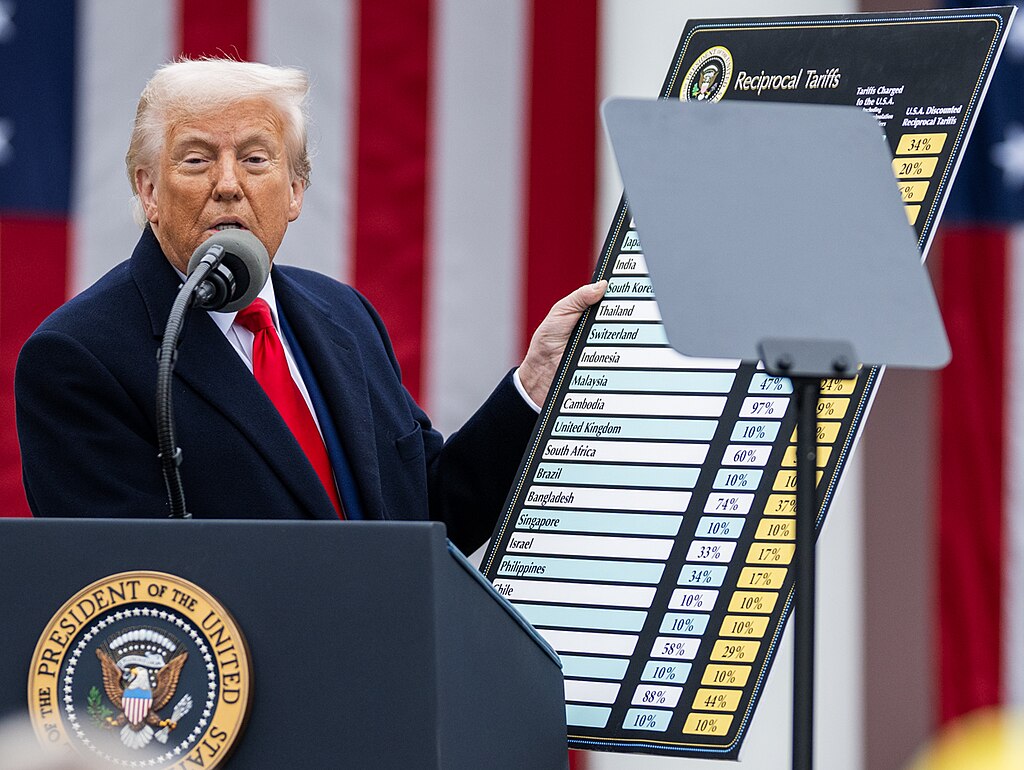
Trump had introduced the tariff proposal in early April, calling it “liberation day,” targeting nations with trade surpluses against the U.S. and countries allegedly acting as trade intermediaries for China. While most of the tariffs were delayed by 90 days, China faced steep duties—reportedly up to 245%—before a de-escalation agreement was reached in May.
This ruling marks a significant legal setback for Trump’s trade agenda, which focused on aggressive tariffs to counter perceived unfair trade practices. The Biden administration has yet to signal whether it will support or appeal the ruling.
The decision is seen as a win for small businesses reliant on global supply chains, and it reaffirms limits on presidential authority in matters of international trade. Legal experts say the outcome could shape future administrations’ use of emergency powers in economic policy.