


 AstraZeneca, Bristol Myers Squibb Explore Mega Merger Worth Nearly $400 Billion
  FDA Adds Fatal Risk Warning to J&J and Legend Biotech’s Carvykti Cancer Therapy
  GSK Unveils $2.52 Billion Cost-Cutting Plan to Accelerate Drug Pipeline
  China vs. NASA: The New Moon Race and What's at Stake by 2030
  NASA's Artemis II Crew Arrives in Florida for Historic Moon Mission
  Trump Signs Executive Order to Boost AI Research in Childhood Cancer
  GLP-1 Weight-Loss Drug Use Surges Among U.S. Children
  Cogent Biosciences Soars 120% on Breakthrough Phase 3 Results for Bezuclastinib in GIST Treatment
  Neuralink Expands Brain Implant Trials with 12 Global Patients
  Trump Signs Order to Cut Routine Childhood Vaccines
  Trump Administration Bars U.S. Travelers From Congo Flights Amid Ebola Outbreak
  Trump Administration Releases New UFO Files and Apollo Mission Records
  Novo Nordisk Raises 2025 Outlook Despite Wegovy Pill Miss and CagriSema Setback


 Add as a preferred source on Google
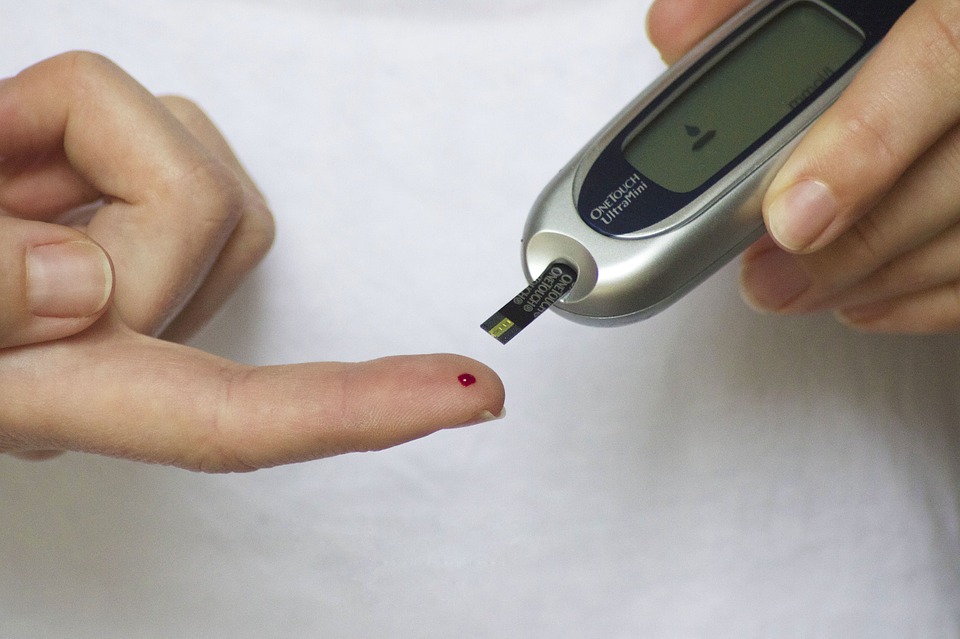
With diabetes being a complex health condition, finding a cure for it naturally comes with quite a few challenges. However, scientists have recently made a huge breakthrough regarding the search for a cure by purging mice of the debilitating illness. This puts them one step closer to finally ending the suffering of thousands around the world who are living with diabetes every day.
Now, it’s worth noting that the study is still in its very early stages and there is still a lot of work to be done. However, it is encouraging to know that UT Health San Antonio researchers finally found a way to improve insulin secretion, which could potentially end insulin-dependency by diabetics, Futurism reports.
The researchers have tested their new method on lab mice that were afflicted with the disease and the rodents were cured. For one year, the subjects exhibited no symptoms to indicate that the cure did not work. Dr. Bruno Doiron, one of the researchers behind the project said as much.
“It worked perfectly,” Dr. Doiron said. “We cured mice for one year without any side effects. That’s never been seen. But it’s a mouse model, so caution is needed. We want to bring this to large animals that are closer to humans in physiology of the endocrine system.”
As a result, the researchers are now thinking about moving the cure to human trials over the next three years. That might seem like a lifetime, but it’s much closer than anyone has ever been to rid the world of diabetes.
It would seem that the obstacles won’t be much of an issue either since it would appear that the Food and Drug Administration has granted approval to similar cases in the past, News.com.au reports. If so, the world should be on track to becoming free of diabetes in the next decade or so.







