


 SoftBank Q1 Profit Beats Forecast as Intel Rally and OpenAI Investments Boost Returns
  Airbnb Stock Jumps After Q2 Earnings Beat, Strong 2026 Outlook
  Qantas Shares Climb as Long-Haul Pilot Deal Eases Strike Concerns
  US Embassies Urge Americans to Leave Middle East as Iran Tensions Escalate
  Appeals Court Rejects Trump Bid to Reinstate $100,000 H-1B Visa Fee
  Brazil Rejects Visas for Trump Officials Ahead of Presidential Election
  Russia Charges Telegram Founder Pavel Durov With Facilitating Terrorism, Seeks International Arrest
  SanDisk Q4 Earnings Beat Estimates as Q1 Revenue Outlook Meets Expectations
  Berkshire Hathaway Cash Falls as Abel Boosts Stock Buybacks
  Mercedes-Benz Stock Offers Deep-Value Potential as Citi Sees Recovery Catalysts
  UOB Q2 Net Profit Rises 10% as Wealth Management Growth Boosts Earnings
  Glencore Posts Strong H1 2026 Earnings, Announces ASX Secondary Listing
  Delta Flight Makes Emergency Landing in Atlanta After Cockpit Fumes Reported
  Samsung, SK Hynix Test AMEC Chipmaking Tools for China Backup Plan
  Trump Administration Weighs Executive Order on Vaccines and Autism Research
  China Vows Retaliation Over U.S. Ban on Chinese Robots, Power Inverters
  Trump Administration to Ban Chinese Robots, Power Inverters Over AI Security Concerns


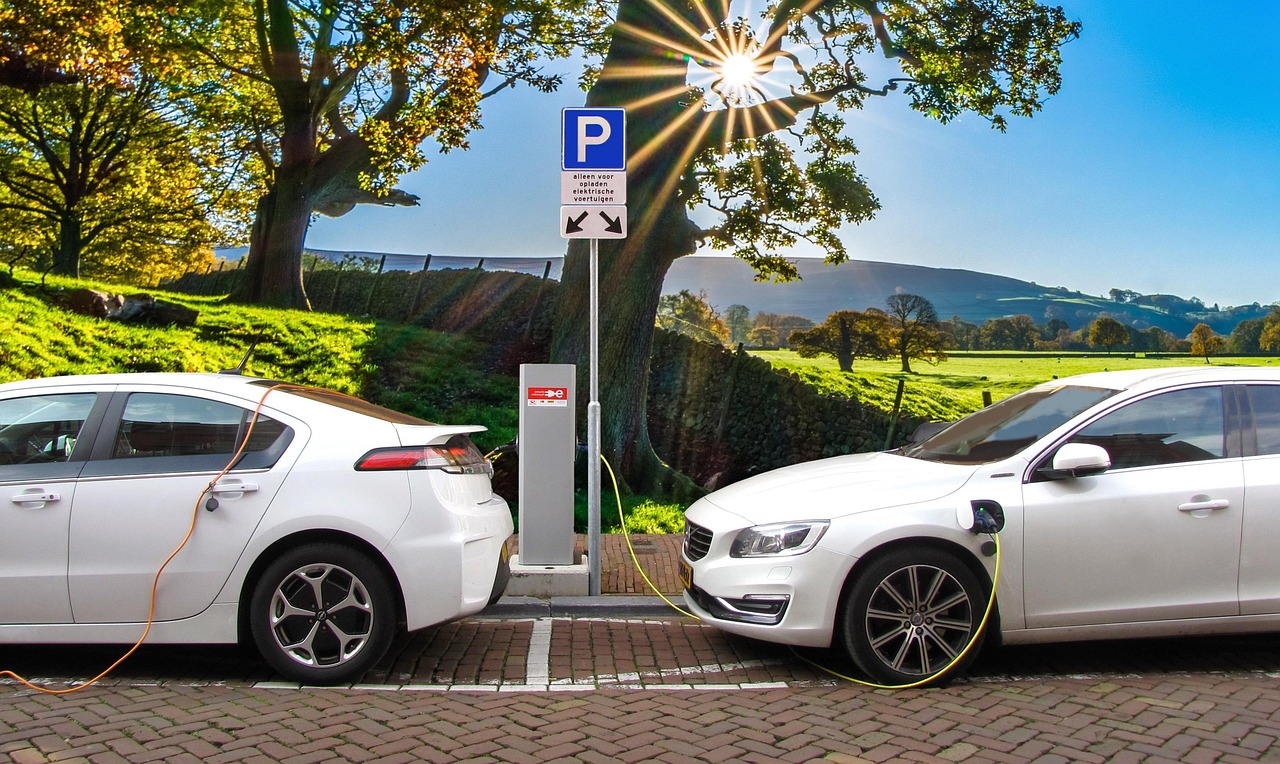
Over 150 executives from Europe’s electric vehicle (EV) industry, including Volvo Cars and Polestar, have signed a letter urging the European Union to maintain its 2035 zero-emission target for cars and vans. The signatories warn that delaying the goal would stall Europe’s EV market, weaken investor confidence, and hand a competitive edge to global rivals.
The appeal follows an earlier letter in August from the European automobile manufacturers’ and suppliers’ associations, signed by Mercedes-Benz CEO Ola Kaellenius, claiming that a 100% reduction by 2035 was no longer realistic. This divide highlights growing tension within the auto industry as EU leaders prepare to discuss the sector’s future on September 12 with European Commission President Ursula von der Leyen.
Industry leaders stress that weakening the targets now would damage Europe’s credibility and competitiveness. Polestar CEO Michael Lohscheller warned that shifting commitments would harm both climate goals and Europe’s ability to lead in EV innovation. Fastned CEO Michiel Langzaal emphasized that billions invested in charging infrastructure and EV software depend on the certainty of the 2035 deadline, ensuring long-term returns and growth.
The EU’s climate commitment is also under pressure from rising Chinese competition and U.S. tariffs, making policy stability crucial. A new report by Transport & Environment (T&E) revealed that all European carmakers except Mercedes-Benz are on track to meet CO₂ regulations for 2025–2027. To avoid penalties, Mercedes may need to pool emissions compliance with Volvo and Polestar.
The call from EV leaders reinforces the urgency of consistent policy to secure Europe’s clean mobility transition. Weakening the 2035 target, they argue, risks undermining climate progress, deterring investors, and conceding leadership in the global EV race.







