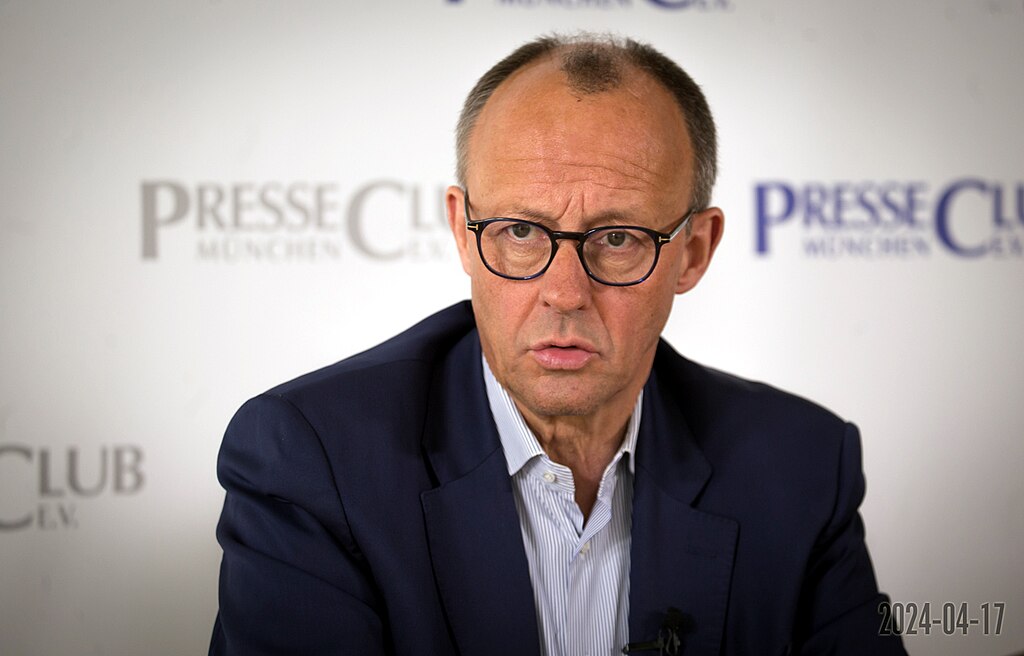
Friedrich Merz, leader of Germany’s conservatives, is set to challenge Chancellor Olaf Scholz’s struggling minority government in Sunday’s election. With a strong lead over the far-right Alternative for Germany (AfD), Merz is positioned to take power as the country faces major economic and diplomatic crises.
At 69, Merz’s return to politics marks a dramatic comeback after years in the private sector. A protégé of Wolfgang Schäuble, he was once a rising star in the Christian Democrats before Angela Merkel’s rise sidelined him. A staunch fiscal conservative, he aims to shift the party rightward, distancing himself from Merkel’s centrist legacy.
Merz’s popularity is weaker in eastern Germany, where the AfD has gained ground. His handling of migration policies, including pushing a vote with AfD support, has sparked controversy, raising concerns about coalition-building under Germany’s proportional electoral system. Despite his Atlanticist stance and experience in corporate boardrooms, skepticism remains about his governing approach.
An advocate for stronger military support for Ukraine, he has criticized Scholz’s reluctance to send Taurus missiles. His stance on fiscal policy remains unclear, though he has hinted at reforming debt limits. He also plans to roll back unemployment benefits and tighten border controls.
A former BlackRock executive, Merz embodies a traditional West German conservatism. His strong international ties, including meetings with European leaders and U.S. officials, indicate potential for a shift in Germany’s global stance. However, with up to seven parties vying for power, coalition talks could delay his leadership.
As Germany seeks stability, Merz’s ability to unite a fractured parliament will determine his success in reshaping the country’s political and economic future.