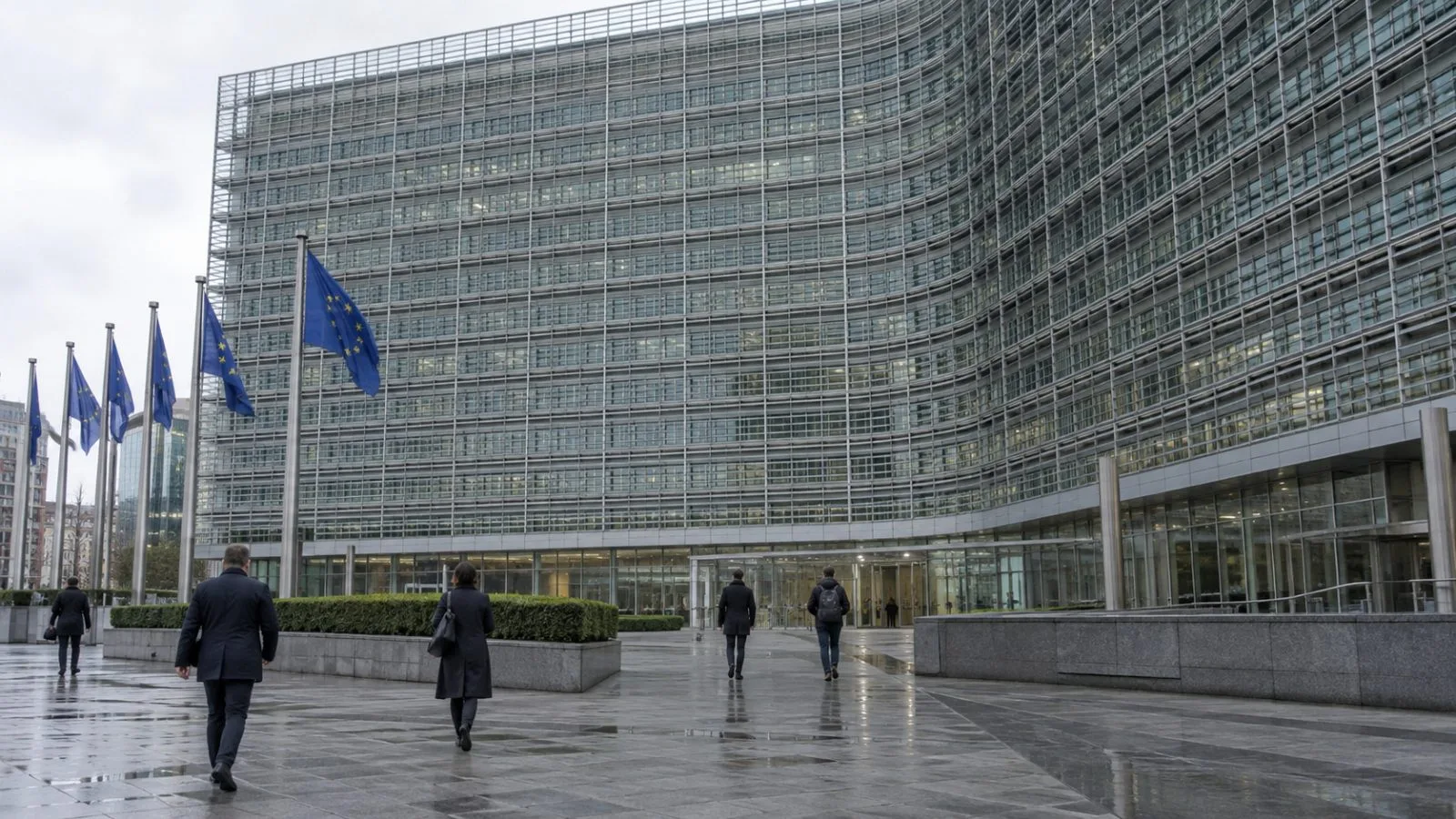
German Finance Minister Lars Klingbeil emphasized the importance of resolving escalating U.S.-EU trade tensions, warning that high tariffs would hurt both economies. Speaking to German broadcaster ARD, Klingbeil said it was in the shared interest of Germany and the United States to find a quick and cooperative solution to the dispute.
Tensions reignited after President Donald Trump proposed a 50% tariff on European Union imports starting June 1, reversing a brief period of de-escalation. Germany, the EU’s largest exporter to the U.S., shipped goods worth €161 billion ($183 billion) last year, including automobiles, machinery, and pharmaceuticals.
Klingbeil cautioned that retaliatory trade measures would increase consumer prices in the U.S. and destabilize global markets. “We should not feel provoked but focus on what is at stake. A joint solution is in everyone’s interest,” he said. He added that U.S. economic indicators, including the dollar and bond markets, suggest Washington also benefits from a stable trade relationship with Europe.
In April, the White House had paused broad tariffs after a negative investor response triggered a selloff in U.S. bonds and currency. However, Trump maintained a 10% baseline import tax and reduced a prior 145% tariff on Chinese goods to 30%.
The proposed 50% tariff on EU goods would significantly impact U.S. consumer prices, particularly on key German exports. Klingbeil’s comments underscore Berlin’s commitment to transatlantic cooperation, while calling on Washington to consider mutual economic stability.
This growing trade conflict highlights the fragile state of global supply chains and investor sentiment, placing pressure on both sides to negotiate a sustainable trade framework before the June deadline.