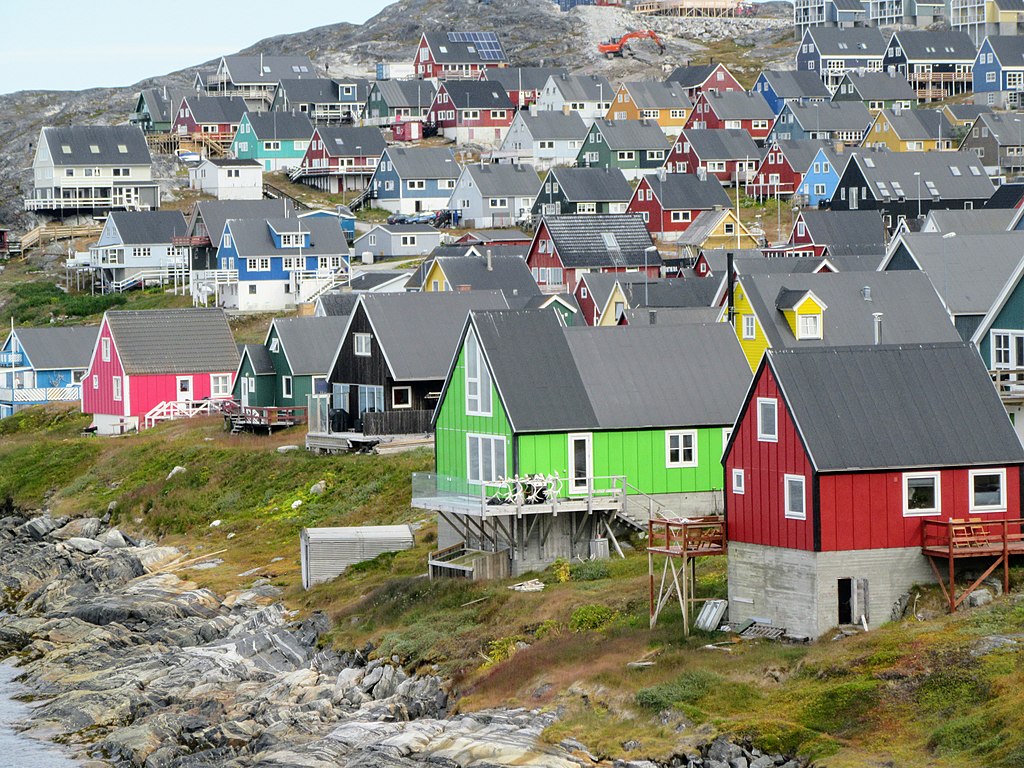
Greenland, an autonomous Danish territory, holds a crucial parliamentary election on March 11, with independence dominating the debate. The U.S. has shown strategic interest, with President Trump previously expressing a desire to control the world’s largest island. Greenland, formally part of Denmark since 1953, has had the right to an independence referendum since 2009.
Polling suggests a majority favor self-rule, but concerns remain over economic stability, as Denmark provides nearly $1 billion annually. Greenland's vast untapped resources, including rare earth minerals, add to the independence debate. The island's location is also vital to U.S. missile defense.
Voting runs from 1100 GMT to 2200 GMT, with results expected early March 12. Of 57,000 citizens, about 40,500 are eligible to vote. Greenland’s parliament, Inatsisartut, has 31 seats, requiring 16 for a majority.
Key parties include ruling Inuit Ataqatigiit (IA), led by Prime Minister Mute Egede, which supports independence but without a set timeline. Social-democratic Siumut, under Erik Jensen, has softened its previous push for a referendum within four years, aiming for gradual separation. Naleraq, the largest opposition party, demands immediate sovereignty, proposing U.S. defense ties or free association.
Demokraatit, a pro-market party, warns against hasty independence, fearing economic setbacks. Atassut, a conservative party, opposes secession without a clear plan, while new leftist Qulleq insists full resource control can address economic challenges.
As Greenland faces a defining moment, the election’s outcome will shape its political and economic trajectory, with global powers watching closely.