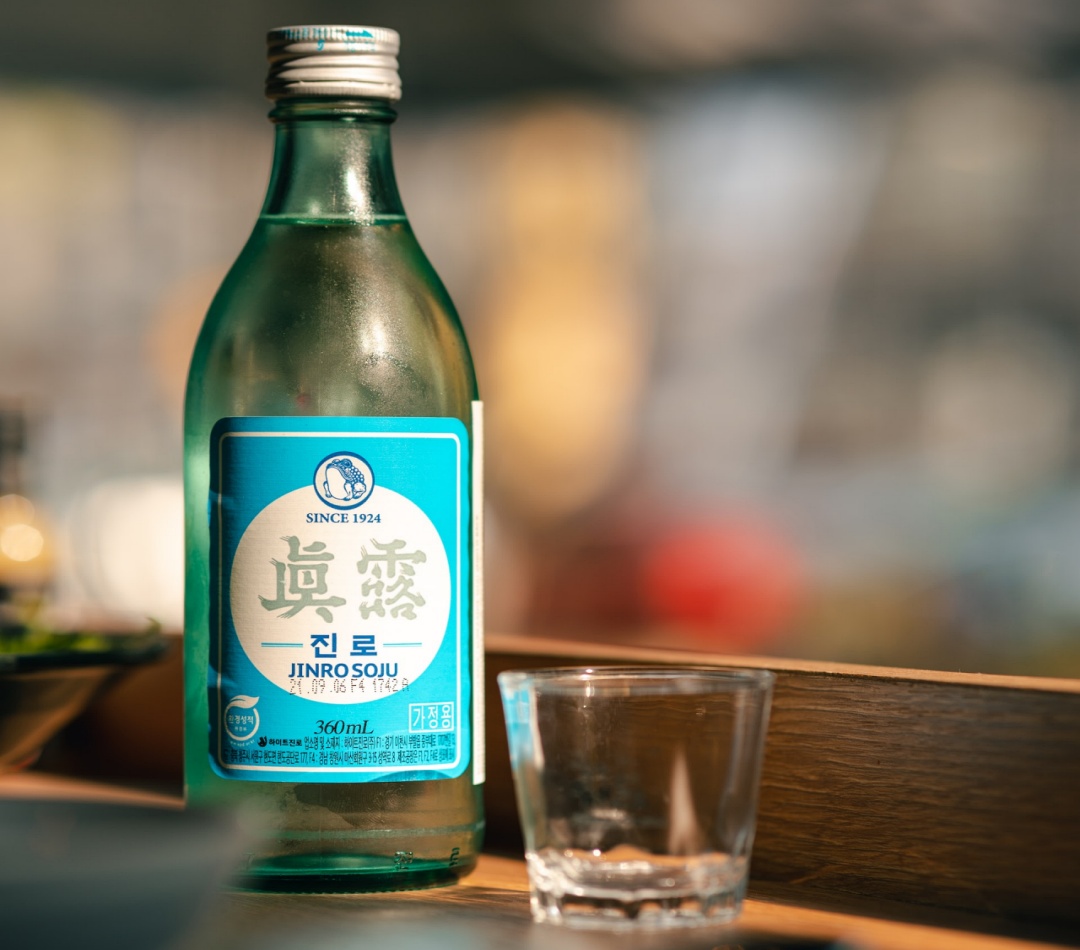
HiteJinro, a South Korean distiller company that makes soju and beer, is in hot water after it was allegedly caught changing the labels of its soju drink bottles. Local industry officials said that the company is doing this illegal act with the intention of misleading the consumers.
The officials said on Wednesday, Feb. 15, that HiteJinro replaced the labels of its Jinro Soju brand to make it appear that they are the brand's Zero Sugar version. In truth, the alcohol content of the drinks is 16.5% and definitely has some levels of sugar in them.
The Zero Sugar soju is said to be the newer type of clear alcoholic drink and has recently become very popular, especially in restaurants around Seoul. This has 16% of alcohol content, and it is different from the regular Jinro soju because their ingredients are not the same.
Moreover, The Korea Times reported that, unlike the original version, Zero Sugar has no fructose and only contains artificial sweeteners. This was created for drinkers who want to avoid sugar.
It was suggested that due to its rising popularity, the demand for the product is quite high, but the production may be slow. This may have prompted HiteJinro to just change the label to meet the demand and sell more since it has stocks of the original soju.
The publication mentioned that the act of putting on a false label on products is a clear violation of the country's Article 8 of the Act on Labeling and Advertising of Food. Offenders can end up in jail for up to five years or be fined up to KRW50 million or about $38,971.
Meanwhile, HiteJinro issued a statement regarding the allegation and denied it has intentionally changed the labels of its regular soju brand. The company explained that the mislabeling of the bottles was a complete mistake that was committed by its sales personnel who was working part-time.
HiteJinro further said the employee only replaced the front labels, and the back labels remained. This means that the information about ingredients that show sugar content was still displayed despite the error on the front label.
"We intended to change the labels only for sugar-free products as the previous one showed the 'Zero Sugar' phrase too small on the front label," a company official stated. "Our sales personnel didn't do it intentionally. It was a mistake."
Photo by: Javier Esteban/Unsplash