


 China Resumes US Soybean Purchases After Trump-Xi Summit
  SpaceX Starlink Restrictions Disrupt Ukraine Military Operations
  IMF Warns US Debt Crisis Needs Fiscal Action, Urges China to Boost Consumption
  Trump Warns Houthis Over Attacks, Considers Erdogan Intervention
  Container Ship Sinks in Strait of Hormuz as Iran Attacks Escalate
  Trump Announces Massive Oil and Mineral Exploration Plans in Greenland
  Elon Musk Donates $366 Million to 2026 US Midterms
  Zelenskiy Says Ukraine Received No Warning Before Russian Missile Attack
  Flavio Bolsonaro Backs Brazil’s 40-Hour Workweek Reform Ahead of Runoff
  Most Americans Oppose Election Betting on Prediction Markets, Poll Finds
  US Justice Department Drops Prosecution of Ex-CIA Analyst Sue Mi Terry
  US Condemns China Sanctions on Taiwan Allies Belize and Paraguay
  Trump Confirms US Intelligence Sharing With Ukraine Amid Russian Strikes
  Zelenskiy Says Trump’s Support for Russia Is ‘Painful’
  Kim Jong Un Showcases ICBM Ahead of Possible Trump Meeting
  Trump Denies Russia and China Are Helping Iran in U.S. Conflict
  MI5 Warns of Rising Iran, Russia Threats and AI Bioweapon Risks


 Add as a preferred source on Google
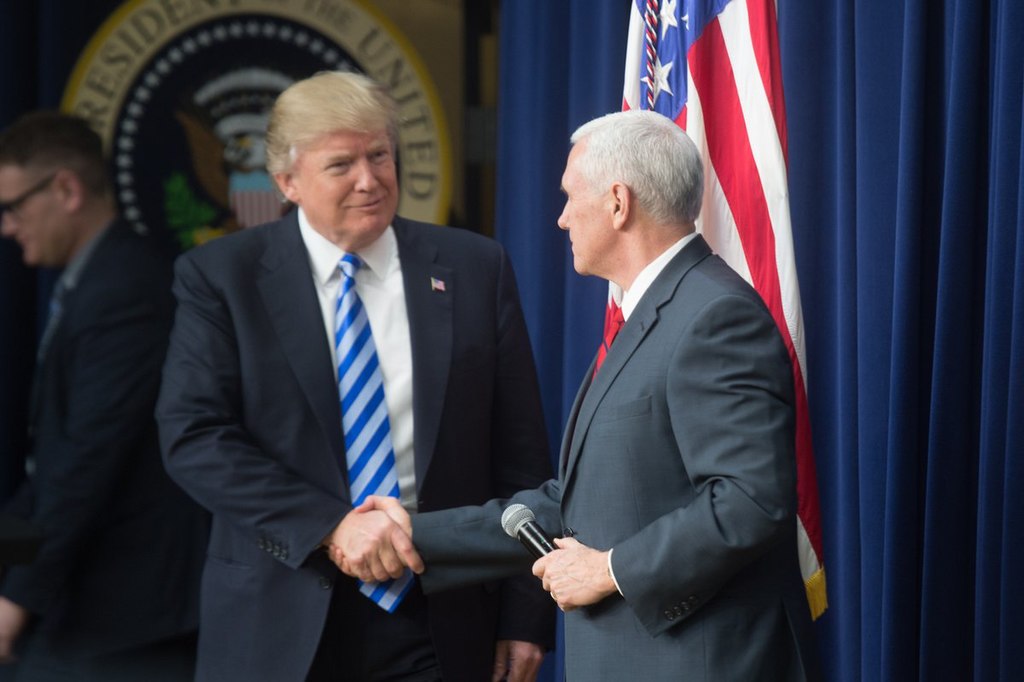
Former President Donald Trump has introduced a multifaceted plan to tackle the growing issue of traffic congestion in urban areas across the United States. His ambitious 2025 strategy focuses on leveraging cutting-edge technology, infrastructure enhancements, and public-private partnerships to reduce gridlock in major cities. Speaking at a transportation summit in New York, Trump declared his commitment to modernizing urban mobility and ensuring efficiency in metropolitan hubs.
Central to his plan is the deployment of advanced traffic management systems, which integrate artificial intelligence and real-time data analytics. Trump emphasized that these innovations would streamline traffic flow, reduce commuter delays, and improve overall air quality in urban centers.
“American cities deserve modern solutions, and 2025 will be the year we revolutionize how we move,” he stated during the summit.
Public Transportation and Private Sector Collaboration
A key component of Trump’s initiative involves significant investments in public transportation systems. His administration plans to allocate $20 billion to expand and modernize transit networks, including subways, light rail, and bus systems. By enhancing public transit, the initiative aims to provide commuters with efficient alternatives to car travel, thereby reducing road congestion.
In addition, Trump’s strategy includes incentives for private sector innovation. Ride-sharing companies and tech firms are encouraged to collaborate with city governments to implement smart mobility solutions, such as dynamic carpooling and app-based traffic monitoring. Autonomous vehicle testing zones are also being proposed as part of the effort to explore sustainable traffic management technologies.
Critics, however, have raised concerns about the feasibility of funding these initiatives. Some argue that allocating $20 billion is insufficient to address the complex challenges of urban congestion comprehensively.
Mixed Reactions Online
Trump’s traffic congestion plan has sparked a wave of reactions on social media. While some users praised the bold approach, others questioned its viability:
- @TrafficTamer2025: “Finally, a leader taking urban congestion seriously! AI traffic systems could change everything.”
- @SkepticCommuter: “$20 billion isn’t enough to fix the mess in NYC alone. Let’s see actual results first!”
- @TransitLover: “Public transportation upgrades are long overdue. Hopefully, this plan delivers.”
- @UrbanCritic: “Trump’s initiative sounds promising, but will private sector partnerships prioritize profits over real commuter needs?”
- @GreenMobilityNow: “Reducing congestion and improving air quality? I’m all for it. Excited to see how this unfolds.”
- @PolicyPundit: “Bold claims, but execution is key. Let’s hope this doesn’t get lost in political gridlock.”







