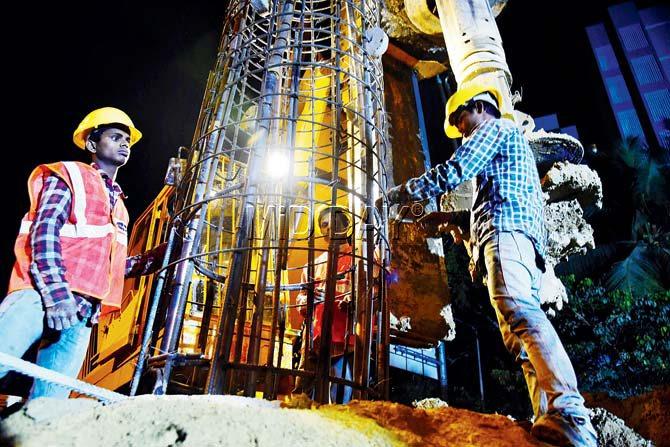
Migrant construction workers who fled India’s cities when the pandemic started are too scared to return their former jobs, causing grim economic implications.
Among them were the 80 percent of construction workers who left Mumbai after work came to a standstill, the Maharashtra Chamber of Housing Industry revealed.
With lockdown measures eased, over 10,000 building sites remain abandoned due to severe labor shortages.
Real estate developer Rajesh Prajapati said they tried their best to bring back migrant workers, even offering them air tickets, COVID-19 health insurance, and weekly checkups by doctors, to no avail.
Property giant Hiranandani Group, which continued to pay its workers during the lockdown, managed to convince only around 30 percent of its 4,500 workers to stay on site.
Real estate demand has plunged nearly 90 percent in Mumbai, with weak sales and the lull in construction affecting credit access.
Analysts say that as firms reeling from its battered finances and stalled projects, it is compounded by a lack of workers.
Pankaj Kapoor, CEO of Mumbai-based consultancy Liases Foras, described the situation as a double whammy with the pandemic diminishing demand and construction workers not being available.


U.S. Stock Index Futures Steady as Markets Await Fed Policy Clues in Holiday-Thinned Trade
U.S. Dollar Slides Toward Biggest Annual Loss Since 2017 as 2026 Risks Loom
China Manufacturing PMI Rebounds in December, Offering Boost to Economic Growth Outlook
Wall Street Ends Mixed as Tech and Financial Stocks Weigh on Markets Amid Thin Holiday Trading
Asia Manufacturing PMI Rebounds as Exports and Tech Demand Drive Growth into 2026
U.S. Stock Futures Slip as Year-End Trading Turns Cautious
South Korean Won Slides Despite Government Efforts to Stabilize Currency Markets
China Imposes 55% Tariff on Beef Imports Above Quota to Protect Domestic Industry
Oil Prices Slide in 2025 as Oversupply and Geopolitical Risks Shape Market Outlook
USDA $12 Billion Farm Aid Program Draws Mixed Reactions from Row Crop Farmers
U.S. Dollar Steadies Ahead of Fed Minutes as Markets Eye Policy Divisions
South Korea Inflation Rises to 2.3% in December, Matching Market Expectations
South Korea Factory Output Misses Forecasts in November Amid Ongoing Economic Uncertainty
Forex Markets Hold Steady as Traders Await Fed Minutes Amid Thin Year-End Volumes
Asian Stock Markets Start New Year Higher as Tech and AI Shares Drive Gains
South Korea Factory Activity Returns to Growth in December on Export Rebound 


