Iraq has been in a political deadlock for nearly a year since last year’s elections in October. Influential Shi’ite cleric Muqtada al-Sadr this week announced that he is permanently quitting politics, further fueling tensions.
Sadr announced Monday that he was permanently quitting political life, citing that his fellow Shi’ite leaders failed to heed the calls to reform the government.
Sadr published his statement on Twitter following months of protests by his supporters, the Sadrists, calling for new elections and for the Iraqi parliament to be dissolved.
“I hereby announce my final withdrawal,” said Sadr in his statement. Sadr added that all the institutions related to his Sadrist political movement would be closed down.
The mausoleum of his father, Mohammad al-Sadr, who was assassinated in 1999, will remain open, as well as other heritage facilities. Sadr also criticized his political rivals for not listening to his calls for reform.
Hassan Al-Athary, who leads the Sadrist parliamentary bloc, shared on Facebook that Sadr began a hunger strike “until the violence and use of weapons” come to an end.
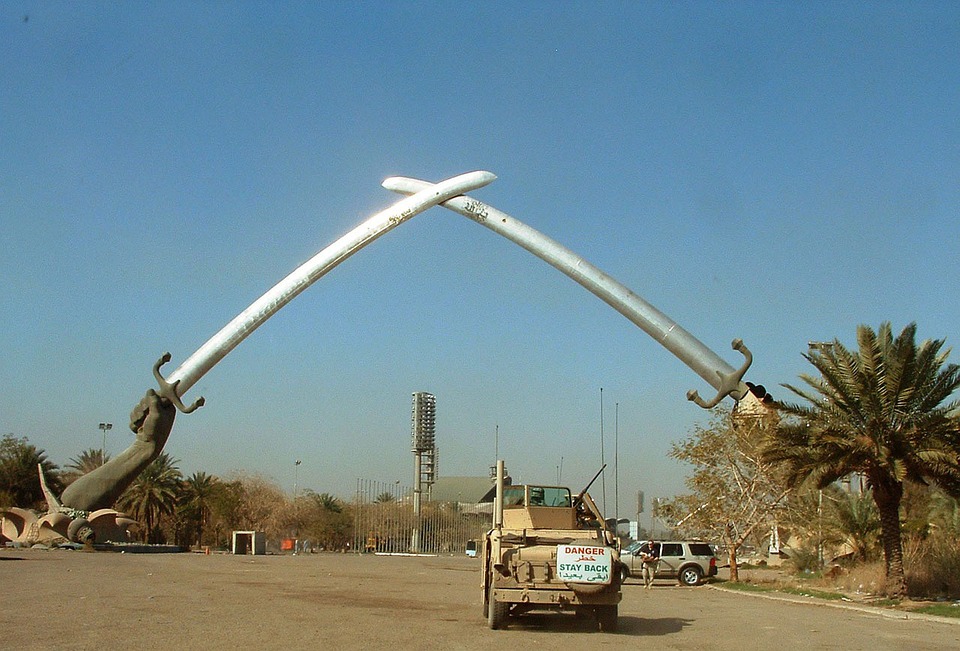
The announcement of Sadr’s permanent withdrawal from political life was met with unrest amongst his supporters, who stormed the presidential palace which is inside the fortified Green Zone in the capital Baghdad.
Supporters who took part in a sit-in in the Iraqi parliament also clashed with the counter-protest by Sadr’s Shia rivals.
Gunfire was also heard in the Green Zone, and security forces launched tear gas at Sadr’s supporters. Media outlets reported that at least 10 people were killed in the clashes.
The Iraqi army later declared a nationwide, indefinite curfew that took effect at 7 p.m. Monday in response to the unrest.
Iraqi state news outlet INA also reported Monday that Prime Minister Mustafa al-Kadhimi announced a suspension of cabinet sessions until further notice.
In light of the unrest in Iraq, the Kuwait embassy has urged its citizens in Iraq to leave the country. The embassy also asked those who plan on travelling to Iraq to postpone their plans.
The White House also called the unrest “disturbing” Monday and called for both sides to engage in dialogue to ease the political problems in the country. Speaking with reporters, White House National Security Council spokesperson John Kirby said there was no reason to evacuate its staff at the US embassy in Iraq at this time.