


 Asian Stocks Fall as Bond Yields and Oil Prices Surge
  Asian Currencies Mixed as Yen Slides on BOJ Rate Signals
  BOJ Signals Faster Rate Hikes as Inflation Risks Grow
  Global Central Banks Brace for More Rate Hikes as Inflation Risks Rise
  Central Banks Could Buy 20,000 Tonnes of Gold: BofA
  Dollar Eases Near Two-Month High as Yen Rebounds
  RBA Hikes Interest Rate to 4.60% as Inflation Risks Rise
  Gold Rebounds as Oil Falls and Treasury Rout Eases
  Fed’s Williams Signals One More Rate Hike Before Year-End
  US Alcohol Ban Exposes Canada’s Internal Trade Barriers


 Add as a preferred source on Google
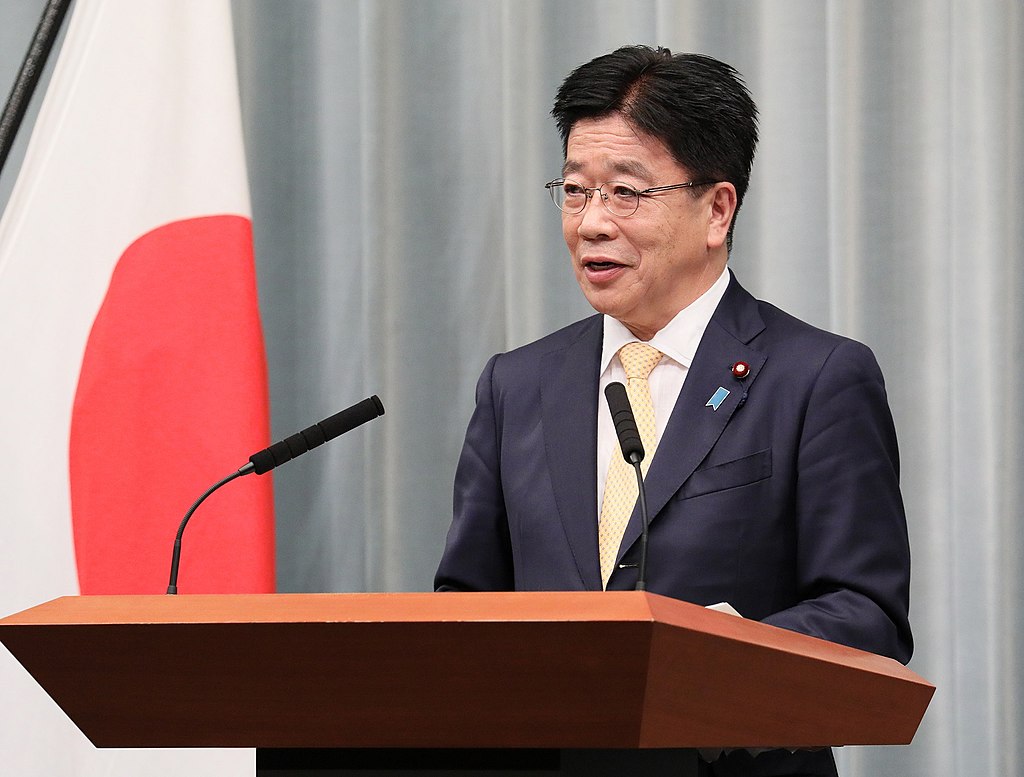
Japan's Finance Minister Katsunobu Kato announced Tuesday that the government will implement prudent debt management strategies amid a shift in the Bank of Japan's (BOJ) bond-buying policy. Emphasizing the importance of maintaining investor confidence, Kato said the government aims to diversify its base of Japanese government bond (JGB) holders by closely engaging with market participants.
As the BOJ gradually reduces its bond purchases, the Japanese government is exploring new measures to bolster domestic demand for JGBs. Among these initiatives are the introduction of a new floating-rate bond tied to short-term interest rates and allowing unlisted companies to invest in bonds tailored for retail investors.
Kato highlighted the necessity of ensuring a wide range of investors—beyond institutional holders—can participate in the JGB market. “It’s important for the government to ensure a variety of investors buy and own government bonds,” he stated during a press briefing.
To support the bond market and respond to rising yields, the government is also considering buying back some of its super-long-term bonds, initially issued at historically low interest rates. Additionally, a reduction in the issuance of such long-dated debt is being weighed, as previously reported by Reuters.
Kato reaffirmed that all policies would be aimed at preserving market trust in Japan's fiscal stability. “We will continue to take appropriate steps so that market confidence in Japanese government debt is not lost,” he said.
These developments reflect Japan’s ongoing efforts to balance fiscal sustainability with market flexibility as it navigates a post-ultra-loose monetary policy era. With rising global interest rates and shifting investor behavior, Japan’s evolving bond strategy could play a key role in ensuring financial resilience.







