


 Zelenskiy Says Trump’s Support for Russia Is ‘Painful’
  EU Leaders Meet to Tackle China Imports, Energy Costs and Budget Disputes
  Trump Announces Massive Oil and Mineral Exploration Plans in Greenland
  US Supreme Court Denies Release of Anti-ICE Activist Kyle Wagner
  US Senate Midterms 2026: Key Races That Could Flip Control
  FBI Denies Report of Kash Patel’s Russia Visit
  IMF Warns US Debt Crisis Needs Fiscal Action, Urges China to Boost Consumption
  China Resumes US Soybean Purchases After Trump-Xi Summit
  SpaceX Starlink Restrictions Disrupt Ukraine Military Operations
  US Justice Department Drops Prosecution of Ex-CIA Analyst Sue Mi Terry
  Taiwan President Urges Micron, Workers to Negotiate Amid Strike Threat
  Zelenskiy Says Ukraine Received No Warning Before Russian Missile Attack
  Trump Confirms US Intelligence Sharing With Ukraine Amid Russian Strikes
  China Warns Taiwan Over South China Sea Coast Guard Incident
  Italy’s Meloni Warns US-Russia Diesel Deal Could Weaken Ukraine Sanctions
  Flavio Bolsonaro Backs Brazil’s 40-Hour Workweek Reform Ahead of Runoff
  Trump Wishes Pope Leo Speedy Recovery After Lung Cancer Diagnosis


 Add as a preferred source on Google
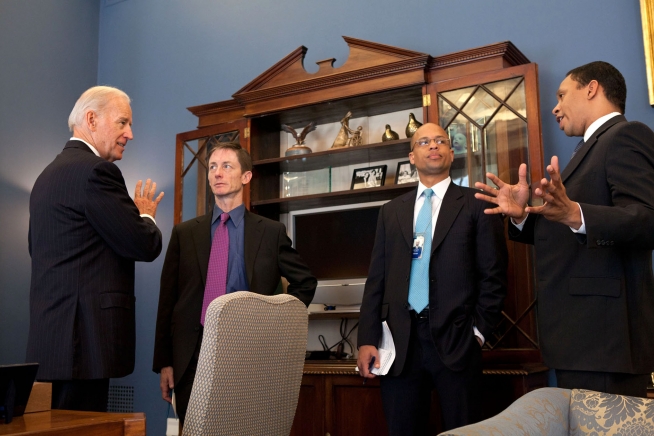
A few weeks ago, presumptive Democratic nominee Joe Biden unveiled his $2 trillion climate plan, which has received praise from many environmental groups and climate activists. The plan also details how it can also open up job opportunities for many Americans.
Although his climate plan has mostly earned praise, especially as 2019 saw protests calling for lawmakers and other prominent figures to do something about the issue of climate change and global warming. However, there are still those who are skeptical about this plan and are unconvinced that Biden is aggressive enough to make it happen. The Biden campaign is still optimistic that they are on a roll by creating a link between jobs and the environment.
Biden’s climate plan promises to clean up carbon pollution by 2035, with the $2 trillion plan spaced out over four years. 40 percent of the investments made on clean energy will be saved for “disadvantaged communities.”
By linking the two together, there would be a way to not only do something about climate change but to also help rebuild America’s economy - the latter being a comment Donald Trump has made against the former vice president. The main message of this climate plan is to create jobs for Americans in manufacturing and installing solar panels and wind turbines, as well as jobs in manufacturing electric vehicles while transporting them from US ports.
However, should Biden win the November elections, the Democrats will need to take control of the Senate in order to implement these plans while seating more Progressives in Congress. According to World Resources Institute fellow and Obama-administration climate negotiator Andrew Light, the world will be watching the congressional support Biden will receive, including how the Republicans will react to his victory.
Meanwhile, as the November elections draw near, so are the upcoming presidential debates that will see Biden face off Trump for the first time. Recently, out of safety concerns on the coronavirus, the debate between Biden and Trump will be taking place in Cleveland, Ohio on September 29. It was originally going to take place at the University of Notre Dame in Indiana, but out of coronavirus concerns, it would be hosted by the Cleveland Clinic and Case Western Reserve University’s Health Education campus instead.







