


 Trump Confirms US Intelligence Sharing With Ukraine Amid Russian Strikes
  Italy’s Meloni Warns US-Russia Diesel Deal Could Weaken Ukraine Sanctions
  Trump Denies China, Russia Are Helping Iran in War
  SpaceX Starlink Restrictions Disrupt Ukraine Military Operations
  Elon Musk Donates $366 Million to 2026 US Midterms
  US Senate Midterms 2026: Key Races That Could Flip Control
  US Justice Department Drops Prosecution of Ex-CIA Analyst Sue Mi Terry
  Kim Jong Un Showcases ICBM Ahead of Possible Trump Meeting
  US Recalls Nicaragua Envoy After Ambassador Rejection
  Flavio Bolsonaro Backs Brazil’s 40-Hour Workweek Reform Ahead of Runoff
  Gaza Olive Harvest Collapses as War Destroys Farmland
  NATO Commander Warns Russia of Devastating Response to Attack
  Trump Plans White House Shake-Up of Key AI Safety Agency
  US Supreme Court Denies Release of Anti-ICE Activist Kyle Wagner
  Trump Announces Massive Oil and Mineral Exploration Plans in Greenland
  MI5 Warns of Rising Iran, Russia Threats and AI Bioweapon Risks
  US Condemns China Sanctions on Taiwan Allies Belize and Paraguay


 Add as a preferred source on Google
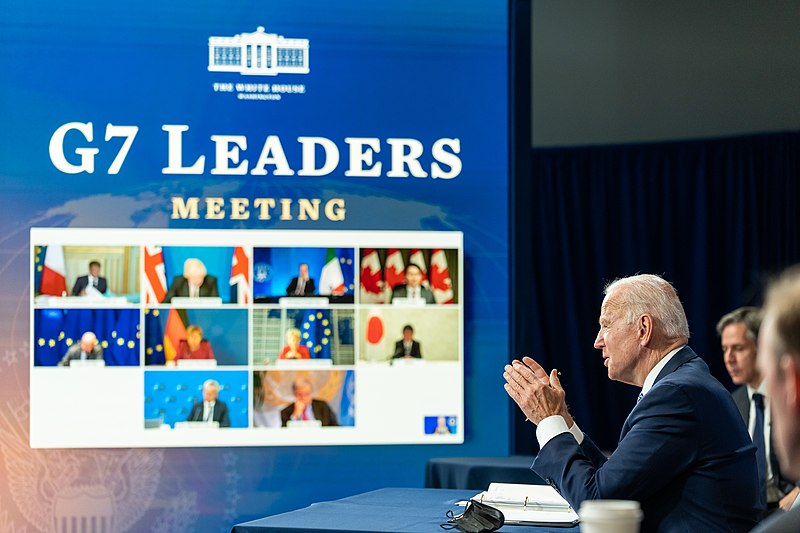
US President Joe Biden is set to meet with the new Israeli Prime Minister Naftali Bennett in his visit to Washington this week. Israeli officials have said that Bennett is expected to present Biden with a plan on how to deal with Iran without resorting to the nuclear deal.
The Times of Israel reported that Bennett will present a strategy to deal with Iran’s nuclear program and address regional issues without having to return to the nuclear deal established in 2015. Bennett’s meeting with Biden will take place Thursday. Israeli officials said that Bennett will make the case that Iran’s nuclear program has already become too advanced for the 2015 deal to still take place.
The officials have also argued that the deal would benefit Iran the most, even if the loopholes in terms of enrichment would be addressed.
“When we began to plan the visit, a return to the agreement seemed certain. Since then, time has passed, the president in Iran has changed and things seem far less certain. In our view, it may be that there is no return to the agreement,” said the person familiar with the matter.
Bennett has opposed the Biden administration’s plan to return to the 2015 Iran nuclear deal -- Biden’s predecessor Donald Trump pulled the US out of the deal in 2018. While other Western nations have held negotiations with Iran in Vienna for the past several months, talks have been put on hold as Ebrahim Raisi was sworn in as the Islamic nation’s new president.
Meanwhile, Biden is also tackling the ongoing withdrawal of Afghans and Americans in Afghanistan as tens of thousands have already been flown out so far. Biden had a meeting with his G7 countries over the deadline for the withdrawal. Biden has faced calls to extend the August 31 deadline by the other countries joining in the efforts in flying out Afghans looking to flee from the Taliban.
However, Biden appeared to clash with some of them, unswayed by the calls for an extension. The leaders of the allied nations have also acknowledged and ultimately will enforce the August 31 deadline on their respective military forces.







