


 Ukraine Tests New Anti-Drone Weapon After Successful Shahed Intercept
  Kim Jong Un Pledges Deeper Russia Cooperation
  Countries Tighten Social Media Bans for Children
  Banking scandal rocks Brazil’s politics and the country’s presidential election in October
  Mahmoud Khalil Sues Columbia Over Alleged Pro-Palestinian Harassment
  Europe can’t achieve space sovereignty alone. Here’s why
  Saudi Arabia Shuts East-West Oil Pipeline After Drone Attack
  US Immigration Arrests Surge as Deportations Lag Behind
  France Targets Shein, Temu With Fast-Fashion Fees
  Vietnam, U.S. Firms Plan 29 Deals Across Energy, Tech and Aviation
  Who should own the knowledge that underpins AI technology?
  South Korea’s Cho Hyun to Meet Rubio in Washington
  Rodrigo Duterte Makes First Public Appearance at ICC in 18 Months
  Ukraine Races to Counter Russia’s Faster Jet-Powered Drones
  Trump Administration Removes Confederate Memorial Criticism From Arlington Website
  Trump Rejects Calls for Tougher AI Regulation
  29 US states are suing Meta. What might it mean for the rest of the world?


 Add as a preferred source on Google
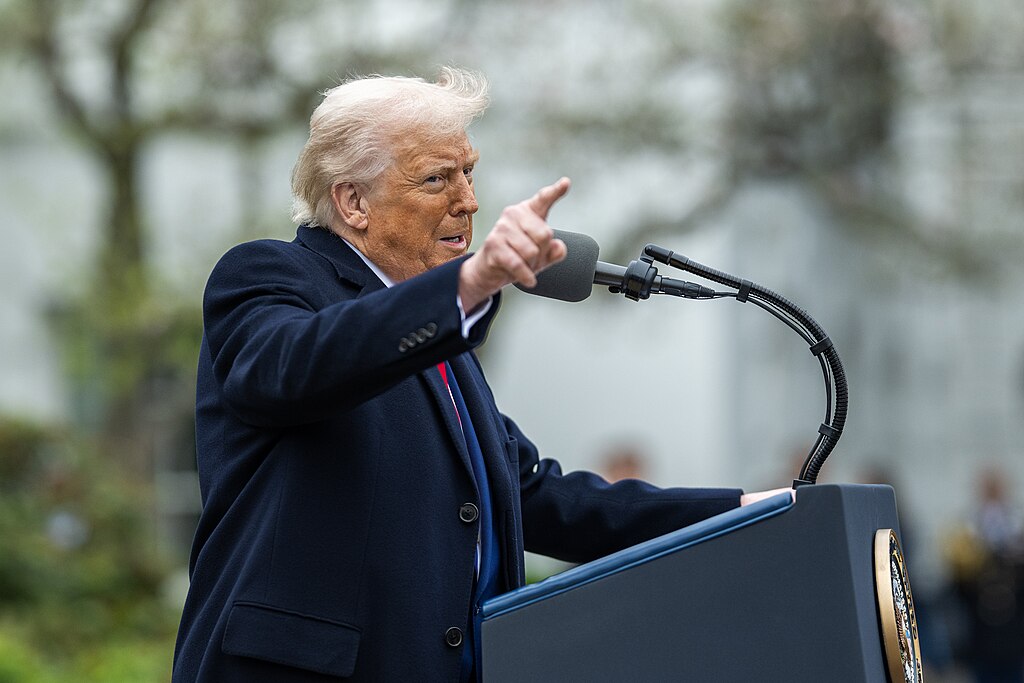
A U.S. federal judge has blocked President Donald Trump’s administration from tying transportation funding to immigration enforcement compliance. On Thursday, Chief U.S. District Judge John McConnell in Rhode Island ruled that the U.S. Department of Transportation lacked legal authority to demand cooperation with Immigration and Customs Enforcement (ICE) as a condition for federal transportation grants.
The decision came after 20 Democratic-led states sued the administration, arguing that the policy unlawfully pressured them to align with Trump’s hardline immigration agenda. These states, along with their cities and counties, opposed the April 24 directive by Transportation Secretary Sean Duffy, which threatened to withhold funding unless local governments assisted federal immigration officers.
Judge McConnell, an Obama appointee, issued a preliminary injunction, emphasizing that there was no legitimate connection between immigration cooperation and the congressional purpose of the grants—namely, infrastructure development like highways and bridges. He wrote that Congress did not give the Transportation Secretary the authority to impose such immigration-related conditions.
Since returning to office on January 20, Trump had signed multiple executive orders aimed at penalizing sanctuary jurisdictions—areas that limit cooperation with ICE—by cutting off federal funds. The lawsuit is part of a broader legal pushback against these executive actions.
California Attorney General Rob Bonta praised the ruling, calling it a win for state rights and infrastructure development. “Trump was using transportation funds as leverage to force compliance with his immigration policies,” Bonta said.
The 20 states are also pursuing a related case challenging similar restrictions imposed by the Department of Homeland Security on other federal grant programs.
This ruling reinforces legal limits on federal power to coerce states on immigration enforcement and underscores the ongoing legal clash between sanctuary policies and federal mandates.







