


 Trump Defends Russian Diesel Deal Amid US Sanctions Backlash
  India Voter List Protests Reach Supreme Court as Opposition Demands Election Chief's Resignation
  US Justice Department Drops Prosecution of Ex-CIA Analyst Sue Mi Terry
  Trump Denies China, Russia Are Helping Iran in War
  Zelenskiy Says Ukraine Received No Warning Before Russian Missile Attack
  Gaza Olive Harvest Collapses as War Destroys Farmland
  Trump Announces Massive Oil and Mineral Exploration Plans in Greenland
  US Senate Midterms 2026: Key Races That Could Flip Control
  Flavio Bolsonaro Backs Brazil’s 40-Hour Workweek Reform Ahead of Runoff
  Trump Warns Houthis Over Attacks, Considers Erdogan Intervention
  Trump Plans White House Shake-Up of Key AI Safety Agency
  US Recalls Nicaragua Envoy After Ambassador Rejection
  Jordan Bardella Antisemitism Allegations Threaten Le Pen’s Campaign
  Trump Confirms US Intelligence Sharing With Ukraine Amid Russian Strikes
  Italy’s Meloni Warns US-Russia Diesel Deal Could Weaken Ukraine Sanctions
  Elon Musk Donates $366 Million to 2026 US Midterms
  Kim Jong Un Showcases ICBM Ahead of Possible Trump Meeting


 Add as a preferred source on Google
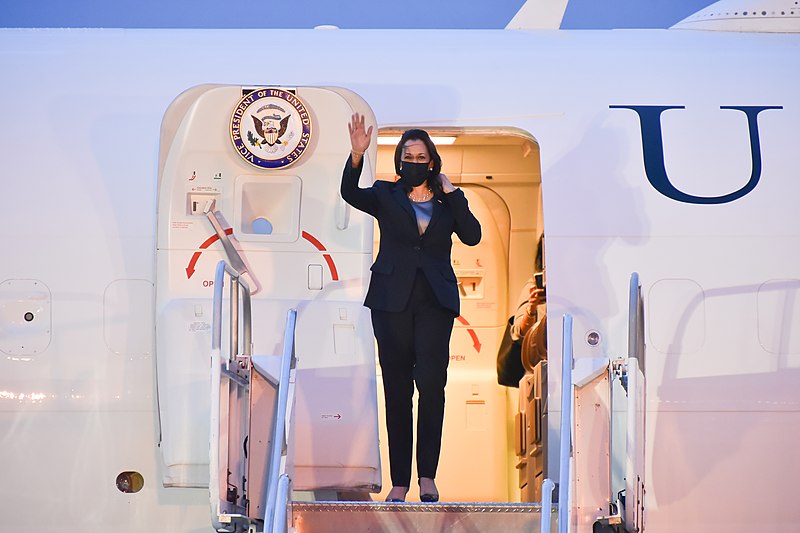
Vice President Kamala Harris wraps up her visit to Southeast Asia this week in her visits to Singapore and Vietnam. Prior to visiting Hanoi, Harris’s trip to the country was delayed out of concerns of a possible incident of the so-called Havana syndrome.
After Harris’s visit to Singapore, her trip to Vietnam was delayed by a few hours, following concerns relayed to her office by the US Embassy in Vietnam of a possible mysterious health incident. The “anomalous” health incident is a term used by the government that refers to the Havana syndrome that has affected US diplomats over the years.
“Earlier this evening, the Vice President’s traveling delegation was delayed from departing Singapore because the Vice President’s office was made aware of a report of a recent possible anomalous health incident in Hanoi, Vietnam. After careful assessment, the decision was made to continue with the Vice President’s trip,” said US Embassy Hanoi spokesperson Rachel Chen.
White House Press Secretary Jen Psaki also assured reporters during the press briefing at the time of Harris’s safety. Psaki was also pressed on whether Harris or her staff were possibly being targeted, and she said that no additional assessments were made during the time. However, Psaki confirmed that the officials that were affected by the mysterious health issue were not traveling with Harris but did not say how many officials suffered from the mysterious condition.
During Harris’s visit to Vietnam, making her the first US Vice President to visit the country, she gave the assurance that the US government will continue to work with its allies to protect the women and children that may get left behind in Afghanistan in light of the recent evacuation efforts being made.
“There’s no question that any of us who are paying attention are concerned about that issue in Afghanistan,” said the vice president regarding the protection of women and children in the war-torn country that has now surrendered to the Taliban.
Harris’s visit also comes as the Biden administration looks to restore ties with Asian countries, especially as tensions remain with China and its rising influence over the region.







