
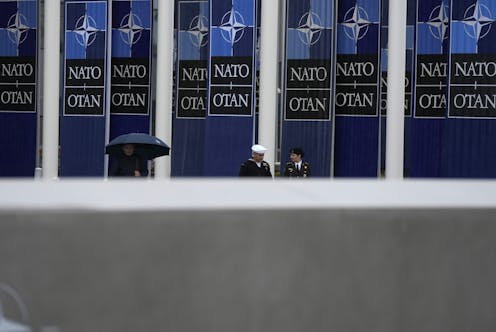
NATO leaders gathered in The Hague on Wednesday for a high-stakes summit aimed at securing U.S. President Donald Trump’s continued support for the alliance. A central outcome is the endorsement of a new defense spending target of 5% of GDP—more than double the previous 2% goal—responding to Trump’s long-standing demand and Europe’s growing concerns about Russian aggression since the 2022 Ukraine invasion.
The proposed target includes 3.5% of GDP for core defense, such as military personnel and weapons, and 1.5% for broader security measures like cyber defense, infrastructure, and energy protection. Although all NATO members agreed in principle, Spain claimed it could meet alliance obligations with significantly less spending—an assertion Dutch Prime Minister and NATO Secretary General Mark Rutte disputed, though he allowed diplomatic flexibility to preserve unity.
Trump, who has previously questioned the U.S. commitment to NATO's Article 5 mutual defense clause, hinted again at ambiguity. Speaking aboard Air Force One, he said he was committed to "life and safety" but stopped short of explicitly backing the clause. Rutte privately praised Trump’s recent Iran strike in a message Trump shared publicly, suggesting European allies will “pay in a BIG way” as part of the deal.
To avoid tensions, the summit agenda is narrowly focused on defense spending. While it will reaffirm support for Ukraine and name Russia as a threat, these issues are downplayed due to Trump’s softer stance on Moscow. Ukrainian President Volodymyr Zelenskiy was invited only to a pre-summit dinner and is seeking U.S. weapons and stronger sanctions on Russia. Meanwhile, the Kremlin accused NATO of using anti-Russian narratives to justify military expansion.
The summit’s tone highlights NATO’s effort to balance unity with Trump’s demands.


