


 Trump Cancels Alabama Football Trip as Hurricane Isaias Approaches
  UK Finance Minister Healey Calls for Fiscal Discipline Amid Global Risks
  Panama Declares Emergency After 7.7 Earthquake Triggers 200 Aftershocks
  Trump Announces Russia-Ukraine Energy Ceasefire as Zelenskiy Awaits Details
  JD Vance Questions Pentagon Plan to Livestream Fort Hood Shooter’s Execution
  Zelenskiy Slams US-Russia Diesel Deal as Funding War
  Trump Sanctions International Criminal Court, Sparking EU Backlash
  Russian Strikes Kill Six in Ukraine, Including Three in Kharkiv
  Zelenskiy Slams US Over Deadly Russian Strikes on Ukraine
  Trump Calls for Zelenskyy Replacement Amid Russian Diesel Deal
  Yandex Data Center Hit by Drone Strike as Russia-Ukraine Cyber Infrastructure Attacks Escalate
  Trump Secures Russian Diesel Deal as US Fuel Prices Surge
  US Charges Maduro and Wife With Torture Conspiracy
  Trump Buys Up to $25M in Meta Stock, Invests in SpaceX Debt
  North Korea Fires Ballistic Missiles as Tensions With South Korea Escalate
  Ripple Chairman Chris Larsen Donates $22.5 Million Ahead of US Midterms


 Add as a preferred source on Google
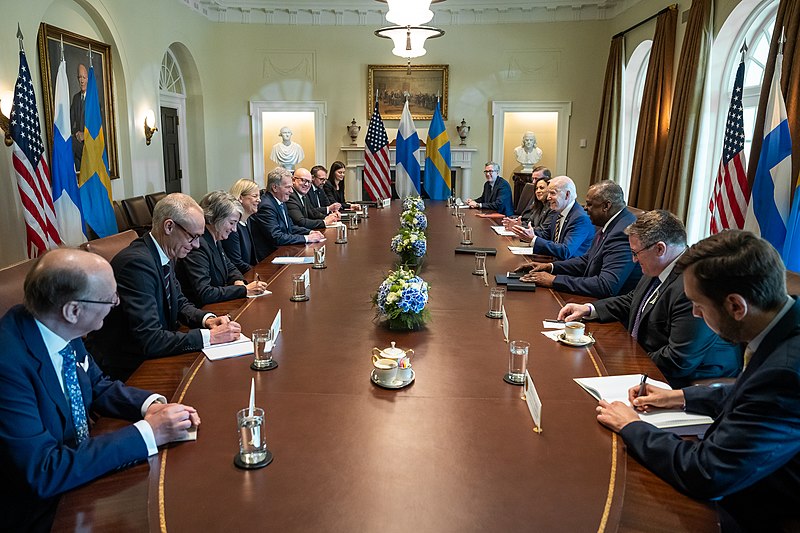
The NATO alliance is set to expand with the addition of Finland and Sweden, which placed membership bids this year. The US Senate Foreign Relations Committee this week voted in favor of Finland and Sweden’s accession to the military alliance.
The US Senate Foreign Relations Committee voted Tuesday to support Finland and Sweden’s accession into the NATO alliance. This would clear the way for a full Senate vote in what is the most significant expansion of the alliance. Both countries made a bid for membership in light of Russia’s invasion of Ukraine.
The 22-member panel approved the accession through a voice vote. Republican Senator Rand Paul asked to be recorded as “present” during the vote.
The NATO accession documents for Finland and Sweden require ratification by the legislatures of all 30 countries under the military alliance.
This would be done before the two countries would receive Article Five protection, the alliance’s defense clause that stipulates that an attack on a NATO member country would mean an attack on all NATO countries.
All 100 members of the Senate are expected to approve the accession documents.
“They are ideal candidates for membership and will strengthen the alliance in countless ways,” said Democratic Senator Bob Menendez, who chairs the committee, ahead of the vote.
“Finland and Sweden will be excellent allies, will strengthen NATO politically and militarily, and will offer the alliance new capabilities, most specifically in the Arctic,” said the committee’s Republican ranking member, Senator Jim Risch.
Ratification by every member country would take up to one year. However, Helsinki and Stockholm can already participate in NATO meetings and will have access to intelligence.
Turkey’s foreign minister Mevlut Cavusoglu said Thursday that officials from Turkey, Sweden, and Finland will be meeting in August to assess the progress made in meeting Ankara’s demands of the two countries when it lifted its veto.
Turkey initially opposed the two countries’ bids to be part of the alliance, citing that the two countries are supporting groups that Ankara deems as terrorists.
In June, the three countries signed an agreement to lift Turkey’s veto by making pledges on counter-terrorism and arms exports.







