


 China Resumes US Soybean Purchases After Trump-Xi Summit
  Kim Jong Un Showcases ICBM Ahead of Possible Trump Meeting
  FBI Denies Report of Kash Patel’s Russia Visit
  China Warns Taiwan Over South China Sea Coast Guard Incident
  US Supreme Court Denies Release of Anti-ICE Activist Kyle Wagner
  Zelenskiy Says Ukraine Received No Warning Before Russian Missile Attack
  Trump Announces Massive Oil and Mineral Exploration Plans in Greenland
  IMF Warns US Debt Crisis Needs Fiscal Action, Urges China to Boost Consumption
  Netanyahu Rejects Preemptive Iran Strike Ahead of Israel Election
  Jordan Bardella Antisemitism Allegations Threaten Le Pen’s Campaign
  Most Americans Oppose Election Betting on Prediction Markets, Poll Finds
  Flavio Bolsonaro Backs Brazil’s 40-Hour Workweek Reform Ahead of Runoff
  Trump Denies China, Russia Are Helping Iran in War
  Zelenskiy Seeks New US Talks to Revive Ukraine-Russia Peace Negotiations
  Trump Confirms US Intelligence Sharing With Ukraine Amid Russian Strikes
  Container Ship Sinks in Strait of Hormuz as Iran Attacks Escalate
  MI5 Warns of Rising Iran, Russia Threats and AI Bioweapon Risks


 Add as a preferred source on Google
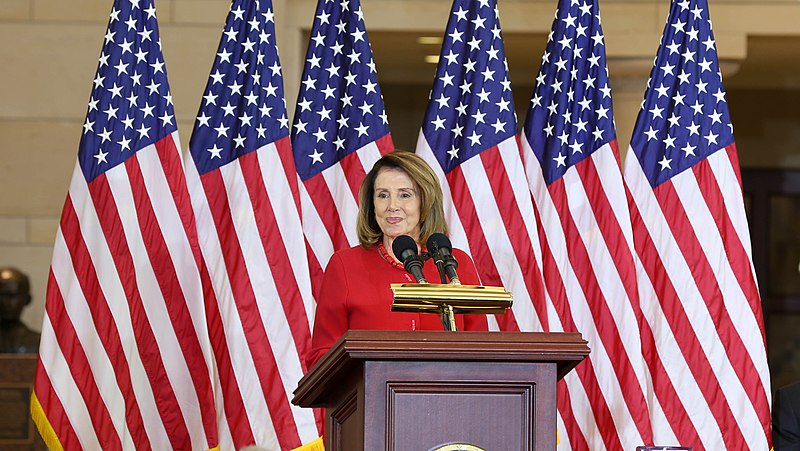
House Speaker Nancy Pelosi has announced that there would be a select committee to investigate the events of January 6. Amidst speculation as to which Republicans would be serving in the committee, Georgia congresswoman and conspiracy theorist Marjorie Taylor Greene has expressed interest in participating.
Speaking with CNN over the weekend, Greene said she would like to join Pelosi’s committee to investigate the insurrection. With the GOP congresswoman expressing interest, it would likely frustrate lawmakers who are determined to look into the events of the riots that left five people dead and over 100 Capitol Police officers injured. Greene was also known to be peddling conspiracies from other conservatives that groups like the BLM or Antifa or even the FBI actually started the insurrection.
Greene did not provide any evidence to back up her claims, especially after being pressed on the false flag theory that is currently being promoted by right-wing sites and news outlets like Fox News. The theory alleges that the FBI staged the entire insurrection. Greene instead said that there are questions that need to be answered in an attempt to deflect the responsibility of the riots onto supporters of former President Donald Trump.
Greene added that she was willing to accept that the FBI was not involved in the insurrection provided that the agency shows evidence of their lack of involvement.
This follows Pelosi’s announcement last week that she would create a select committee to investigate the riots following the obstruction coming from Senate Republicans. The select committee will put together the various House Democratic investigations into the events in a single effort.
Previously, Pelosi also said last week that the House would not take up the bipartisan infrastructure bill unless a bigger infrastructure package passes the Senate through reconciliation. The move would bypass any Republican obstruction. Pelosi’s comments follow news that a bipartisan agreement was reached between Republican and Democratic Senators regarding the infrastructure proposal.
“Let me be really clear on this: We will not take up a bill in the House until the Senate passes the bipartisan bill and a reconciliation bill. If there is no bipartisan bill, then we’ll just go when the Senate passes a reconciliation bill,” said the House Speaker in the weekly press conference.







