


 Nvidia China Chip Sales Report Sends Chinese Semiconductor Stocks Lower
  Australia Budget Deficit Narrows to A$22.3 Billion on Stronger Tax Revenue
  Yen in Focus as BOJ, Fed Rate Hikes Reshape Currency Markets
  BOJ Flags Import Costs and Yen Shocks as Persistent Inflation Risks
  RBA Set for September Rate Hike as Inflation Stays High
  Oil Prices Slide as Middle East Flows Recover
  US Dollar Hits Two-Month High as Aussie, Pound Slide
  Asian Chip Stocks Tumble as OpenAI Safety Pause Sparks AI Growth Concerns
  BOJ Set for 25-Basis-Point Rate Hike as Yen Weakness Fuels Inflation
  China, US Extend Trade Truce Through January 10 After Trump-Xi Summit
  Japanese Yen Retreats as Dollar Rises Ahead of Fed, BOJ Rate Decisions
  Gold Plunges 4% as Treasury Yields Surge and Fed Rate Hike Bets Rise
  South Korea Exports Set for 16th Monthly Gain on AI Chip Demand


 Add as a preferred source on Google
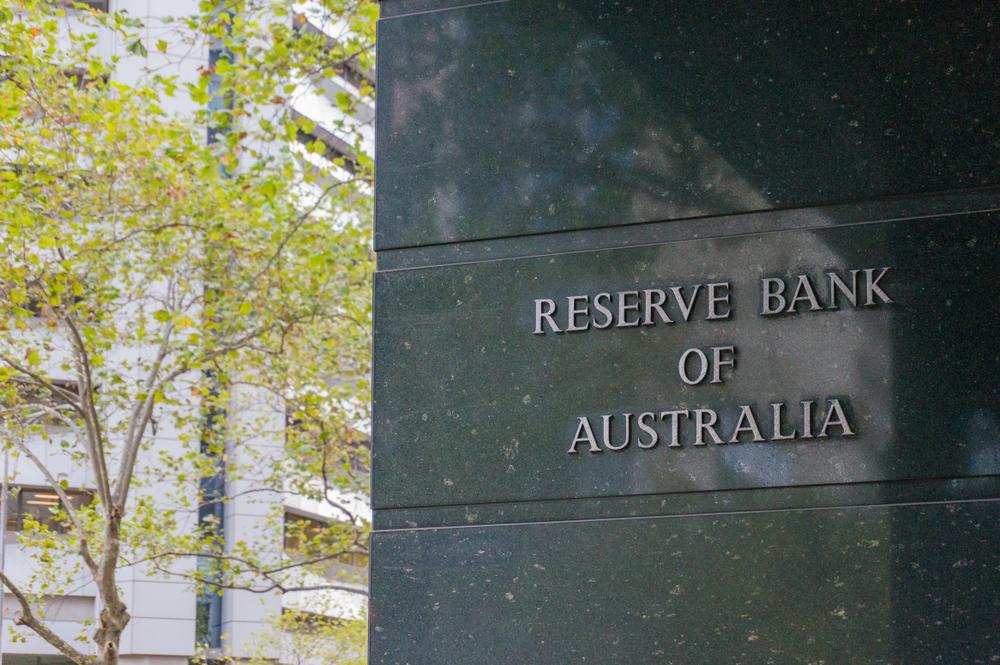
Australia’s monetary policy is facing a unique challenge as the economy continues to recover with demand still exceeding potential output, leaving little room for the Reserve Bank of Australia (RBA) to loosen policy further. In a speech at a UBS conference in Sydney, RBA Deputy Governor Andrew Hauser said that demand was “slightly above potential output” when GDP growth began to accelerate last year — marking the tightest recovery since the early 1980s. This situation, he noted, limits how much the economy can expand without fueling inflation.
Hauser emphasized that while strong demand signals robust business activity and job creation, it also complicates policy decisions. “That can still be consistent with bringing inflation back to target over the medium term,” he said. “But achieving that goal will require policy to be restrictive enough to keep shrinking the gap over that period.” The RBA maintained its cash rate at 3.6% last week amid rising inflation, resilient consumer spending, and a rebounding housing market, prompting policymakers to pause further easing after three consecutive cuts earlier this year.
The central bank now expects inflation to remain above its 2–3% target until at least mid-2026, citing persistent capacity constraints in the economy. Economists from Commonwealth Bank of Australia and HSBC have urged the RBA to end its current easing cycle, while financial markets anticipate only one more rate cut by mid-next year. Hauser also stressed the need to boost productivity and investment to expand supply and avoid inflationary pressures. “If we fail to do so, we may find ourselves boxed in on the rail. If we succeed, we could be off to the races,” he concluded.







