


 Gold Rebounds as Oil Falls and Treasury Rout Eases
  RBA Says ASX Still Falls Short on Governance and Risk Controls
  Canada Unveils Bill to Fast-Track Major Resource Projects
  IRS Warns Crypto ETFs Over Tax Loophole Risks
  U.S. Stock Futures Steady as AI, Rate Concerns Weigh
  China Cuts Tariffs on U.S. Farm Goods but Excludes Soybeans
  Crypto Lobbying Hits $13M as Clarity Act Stalls
  Dollar Eases Near Two-Month High as Yen Rebounds
  Trump Administration Plans Faster FDA Reviews for Smoke-Free Nicotine Products
  Fed’s Hammack Says Bond Yield Surge Is Not Driven by Inflation Fears
  California Bans Memecoins Issued by Public Officials Under New Law
  US Backs Musk in Fight Against EU’s €120 Million X Fine
  Australia Trade Surplus Shrinks Sharply as Imports Surge
  OpenAI, Anthropic CEOs Summoned to Australia AI Inquiry
  Congress Expands Prediction Market Insider Trading Probe
  HUTCHMED, AstraZeneca Seek FDA Approval for Lung Cancer Combo


 Add as a preferred source on Google
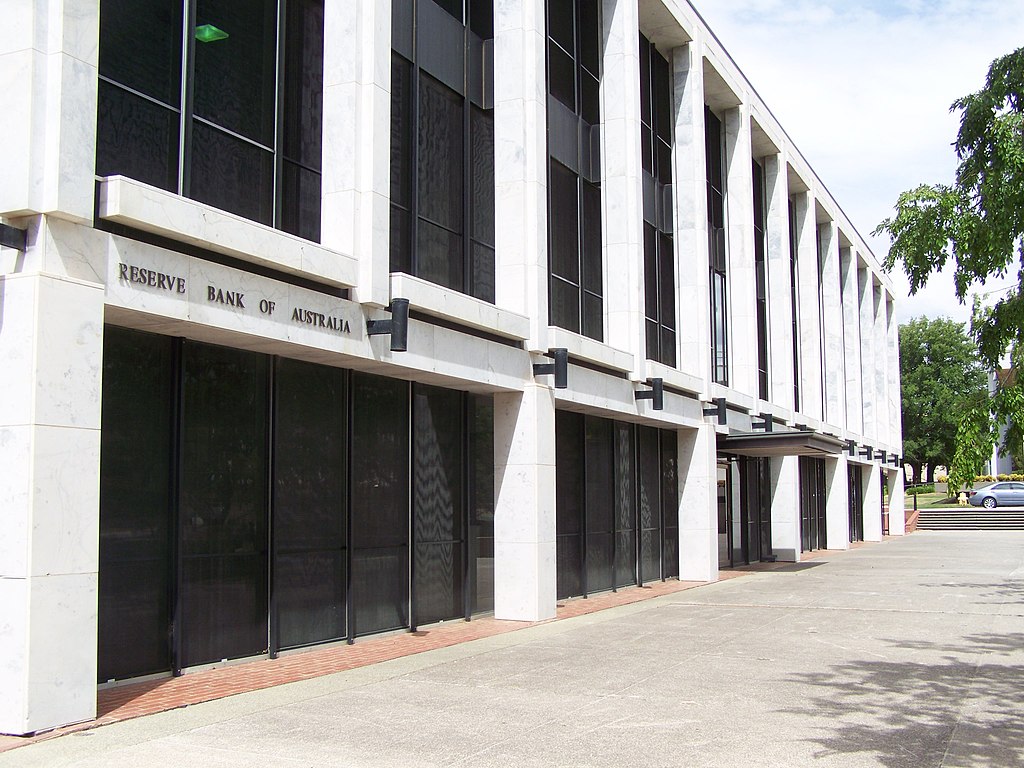
The Reserve Bank of Australia (RBA) signaled no commitment to additional rate cuts following its 25 basis point reduction in February, according to meeting minutes released Tuesday. Policymakers remain cautious about inflation risks despite signs of economic slowdown and a softer labor market.
The RBA lowered its benchmark cash rate to 4.10%—the first cut in five years—citing weaker GDP growth and a cooling job market. However, officials emphasized that further easing would be data-driven, with inflation trends being the key determinant. The central bank remains focused on bringing inflation within its 2%–3% target range.
“Members agreed that their decision at this meeting did not commit them to further reductions,” the minutes stated. While policymakers expressed confidence in balancing inflation control and labor market stability with lower rates, they acknowledged uncertainties remain.
Inflation had peaked at 30-year highs in 2023 before declining sharply, showing some progress. Still, the RBA remains cautious, wary that premature easing could reignite price pressures.
February’s cut came amid near-stagnant GDP growth and slower employment gains, raising concerns about the impact of prolonged high rates. Despite these worries, the RBA continues to assess downside economic risks while ensuring inflation remains under control.







