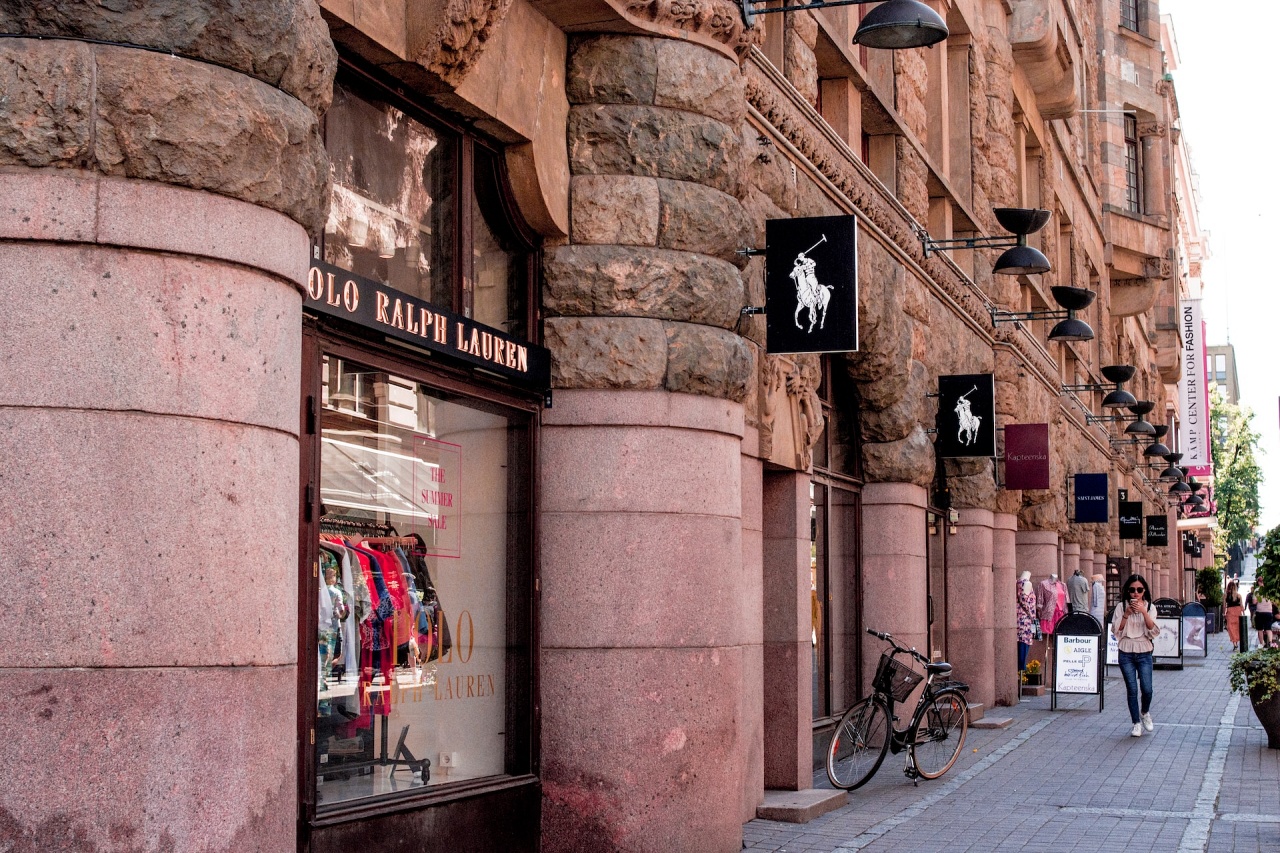
Polo Ralph Lauren and Tommy Hilfiger have reportedly blocked the IP addresses of their Korean customers to stop them from visiting their home web page. The fashion brands are said to have made the move to make Koreans buy goods from local outlets instead.
So far, only Ralph Lauren and Tommy Hilfiger have removed the access of Korean customers to their home IP addresses at this time. Officials in the fashion industry confirmed the ban on Wednesday, Aug. 9.
The Korea Times reported that many shoppers tend to buy directly from the brand's country of origin because the prices are lower, but for sellers of the items in different regions, this is disadvantageous for their business. This is because they will lose local buyers and yield little to no sales.
Thus, it is understandable why this practice of buying directly from the companies that made the products has become a problem for international fashion companies that are selling items on their Korea-based websites.
In any case, local shoppers found out that they were blocked from the websites of Ralph Lauren and Tommy Hilfiger when they are always being redirected back to Korean websites that are selling the brands' fashion products. Every time people try to visit the North American online stores of the brands, they are automatically brought to Korean-language stores.
One customer shared, "I used the American website to buy Ralph Lauren items during Black Fridays before. But now I get redirected to a Korean website whenever I try to connect to U.S. one. It's a shame that a global company like Ralph Lauren blocked local IPs."
Local customers said the situation is the same when they visit Tommy Hilfiger's U.S. website. They are being redirected to the label's website in Korea, which Handsome.com operates.
Finally, Hankyung News reported that the brands barred the Korean IPs so local customers would stick to buying products in their region. "It is at the discretion of the company to have different sales strategies for each country, but blocking access to the website itself can be seen as an act of limiting consumer choice," an official in the fashion sector said.
Photo by: Hayffield L/Unsplash