


 California Bans Memecoins Issued by Public Officials Under New Law
  Bitcoin Slides Below $84K as Trump Signals Possible New Iran Strikes
  Republicans Flood Safe House Races With Cash as Midterm Risks Rise
  China Agrees to Buy 20 Million Tons of U.S. Coal
  Germany Political Risks Rise as Merz Faces Coalition Pressure
  Evan Gershkovich Says FSB Set Trap for 2023 Russia Arrest
  Russian Bomb Strike on Kharkiv Injures 22, Including Children
  Iran Rejects Nuclear Concessions in Hormuz Deal
  Taiwan Says U.S. Arms Sales Protect Chip Supply
  South Africa Seeks US Talks Despite Visa Restrictions
  Iran Holds Firm on Hormuz Reopening Terms Despite Trump Rejection
  Swiss Voters Reject Stricter Neutrality Rules in Referendum
  OpenAI, Anthropic CEOs Summoned to Australia AI Inquiry
  China Cuts Tariffs on U.S. Farm Goods but Excludes Soybeans
  South Korea Demands Ukraine Apology Over North Korean POW Disclosure
  UK PM Burnham to Unveil Economic Vision at Labour Conference


 Add as a preferred source on Google
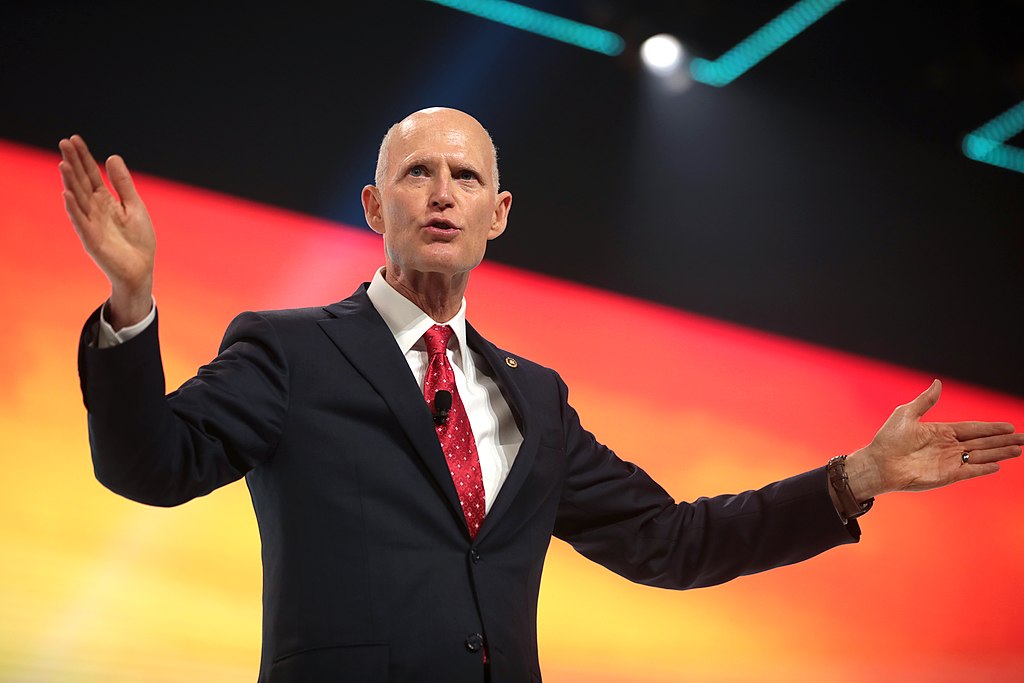
Senator Rick Scott of Florida has lost his bid for Senate Majority Leader following the first round of voting. The outcome now propels South Dakota’s John Thune and Texas’ John Cornyn as the leading contenders to take over the influential position, marking a potential shift in GOP leadership dynamics within the Senate.
The first-ballot loss for Scott, who had campaigned on a platform of fiscal conservatism and aggressive policy stances, underscores the internal divisions within the Republican Senate caucus. Scott’s defeat highlights the ongoing debate within the GOP regarding the party’s direction and strategy moving forward, especially after a midterm cycle that fell short of the “red wave” many Republicans had anticipated. Thune and Cornyn, both seasoned lawmakers with strong support bases, are now left to compete for the top leadership spot, and their contrasting styles offer Republicans distinct paths as they prepare for the upcoming legislative session.
The Loss for Scott
Rick Scott entered the race with significant momentum, positioning himself as a challenger to the status quo and aiming to shift the GOP toward a more hardline stance on spending and government oversight. His leadership of the National Republican Senatorial Committee had put him in the spotlight throughout the 2022 election cycle, though the mixed results of that cycle have led to criticism of his strategic choices. Scott had framed his bid for Majority Leader as a referendum on a new direction for Senate Republicans, but his loss on the first ballot reveals that his message did not resonate strongly enough within the GOP caucus to secure the necessary support.
According to insiders, Scott’s approach, though appealing to some within the party, lacked the broad appeal needed to build a winning coalition. His critics argue that his leadership style is too combative, which might have contributed to his quick elimination from the race.
Thune and Cornyn Advance
With Scott out, John Thune and John Cornyn emerge as the final two candidates, each offering the GOP distinct but experienced approaches to leadership. Thune, currently the Senate Minority Whip, has built a reputation as a pragmatic and steady hand within Republican ranks. Known for his calm demeanor and consensus-building capabilities, Thune is viewed as a stabilizing force, particularly as Republicans seek to balance traditional conservative values with emerging populist elements in the party.
John Cornyn, a senior senator from Texas, brings a different style to the table. A former Senate Majority Whip and well-versed in GOP strategy, Cornyn is seen as a politically astute candidate with the experience necessary to take on Democrats in a divided Senate. His supporters believe that Cornyn’s ability to negotiate effectively with the opposition while pushing conservative policies could be essential in the upcoming term.
A Pivotal Moment for GOP Leadership
As Senate Republicans decide between Thune and Cornyn, the outcome will likely shape the party’s legislative priorities and strategy heading into a crucial period. With the GOP holding a narrow Senate advantage, the new Majority Leader will face the immediate challenge of navigating high-stakes issues, including budget negotiations, immigration reform, and oversight of the Biden administration.
Political analysts suggest that Thune’s steady, less confrontational style might appeal to Republicans eager to stabilize their approach in the Senate, while Cornyn’s tenacity could invigorate the GOP’s efforts to advance a more assertive agenda.
As Republicans move forward in choosing between Thune and Cornyn, the results of the Senate Majority Leader race serve as a reminder of the party’s evolving dynamics and the crucial decisions that lie ahead.







