


 Ripple Chairman Chris Larsen Donates $22.5 Million Ahead of US Midterms
  Trump Announces Russia-Ukraine Energy Ceasefire Amid U.S. Pressure on Kyiv
  UK Finance Minister Healey Calls for Fiscal Discipline Amid Global Risks
  Zelenskiy Offers Russia Energy Truce Amid Trump Pressure
  Trump Cancels Alabama Football Trip as Hurricane Isaias Approaches
  North Korea Fires Ballistic Missiles as Tensions With South Korea Escalate
  US, EU Push for Action Against Asia’s Excess Factory Capacity
  Russian Strikes Kill Six in Ukraine, Including Three in Kharkiv
  Trump Calls for Zelenskyy Replacement Amid Russian Diesel Deal
  Flydubai Co-Pilot Planned Suicide Attack on Israel Airport, UAE Says
  Houthis Warn Saudi Airports After Deadly Riyadh Attack
  Pakistan Declares Emergency in Khyber Pakhtunkhwa, Suspends Imran Khan’s PTI Government
  Yandex Data Center Hit by Drone Strike as Russia-Ukraine Cyber Infrastructure Attacks Escalate
  Trump Sanctions International Criminal Court, Sparking EU Backlash
  US Judge Blocks Trump Administration’s Taxpayer-Funded Political Ads
  JD Vance Questions Pentagon Plan to Livestream Fort Hood Shooter’s Execution


 Add as a preferred source on Google
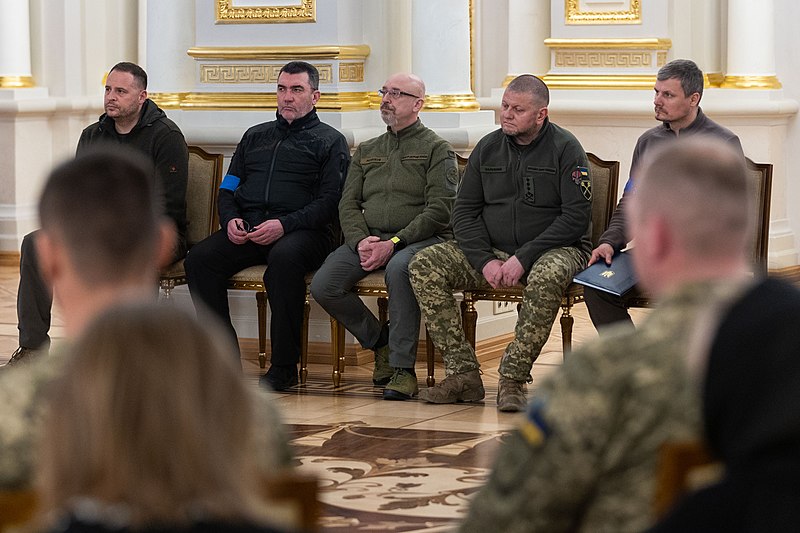
The West and many other countries are answering Ukraine’s calls for more weapons and ammunition to help fight Russia for its unprovoked invasion. Ukraine’s defense minister reported over the weekend that the country has received Harpoon missiles and howitzers.
Ukrainian defense minister Oleksiy Reznikov said Saturday that Ukraine has begun receiving Harpoon anti-ship missiles from Denmark and self-propelled howitzers from the United States, adding that the new arms that were acquired would help Ukrainian forces resist Russia’s invasion.
“The coastal defense of our country will not only be strengthened by Harpoon missiles – they will be used by trained Ukrainian teams,” said Reznikov in a post shared on Facebook.
Reznikov said the Harpoon shore-to-ship missiles would be used alongside the Ukrainian Neptune missiles in its defense of the country’s coast including the port region of Odesa in the south. Reznikov also said the supplies of Harpoon missiles came from the cooperation of several countries, and the deliveries coming from Denmark were made “with the participation of our British friends.”
Ukraine’s defense chief also said the country has also received a range of heavy artillery, including US-made M109 self-propelled howitzers that will enable the Ukrainian military to strike targets from longer distances.
Following its invasion of Ukraine, Russia has also imposed a naval blockade of Ukrainian ports, blocking exports of Ukrainian grain. Moscow also used its Black Sea fleet to launch missile attacks on Ukraine, which has begun receiving aid from the West.
The incoming arms to Ukraine follow reports last month that members of the US military were training Ukrainian troops to use howitzer artillery and that the training was taking place outside Ukraine.
Top officials of the European Union met Monday for another attempt to come to an agreement on imposing sanctions on Russian oil before their leaders meet later in an effort to maintain a united front over the region’s response to the war.
In a new draft of summit conclusions, the bloc’s 27 leaders must agree that the next round of sanctions on Russia would target oil with a temporary exemption of crude that is delivered by pipeline, which ambassadors failed to come to an agreement on over the weekend.







