


 US Conducts Non-Nuclear Explosion Test to Boost Nuclear Detection
  Marco Rubio to Visit Iceland, Greece and Portugal
  US Alcohol Ban Exposes Canada’s Internal Trade Barriers
  US Appeals Court Keeps Trump IRS Case Sanctions in Place
  Netanyahu Vows Probe Into Foiled Flydubai Crash Attempt
  Tsai Ing-wen to Visit US for Stanford Security Conference
  TSA Removes Chairs for Airport ID Check Officers
  Flydubai Co-Pilot Tried to Crash Israel-Bound Jet, Netanyahu Says
  Putin Says Western Firms Could Regain Russian Assets
  Israeli Settler Attack in West Bank Kills Palestinian
  Russia Warns NATO of Nuclear Response Over Kaliningrad
  Trump Demands Powell Resign Over Fed Renovation Cost Overruns
  South Korea Warns Ukraine Over North Korean POW Dispute
  Netanyahu Says Israel May Join Flydubai Crash Attempt Probe
  Trump Says He Raised Political Prisoners With Xi
  TRUMP Memecoin Launches New Dinner Contest


 Add as a preferred source on Google
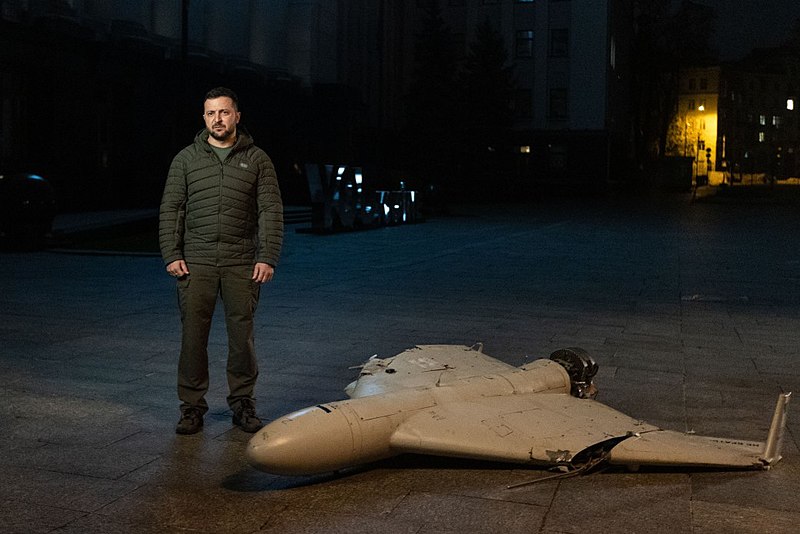
Ukrainian President Volodymyr Zelenskyy called on the international community to take more action to protect the grain corridor. This follows Russia’s sudden suspension of its involvement in the deal brokered by the United Nations and Turkey.
In his nightly address Tuesday, Zelenskyy said the grain corridor needed “long-term and reliable defense” as ships continue to sail out of Ukraine’s ports due to the deal that allowed ships safe passage. Russian leader Vladimir Putin earlier told Turkish President Tayyip Erdogan at the time that Moscow would reconsider joining the deal that is subject to security guarantees from Kyiv.
Russia withdrew its involvement Saturday after it accused Ukraine of carrying out a “terrorist” attack on Russian ships in the Black Sea with some involvement from the United Kingdom. Kyiv has not commented on the allegations, while London dismissed the accusations as an invented story. Moscow sought to retaliate by bombarding cities across Ukraine with missiles, including Kyiv.
“Russia must clearly be made aware that it will receive a tough response from the world to any steps to disrupt our food exports,” said Zelenskyy in his address. “At issue here clearly are the lives of tens of millions of people.”
Zelenskyy spoke with French President Emmanuel Macron on the same day, with Macron condemning Russia’s decision to withdraw from the deal, saying that this “harms global food security.”
Ukrainian infrastructure minister Oleksandr Kubrakov said eight loaded ships are set to travel through the grain corridor on Thursday.
By Wednesday, Russia’s defense ministry said it has now received guarantees from Ukraine and would rejoin the deal. This follows Erdogan’s comments saying that the Turkish defense minister spoke with Russian defense minister Sergei Shoigu and that the grain deal would continue operations on the same day. Erdogan told the Turkish parliament that the grain shipments would continue.
Ukraine is a key exporter of grain, and the deal has given relief to the global food crisis caused by Russia’s invasion.
The Kremlin has criticized the deal, saying that the shipments were mostly arriving in Europe rather than low-income countries where grain is needed the most. Ukrainian officials have denied Russia’s claims and a monitoring group also refuted Moscow’s allegations with data as part of the agreement.







