


 Novo Nordisk Raises 2025 Outlook Despite Wegovy Pill Miss and CagriSema Setback
  Hims & Hers Shares Fall as GLP-1 Costs Widen Q2 Loss
  NASA's Artemis II Crew Arrives in Florida for Historic Moon Mission
  FDA Pilot Program Eases Rules for Nicotine Pouch Makers
  Hanmi Pharm Soars 30% on $2.3 Billion Genentech Obesity Drug Deal
  SpaceX Delays Starship V3 Launch Ahead of Potential Record IPO
  SpaceX Pivots Toward Moon City as Musk Reframes Long-Term Space Vision
  GSK Unveils $2.52 Billion Cost-Cutting Plan to Accelerate Drug Pipeline
  Neuralink Plans High-Volume Brain Implant Production and Fully Automated Surgery by 2026
  Trump Signs Order to Cut Routine Childhood Vaccines
  Trump and Merck KGaA Partner to Slash IVF Drug Costs and Expand Fertility Coverage
  Novartis M&A Strategy Faces Investor Scrutiny After Drug Setbacks
  SK Biopharmaceuticals Secures Global Rights to Biohaven Epilepsy Drug Opakalim


 Add as a preferred source on Google
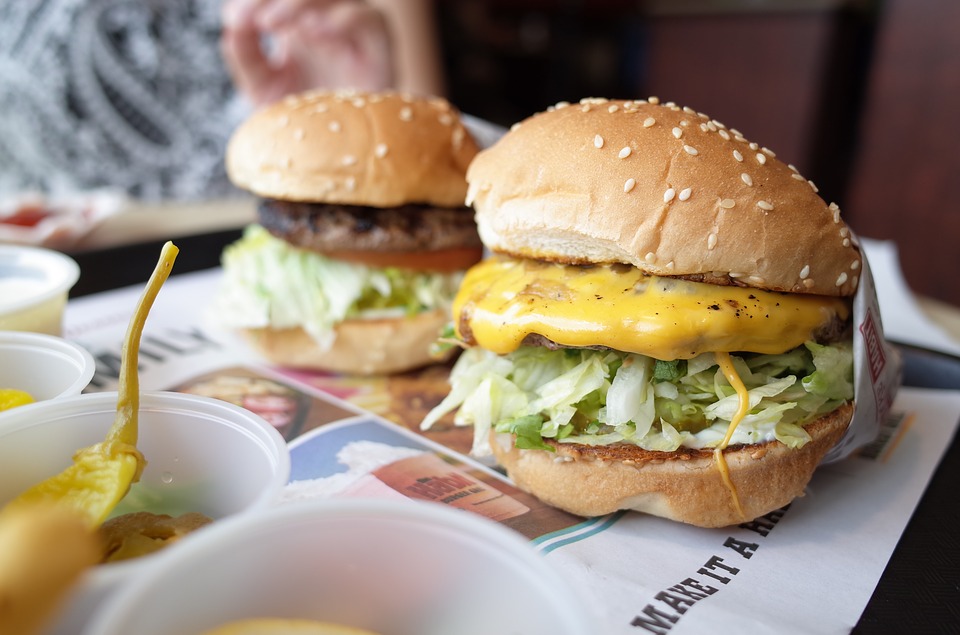
The alarming rate of obesity and weight gain in industrialized nations is one of the most concerning health issues plaguing developed countries today. Scientists might have just come much closer to finally ending this epidemic by preventing mice from gaining weight even with a steady diet of high-fat food. Could these findings lead to effortless weight loss?
Published on eLife, the study described how scientists from Washington University School of Medicine basically activated certain pathways in fat cells, which essentially allowed the mice to go on a high-fat diet without becoming obese. This could lead to some huge leaps in treating all the other diseases that are associated with weight gain, including type-2 diabetes.
“Here by inducing expression of constitutively active Smoothened (SmoM2) or Gli2 (ΔNGli2) in the adipocyte lineage of postnatal mice, we show that targeted activation of Hh signaling suppresses high-fat-diet-induced obesity and improves whole-body glucose tolerance and insulin sensitivity,” the study reads.
As senior investigator Fanxin Long, Ph.D. put it, these findings could lead to new ways to treat the growing obesity epidemic afflicting populations even in developing countries. It also makes preventing weight gain easier because it targets the root cause of the issue.
"This could lead us to a new therapeutic target for treating obesity," Long said. "What's particularly important is that the animals in our study ate a high-fat diet but didn't gain weight, and in people, too much fat in the diet is a common cause of obesity."
On that note, translating the results of this study to apply to humans might not be that easy, MedicalXpress reports. The test subjects and people don’t exactly have the same metabolism and the methods used to activate the pathways in fat cells to stop them from growing might cause unknown side-effects. It might even cause cancer if the application is not done properly.







