


 US Tightens Cuba Sanctions, Targets Officials and State Entities
  Japan, U.S. Stay Aligned on Yen as Currency Surges
  Xi, Putin Reaffirm Ties With North Korea on Founding Anniversary
  Australia Plans New Rules Giving Users Control Over Social Media Feeds
  China to Inject $45 Billion Into State Financial Institutions
  Trump Hails AfD Election Win, Blames Germany Immigration Rules
  Asian Stocks Mixed as AI Chip Rally Meets Oil Surge
  FDA Names Permanent Drug and Biologics Center Chiefs
  Merz Rejects AfD Alliance After Saxony-Anhalt Surge
  Bolivia Military Barracks Explosion Kills Nine
  Japan GDP Growth Beats Forecast, Boosting BOJ Rate Hike Bets
  SEC Proposes ‘Regulation Crypto Assets’ Framework for Crypto Fundraising
  Flavio Bolsonaro Rallies Brazil Opposition Ahead of Election
  Trump’s ‘New America’ Proposal Draws Backlash in New Mexico
  Brent Oil Tops $100 as Middle East Conflict Threatens Supply
  US Bans Canadian Alcohol, Motorcycles as Trade War Escalates
  Brazil Warns EU of Retaliation Over Animal Products Ban


 Add as a preferred source on Google
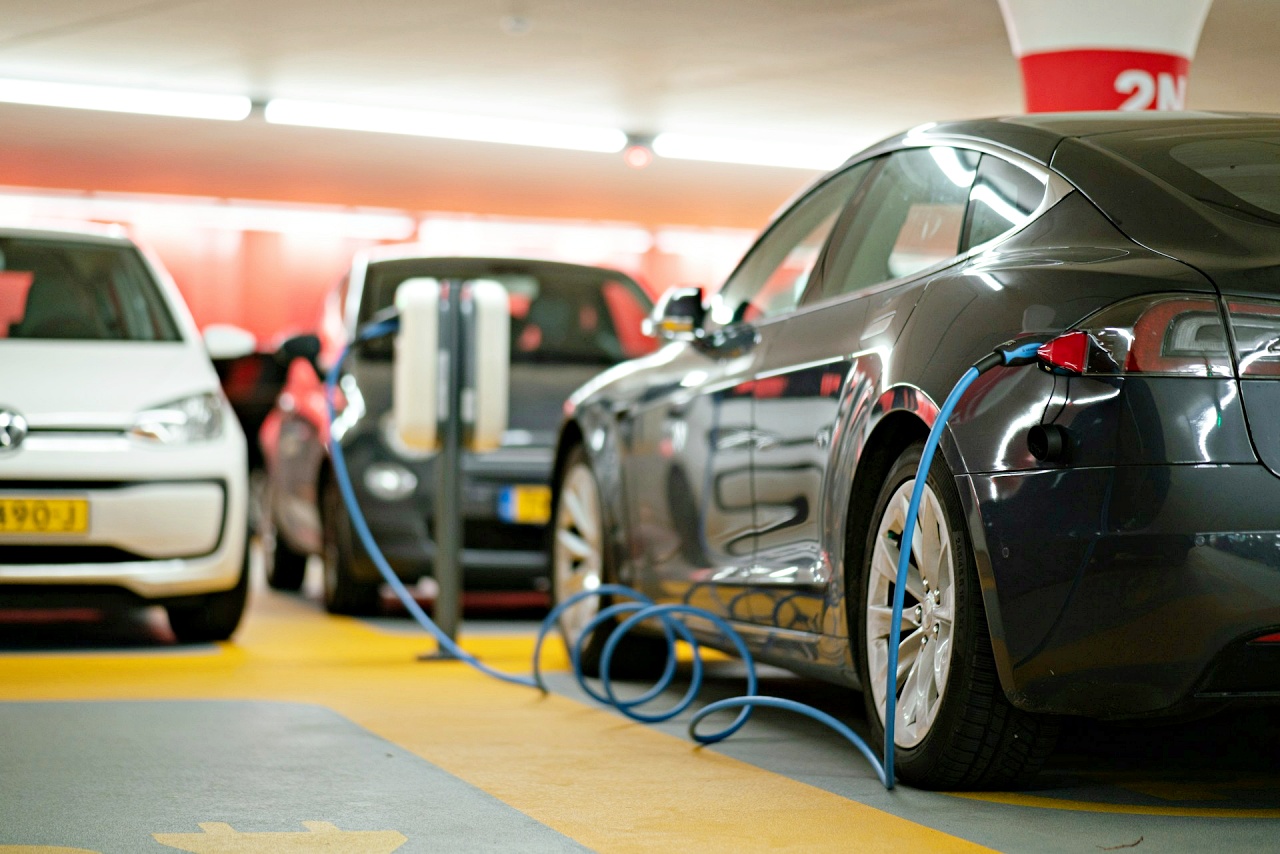
Senate Republicans unveiled a revised tax and budget proposal late Friday that would eliminate key electric vehicle (EV) tax incentives. The new plan calls for ending the $7,500 federal tax credit for new EV purchases and leases on September 30, along with the $4,000 credit for used EVs.
This marks a significant shift from the previous version of the bill, which proposed a 180-day phase-out for credits after the legislation became law. Under the revised plan, tax credits for leased EVs that are not assembled in North America or that fail to meet specific sourcing requirements would be terminated immediately.
The move underscores a broader Republican pushback against the Biden administration’s pro-EV agenda, which aimed to accelerate electric vehicle adoption and reduce carbon emissions through federal incentives. Republicans argue the current subsidies favor higher-income buyers and distort the auto market, while critics say removing the credits could stall progress toward cleaner transportation and impact domestic EV manufacturing.
If enacted, the rollback could have sweeping implications for automakers and consumers alike. Many carmakers, including Tesla, Ford, and GM, have relied on the tax incentives to boost EV sales, while consumers have used the credits to make EV ownership more affordable amid rising vehicle costs.
The proposed legislation is part of a wider GOP strategy to scale back federal spending on clean energy and shift policy focus away from climate-driven investments. Environmental groups and industry stakeholders are expected to challenge the bill, citing its potential to slow down the EV market and hinder U.S. efforts to combat climate change.
With a deadline set for September 30, the debate over EV tax credits is likely to intensify as lawmakers face mounting pressure from both environmental advocates and the auto industry.







