


 Trump Announces Russia-Ukraine Energy Ceasefire as Zelenskiy Awaits Details
  Zelenskiy Slams US Over Deadly Russian Strikes on Ukraine
  Ripple Chairman Chris Larsen Donates $22.5 Million Ahead of US Midterms
  Panama Declares Emergency After 7.7 Earthquake Triggers 200 Aftershocks
  Mahmoud Abbas Postpones Palestinian Elections to September 2027
  UK Finance Minister Healey Calls for Fiscal Discipline Amid Global Risks
  US, EU Push for Action Against Asia’s Excess Factory Capacity
  Flydubai Co-Pilot Planned Suicide Attack on Israel Airport, UAE Says
  Brazil Election: Lula and Bolsonaro Rally Ahead of October 25 Runoff
  Pakistan Declares Emergency in Khyber Pakhtunkhwa, Suspends Imran Khan’s PTI Government
  JD Vance Questions Pentagon Plan to Livestream Fort Hood Shooter’s Execution
  Flavio Bolsonaro Leads Lula 49%-45% in Brazil Runoff Poll
  North Korea Fires Ballistic Missiles as Tensions With South Korea Escalate
  Trump Sanctions International Criminal Court, Sparking EU Backlash
  Zelenskiy Slams US-Russia Diesel Deal as Funding War
  Trump Secures Russian Diesel Deal as US Fuel Prices Surge
  Trump Calls for Zelenskyy Replacement Amid Russian Diesel Deal


 Add as a preferred source on Google
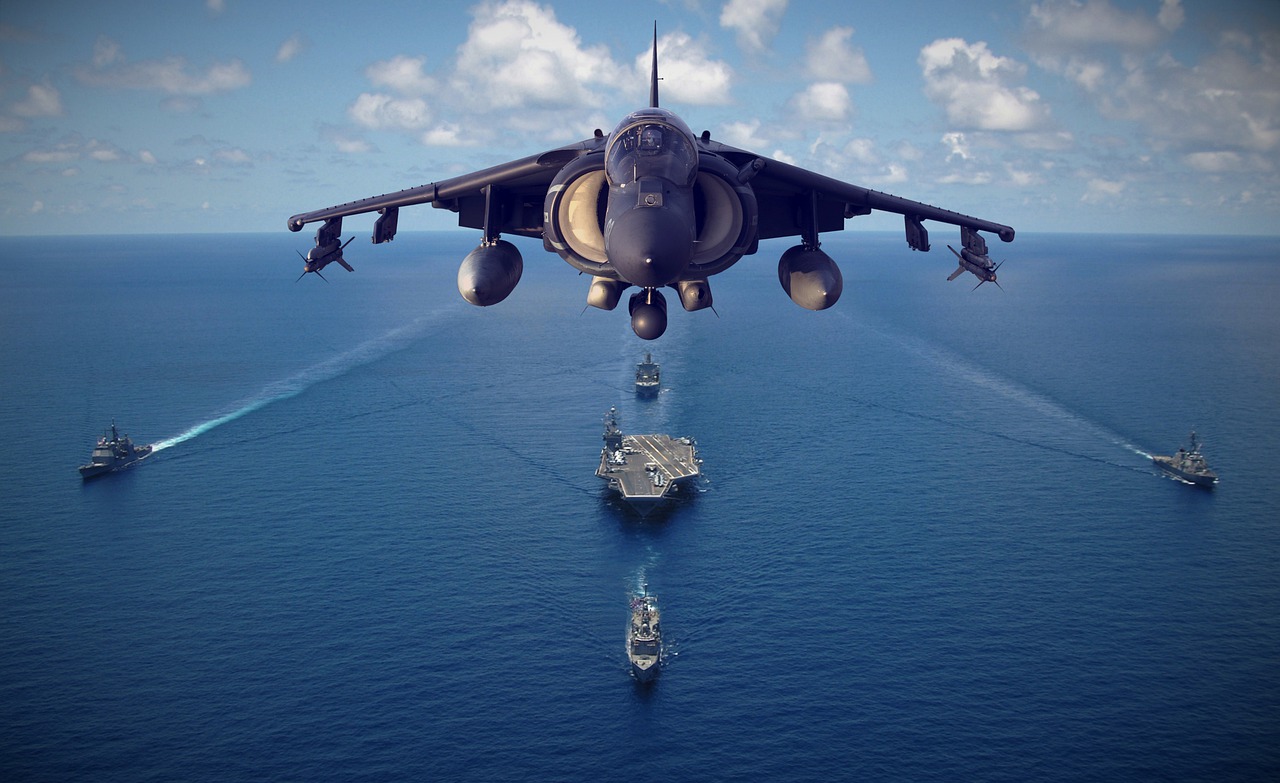
Tensions are rising between nations over the South China Sea as China takes increasingly bolder actions to assert control over the region. Satellite images have revealed that a Chinese ship was seen following the UK carrier groups in the disputed waters.
Satellite photos have shown Beijing increasingly trying to assert its control over the South China Sea, as a Chinese ship was seen following the UK’s HMS Queen Elizabeth and a UK carrier strike group into the waters. This recent move comes months after China threatened to expel any ships that sail too close on the islands it claims to have control over. The HMS Queen Elizabeth has been expected to sail through the South China Sea in a round-the-world tour as part of its maiden voyage.
The UK Carrier Strike Group 21, on the other hand, entered the region through the Bashi channel Monday. Both the carrier group and the HMS Queen Elizabeth took part in joint navy exercises with several countries.
Chinese state-owned media outlet Global Times has previously said that they will carry out their own naval exercises at the same time as the UK and other countries. The warning to the UK also follows an incident where China expelled a US ship, claiming that it illegally entered the waters it controls in the region. The US at the time responded that they were exercising their freedom of navigation rights around the Paracel Islands and that the Chinese military’s claims were false.
China’s claims of sovereignty over almost the entire South China Sea have since angered the surrounding countries, and an international ruling rejected the sweeping claims, citing that there is no basis under international law. China’s sweeping claims also overlap with those of the surrounding countries including Taiwan.
The US and a few other western countries have shown support towards other countries, especially Taiwan, the island nation that China also claims to have sovereignty over. Australia is one of the nations that has shown support towards Taiwan, and China has since threatened Australia with conflict. However, it appears that China now needs the help of Australia as Beijing has been suffering from power shortages, resulting in asking other countries to import coal.
This comes as Chinese President Xi Jinping made a new energy restriction in an effort to reduce carbon emissions. Paired with the weather and skyrocketing demand for Chinese goods, the country faces an energy crisis.







