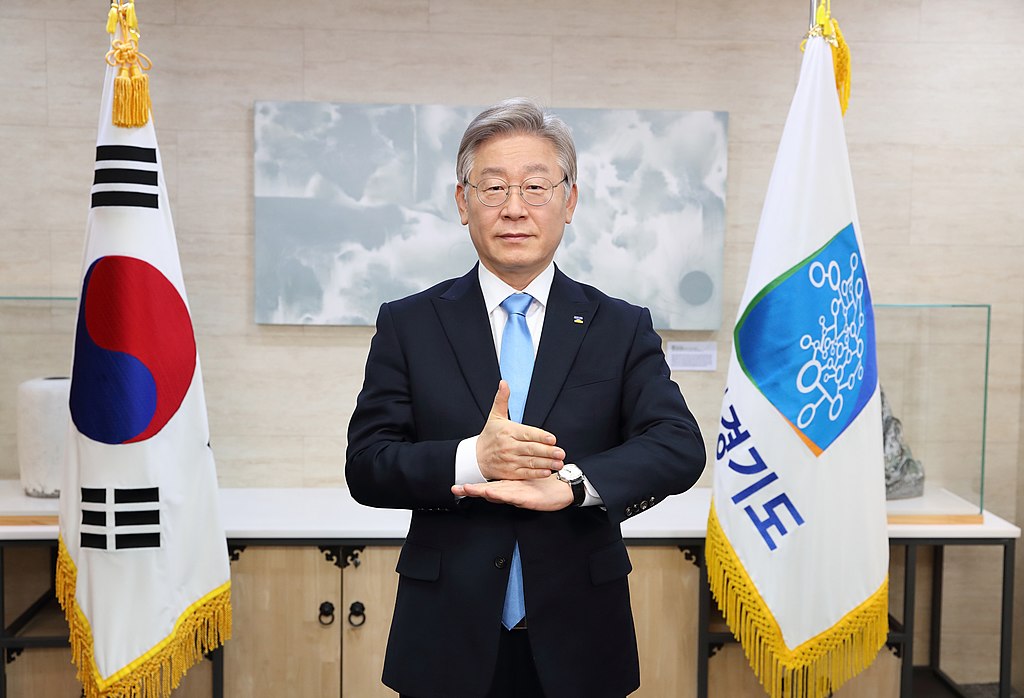
South Korean President Lee Jae Myung pressed for “commercially rational” trade negotiations with the United States during his meeting with U.S. Treasury Secretary Scott Bessent at the United Nations General Assembly. According to Lee’s policy chief, Kim Yong-beom, the talks centered on the $350 billion investment package agreed in principle between Lee and U.S. President Donald Trump during their July summit, which was tied to reducing tariffs on South Korean goods.
Lee emphasized that any agreement should align with the economic interests of both nations, stressing that South Korea’s economy and foreign exchange market differ greatly from Japan’s and must be considered in ongoing negotiations. This distinction comes as Japan recently finalized a $550 billion investment deal with Washington alongside tariff reductions.
Finance Minister Koo Yun-cheol also discussed the investment package and a possible U.S.-Korea currency swap with Bessent, though the ministry withheld further details. Analysts, however, remain skeptical. Kim Yong-jin, a management professor at Sogang University, noted that the currency swap proposal could be a strategy to avoid massive direct capital outflows, warning that a $350 billion investment commitment may be unrealistic without guaranteed U.S. dollar liquidity.
President Lee has previously cautioned that large-scale capital outflows to the U.S. could destabilize South Korea’s currency market and deplete foreign reserves. The Korean won recently weakened past the 1,400 per dollar mark, closing at 1,403.8 — its lowest since mid-May. To mitigate these risks, Seoul is pushing for an unlimited U.S. credit line via a foreign exchange swap, a proposal Washington is still reviewing.
As trade talks progress, South Korea seeks to balance economic stability with strategic ties to the U.S., ensuring that any final deal fosters mutual benefit rather than financial strain.