


 Oil Prices Fall on U.S.-Iran Hormuz Deal Hopes
  Canadian Dollar Faces Pressure as Fed-BoC Policy Gap Widens
  US Comfortable With Canada Trade Standoff as Import Bans Loom
  US 10-Year Treasury Yield at 6% Emerges as New Market Risk Threshold
  Dollar Holds Near Two-Month High as Yen Approaches 160
  Germany’s 2026 Growth Outlook Strengthens on Fiscal Spending
  Gold Prices Fall as Treasury Yields Rise on Fed Rate Hike Bets
  Oil Prices Jump 3% as Houthi Attack Revives Supply Fears
  Dollar Falls as Oil Eases, Yen Jumps on Intervention Signals
  European Stocks Fall as Bond Yields and Geopolitical Risks Weigh
  Fed’s Hammack Says Bond Yield Surge Is Not Driven by Inflation Fears
  Fed Unveils Stablecoin Rules Under GENIUS Act
  Japanese Yen Rebounds as Trump Flags Currency Weakness
  Japanese Bank Stocks Surge as Bond Yields Fuel Rate Hike Bets
  Asian Stocks Fall as Bond Yields Surge Ahead of Trump-Xi Summit
  Asian Stocks Fall as Surging Bond Yields Rattle Markets


 Add as a preferred source on Google
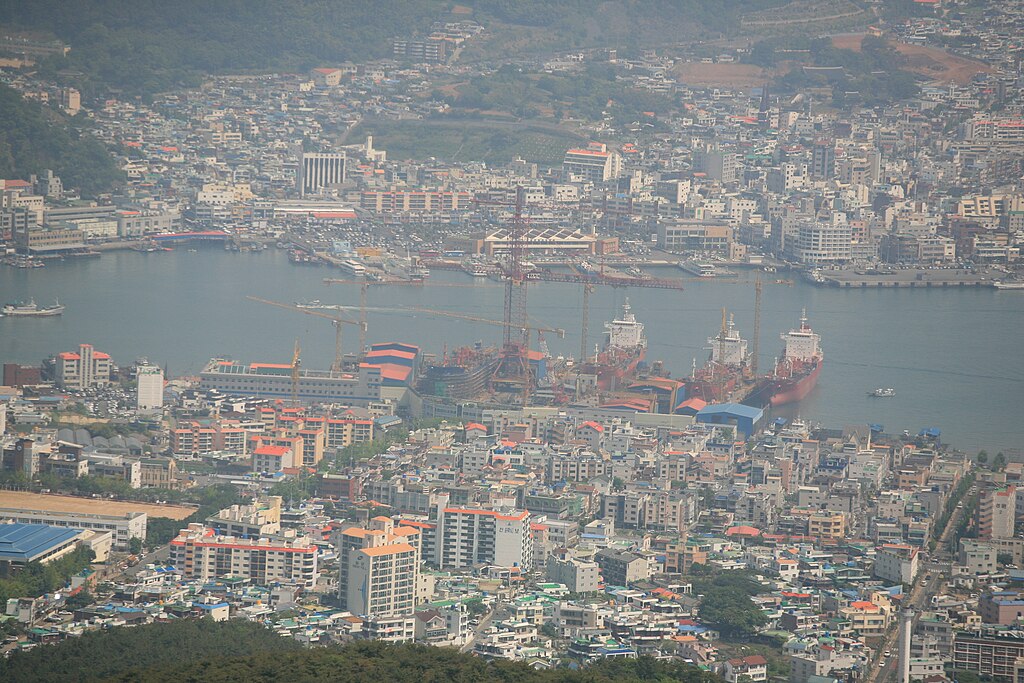
South Korea's economy likely returned to growth in the second quarter, driven by improved exports and a gradual recovery in domestic demand, according to a Reuters poll of economists. After contracting 0.2% in Q1 due to weak consumption and sluggish trade, GDP is projected to have grown 0.5% from April to June, aligning with the Bank of Korea’s (BOK) May forecast.
Year-on-year, GDP likely rose 0.4% in Q2 following flat growth in the first quarter, based on estimates from 23 economists surveyed between July 15-21. ING economist Min Joo Kang noted that consumption is showing early signs of recovery, with more substantial improvement expected in Q3 as government-issued spending vouchers take effect.
To counter slowing demand and looming U.S. tariffs, the government approved a 13.8 trillion won ($9.9 billion) supplementary budget in May, followed by a 31.8 trillion won stimulus in July aimed at boosting local spending.
Exports, a key growth driver, climbed 4.3% in June after declining in May, buoyed by strong global demand for semiconductors, vessels, and pharmaceuticals. However, shipments to the U.S. and China fell for a third and second consecutive month, respectively. Construction activity continued to weigh on growth.
South Korea is currently negotiating with Washington to avoid a 25% tariff on its exports, with a deal deadline set for August 1. Industry Minister Kim Jung-kwan described talks as being in a "critical phase," though uncertainty remains.
Meanwhile, the BOK held interest rates steady this month, with many board members signaling the likelihood of a rate cut within the next quarter due to persistent economic risks. Economists have also cut their 2025 growth outlook to 0.9%, aligning with the BOK’s revised projection of 0.8%.







