


 France Targets Shein, Temu With Fast-Fashion Fees
  U.S. Imposes New Visa Restrictions Over South Africa Policies
  SEC Seeks ISS Client Voting Records in Proxy Adviser Probe
  Lula, Flavio Bolsonaro Deadlocked in Brazil Election Polls
  Judge Blocks Trump Rule Limiting Foreign Student Visas
  Guterres Urges Stronger Global AI Safeguards Ahead of UN Assembly
  Nvidia-Groq AI Chip Deal Faces U.S. Antitrust Probe
  Meta Agrees to $18 Billion Settlement, Tightens Teen Social Media Rules
  Global Poll Shows Rising Trust in Institutions as US-China Leadership Support Falls
  Rodrigo Duterte Makes First Public Appearance at ICC in 18 Months
  Mahmoud Khalil Sues Columbia Over Alleged Pro-Palestinian Harassment
  UN Chief Raises Concern Over US Sanctions on ICC Officials
  Sun Pharma Wins U.S. Appeal in Pfizer Lipitor Antitrust Case
  US Immigration Arrests Surge as Deportations Lag Behind
  Ecuador Court Convicts Ex-President Lenin Moreno in Bribery Case
  Maduro Seeks Dismissal of US Drug Trafficking Charges
  U.S. Probes Apex Logistics Over Nvidia AI Chip Shipments to China


 Add as a preferred source on Google
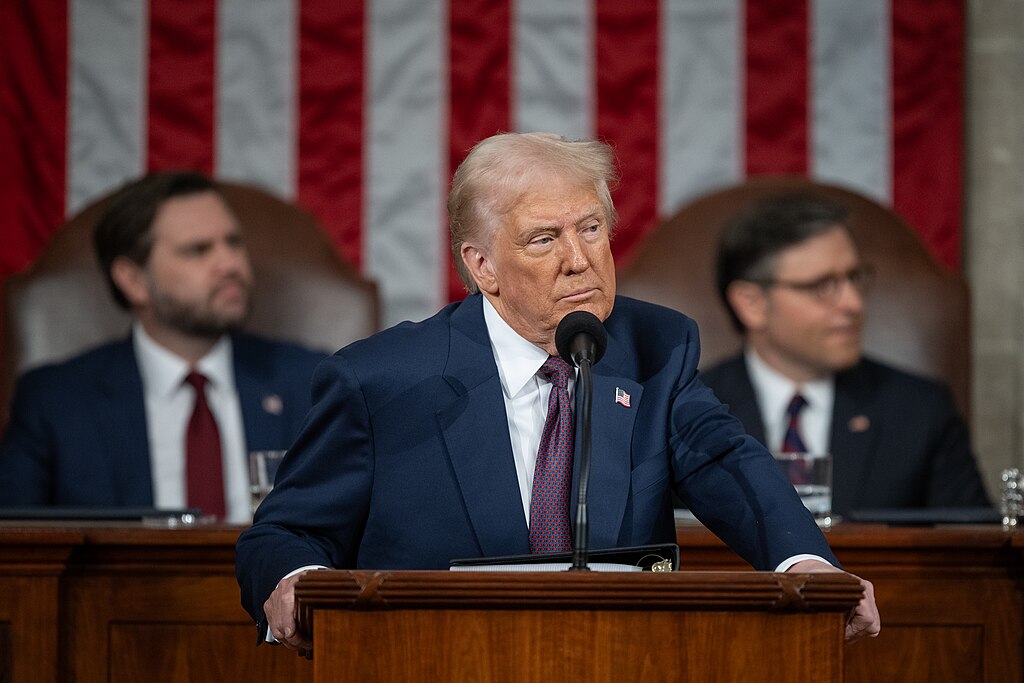
The U.S. Supreme Court continues to back President Donald Trump’s aggressive immigration enforcement policies, recently allowing the administration to end temporary legal protections for over 800,000 migrants. In two recent rulings, the Court lifted injunctions blocking the termination of humanitarian parole and Temporary Protected Status (TPS) for migrants from Venezuela, Cuba, Haiti, and Nicaragua—moves likely to lead to mass deportations.
Despite the broad support, the Court has emphasized constitutional due process. It ruled that migrants must receive adequate notice before removal, rejecting the administration’s attempt to deport Venezuelans under the 1798 Alien Enemies Act without proper legal recourse. Justices also criticized the practice of giving detainees only 24 hours’ notice before deportation, calling it unconstitutional.
Trump's hardline policies have drawn legal scrutiny since he resumed office in January, with the Court already intervening in seven immigration-related disputes. Legal experts argue that while the conservative majority often defers to executive power, it is unwilling to overlook blatant violations of legal rights. In April, the Court ordered the release of a wrongfully deported Salvadoran man, Kilmar Abrego Garcia, though he remains in custody in El Salvador.
Controversy also surrounds Trump's order to deport migrants to third countries like war-torn South Sudan. A federal judge halted the practice for violating due process, prompting the administration to seek Supreme Court intervention.
While the justices have allowed many deportations to proceed, legal scholars warn that removing legal protections without judicial explanation may set dangerous precedents. The Court is expected to rule soon on Trump’s bid to restrict birthright citizenship—a move that challenges long-held constitutional interpretations. As legal challenges mount, the Court faces the difficult task of balancing executive authority with constitutional protections.







