


 Trump Orders Firing Squad Execution for Fort Hood Gunman
  Trump Opens Tax-Exempt Dyed Diesel Access as Fuel Prices Surge
  Zcash Privacy Demand Rises as AI Exposes Bitcoin Transactions
  TSMC Q3 Revenue Beats Estimates as AI Chip Demand Surges
  Starbucks Explores Chipotle Acquisition as Shares Swing
  Disney Expands Infinity Vision to Challenge Imax
  Samsung Q3 Profit Hits Record High on AI Memory Demand
  US Suspends Microsoft, Adobe From Green Card Program
  Florida Seeks Tougher Meta Rules to Protect Young Users
  TikTok Accused of Testing Fake Safety Tools on Users
  US Conducts Non-Nuclear Explosion Test to Boost Nuclear Detection
  Oracle Uses Trucked Natural Gas to Power AI Data Centers Amid Pipeline Delays
  Solidigm Taps Goldman, Morgan Stanley for $10 Billion US IPO
  Anthropic Launches Claude Dashboards and Motion AI Tools
  US Treasury Drops Crypto Wallet Tracking Plan
  Amazon Cuts More Jobs as AI Investment Expands
  US DOT Ends Airline Privacy Review Without Enforcement


 Add as a preferred source on Google
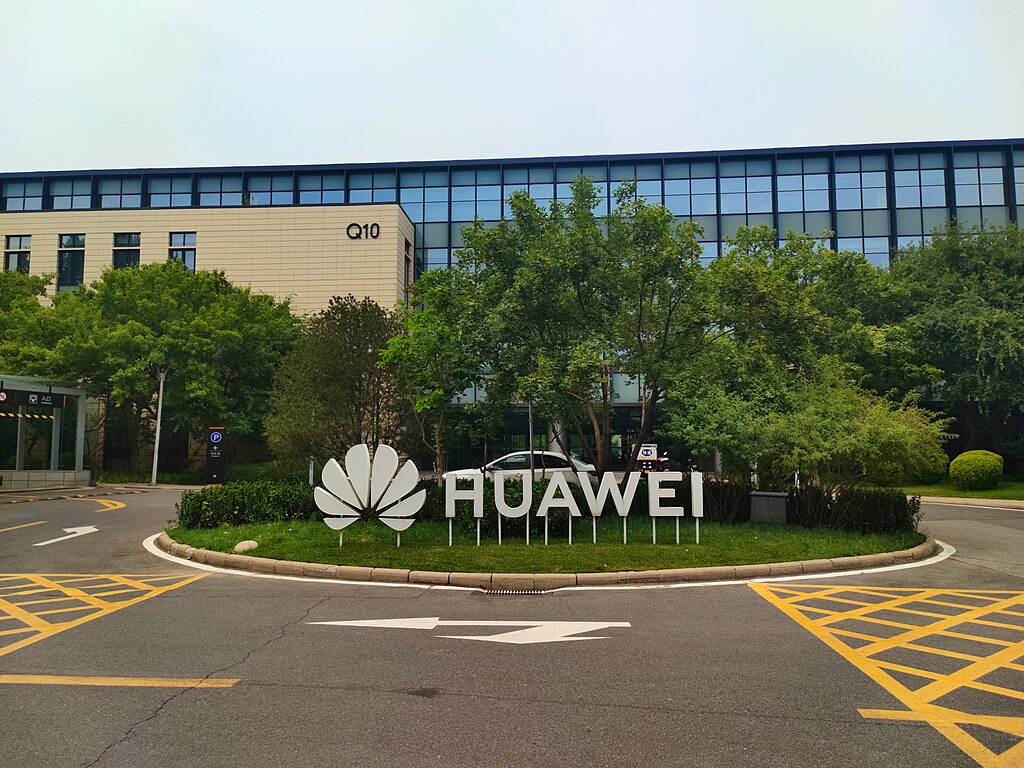
Taiwan has placed Chinese tech giants Huawei Technologies and Semiconductor Manufacturing International Corp (SMIC) on its strategic high-tech commodities export control list. This move, announced via the economy ministry’s updated trade administration website, means Taiwanese firms must now obtain government approval before exporting products to either company. The list also includes groups such as the Taliban and al Qaeda.
Taiwan, home to global chip leader TSMC, already enforces strict export rules targeting Chinese firms amid growing concerns over technology transfer and national security. TSMC, a key supplier to companies like Nvidia (NASDAQ:NVDA), plays a central role in the global semiconductor supply chain. Both Huawei and SMIC have been accelerating efforts to close the technology gap with top-tier chipmakers, particularly in AI and advanced processing.
Huawei, central to China’s AI ambitions, remains blacklisted by the U.S. Commerce Department, preventing it from receiving American-made technologies and chips built using U.S. tools, including those from TSMC. A 2024 teardown of Huawei’s 910B AI processor by TechInsights revealed a TSMC-manufactured chip inside, raising compliance concerns. As a result, TSMC halted shipments to Chinese chip designer Sophgo, whose product resembled the one in the Huawei chip, following orders from the U.S. government.
Taiwan has repeatedly accused Chinese firms of attempting to steal semiconductor technologies and poach skilled engineers. The addition of SMIC to the export list underscores these concerns, as the company continues to boost domestic production to counter Western sanctions. Both SMIC and Huawei have yet to comment on their inclusion in Taiwan’s restricted entity list.
This development intensifies the already complex U.S.-China tech rivalry, with Taiwan caught in the crossfire as a critical node in the global chip ecosystem.







