


 Mahmoud Abbas Postpones Palestinian Elections to September 2027
  MI5 Warns of Rising Iran, Russia Threats and AI Bioweapon Risks
  Trump Denies Russia and China Are Helping Iran in U.S. Conflict
  Trump Denies China, Russia Are Helping Iran in War
  Trump Warns Houthis Over Attacks, Considers Erdogan Intervention
  Trump Plans White House Shake-Up of Key AI Safety Agency
  Djibouti Migrant Boat Capsizes, Killing 139 and Leaving 84 Missing
  Panama Declares Emergency After 7.7 Earthquake Triggers 200 Aftershocks
  Zelenskiy Says Ukraine Received No Warning Before Russian Missile Attack
  European Auto Stocks Rise as EU-China Trade Deal Targets Hybrid Imports
  Zelenskiy Seeks New US Talks to Revive Ukraine-Russia Peace Negotiations
  North Korea Fires Ballistic Missiles as Tensions With South Korea Escalate
  Trump Sanctions International Criminal Court, Sparking EU Backlash
  US Condemns China Sanctions on Taiwan Allies Belize and Paraguay
  Pakistan Declares Emergency in Khyber Pakhtunkhwa, Suspends Imran Khan’s PTI Government
  Kim Jong Un Showcases ICBM Ahead of Possible Trump Meeting


 Add as a preferred source on Google
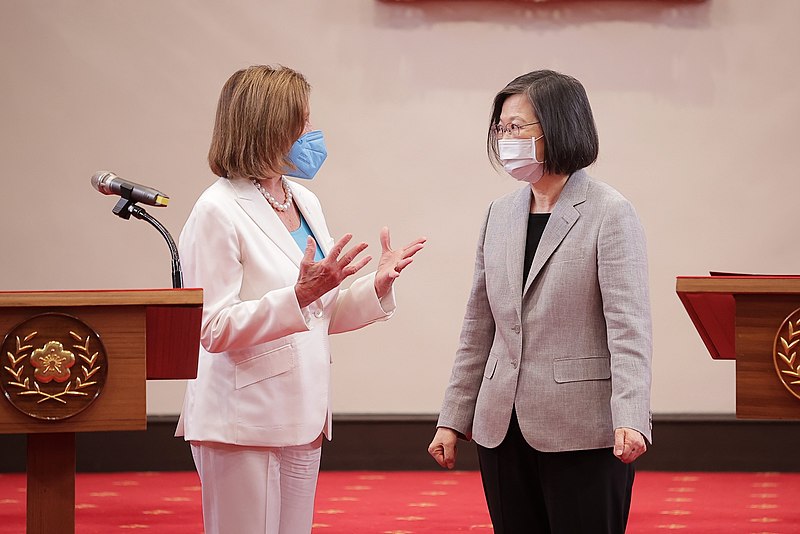
The island nation of Taiwan recently unveiled its plans to increase its defense spending. The move comes amid tensions with China, with Beijing holding military exercises close by.
The government of Taiwanese President Tsai Ing-wen announced Thursday that it was going to increase defense spending by 13.9 percent. The increase would include additional funding for new fighter jets and other equipment and would take the defense budget up to $19.41 billion, or about 15 percent of Taiwan’s total government expenditure.
The proposed budget has yet to be confirmed by parliament. Tsai said Taiwan’s determination to defend its sovereignty would remain despite pressure and threats from China. China claims the democratically-governed island as its territory and has pressured Taiwan to accept Beijing’s rule.
“At the same time, as a responsible member of the international community, Taiwan will not provoke incidents or escalate conflicts,” said Tsai. Tsai, who leads the Democratic Progressive Party, has pledged to modernize Taiwan’s armed forces.
Back in March, China announced plans to spend over $200 billion on defense, which some analysts say understates the scale of its spending on its military. China has been holding large-scale military drills close to the island in recent weeks out of anger from the visit of US House Speaker Nancy Pelosi to the island.
China has accused the United States of trying to overturn the diplomatic policy on the island. While Washington said it does not support Taiwan’s independence, it strongly opposes any attempt to forcefully change the status quo. The US is also treaty-bound to supply Taiwan with weapons to defend itself.
Following Pelosi’s visit, more and more US officials have visited the island, in further defiance of Beijing. The latest visit was from US Republican Senator Marsha Blackburn, who arrived in Taiwan Thursday.
“Taiwan is our strongest partner in the Indo-Pacific Region. Regular high-level visits to Taipei are long-standing US policy,” Blackburn said in a statement. “I will not be bullied by Communist China into turning my back on the island.”
Taiwan has strong bipartisan support in a very divided US Congress.
Blackburn met with Tsai, as well as top security official Wellington Koo and foreign minister Joseph Wu.







