


 Zelenskiy Seeks New US Talks to Revive Ukraine-Russia Peace Negotiations
  European Auto Stocks Rise as EU-China Trade Deal Targets Hybrid Imports
  Trump Denies China, Russia Are Helping Iran in War
  Flavio Bolsonaro Backs Brazil’s 40-Hour Workweek Reform Ahead of Runoff
  North Korea Fires Ballistic Missiles as Tensions With South Korea Escalate
  US Supreme Court Denies Release of Anti-ICE Activist Kyle Wagner
  Trump Plans White House Shake-Up of Key AI Safety Agency
  Kim Jong Un Showcases ICBM Ahead of Possible Trump Meeting
  Zelenskiy Says Ukraine Received No Warning Before Russian Missile Attack
  NATO Commander Warns Russia of Devastating Response to Attack
  Mahmoud Abbas Postpones Palestinian Elections to September 2027
  India Voter List Protests Reach Supreme Court as Opposition Demands Election Chief's Resignation
  US Authorities Raid Ilhan Omar’s Home Amid Immigration Fraud Probe
  Trump Warns Houthis Over Attacks, Considers Erdogan Intervention
  US Senate Midterms 2026: Key Races That Could Flip Control
  Pakistan Declares Emergency in Khyber Pakhtunkhwa, Suspends Imran Khan’s PTI Government
  Greenland Lawmakers Back Trump Security Deal Despite Economic Concerns


 Add as a preferred source on Google
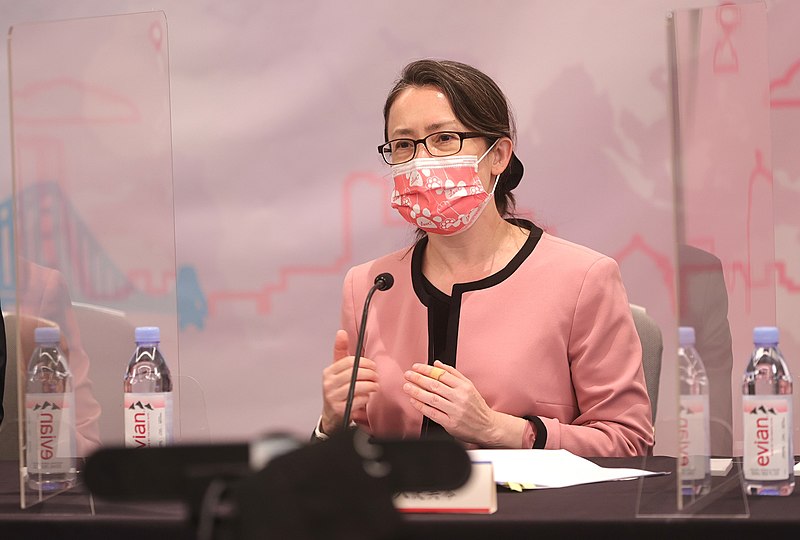
Taiwan’s de facto ambassador to the United States hosted foreign lawmakers in Washington this week. The gathering was among lawmakers who have expressed support for sanctions on China over its increased aggression on the island nation.
Reuters reports that Taiwanese de facto ambassador Hsiao Bi-Khim hosted the lawmakers at Taiwan’s diplomatic mansion in Washington Tuesday, featuring around 60 lawmakers from Europe, Asia, and Africa.
The unannounced meeting is part of the island nation’s efforts to persuade fellow democracies to stand against China as Beijing ramped up its rhetoric and military activities close to Taiwan.
The meeting also comes out of fears from Taipei that Russia’s invasion of Ukraine may empower China to invade the island that it claims as its territory.
The group of lawmakers, also known as the Inter-Parliamentary Alliance on China, is meeting this week in Washington and is set to sign a pledge to advocate for a “greater deterrence against military and other coercive” actions by China against Taiwan in their respective governments, according to a draft obtained by the outlet.
“We will campaign to make sure our governments signal to the PRC that military aggression towards Taiwan will cost Beijing dearly,” said the draft. “Economic and political measures including meaningful sanctions, should be considered to deter military escalation, and to ensure trade and other exchanges with Taiwan can continue unimpeded.”
The draft also noted that the countries’ ties to Taiwan are not up for Beijing to decide and they would push to increase mutual visits by lawmakers. Taiwan has strongly rejected China’s claims over the island.
The US Senate Foreign Relations Committee approved legislation Wednesday that would bolster US military support for Taiwan.
The legislation included billions of dollars in additional security assistance. The committee backed the Taiwan Policy Act of 2022 by a vote of 17 to 5, amidst concerns that are in the bill in the Biden administration and anger from China.
Taiwan has strong bipartisan support in Congress, and the bipartisan vote was a clear indication of support for measures that would change the US policy on the island, including treating Taiwan as a major non-NATO ally.







