


 UK Finance Minister Healey Calls for Fiscal Discipline Amid Global Risks
  Panama Declares Emergency After 7.7 Earthquake Triggers 200 Aftershocks
  North Korea Fires Ballistic Missiles as Tensions With South Korea Escalate
  Elon Musk Donates $366 Million to 2026 US Midterms
  Trump Plans White House Shake-Up of Key AI Safety Agency
  US Authorities Raid Ilhan Omar’s Home Amid Immigration Fraud Probe
  NATO Commander Warns Russia of Devastating Response to Attack
  Trump Announces Russia-Ukraine Energy Ceasefire Amid U.S. Pressure on Kyiv
  India Voter List Protests Reach Supreme Court as Opposition Demands Election Chief's Resignation
  Trump Denies Russia and China Are Helping Iran in U.S. Conflict
  Jordan Bardella Antisemitism Allegations Threaten Le Pen’s Campaign
  Kim Jong Un Showcases ICBM Ahead of Possible Trump Meeting
  Most Americans Oppose Election Betting on Prediction Markets, Poll Finds
  US Condemns China Sanctions on Taiwan Allies Belize and Paraguay
  Trump Announces Russia-Ukraine Energy Ceasefire as Zelenskiy Awaits Details
  Djibouti Migrant Boat Capsizes, Killing 139 and Leaving 84 Missing


 Add as a preferred source on Google
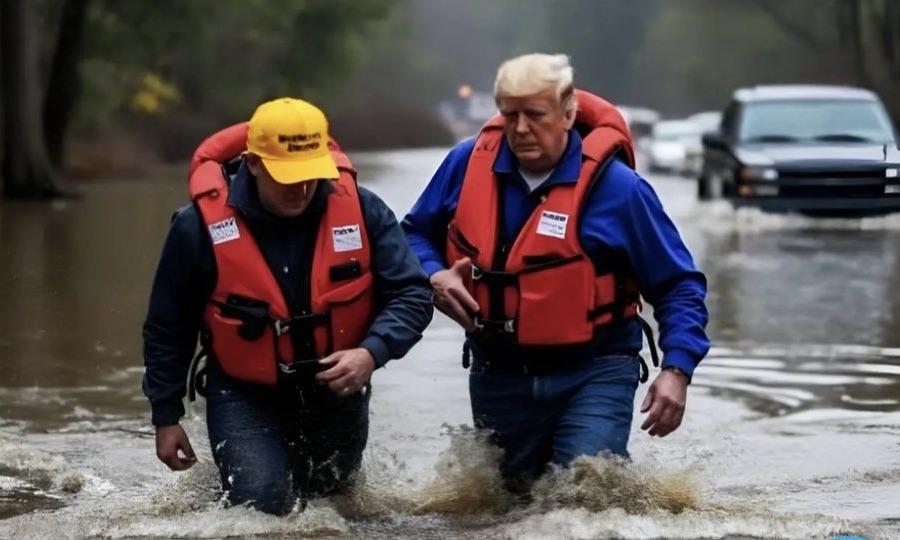
In the wake of recent hurricanes that devastated parts of North Carolina, state officials have announced an expansion of voting access for the impacted areas ahead of the upcoming election. The move, aimed at ensuring that displaced residents can still cast their ballots, has sparked both praise and controversy as election day approaches.
North Carolina’s Board of Elections revealed that they will be increasing early voting locations, extending mail-in ballot deadlines, and offering additional resources to voters in regions hardest hit by the storm. The decision comes in response to widespread concerns that the hurricane’s destruction could prevent thousands of residents from exercising their right to vote.
“We’re committed to ensuring that every voter in North Carolina has the opportunity to make their voice heard, despite the challenges posed by the recent storm,” said a spokesperson for the Board of Elections. “This expansion of voting access will help those in affected areas get to the polls or submit their ballots in a timely manner.”
While the decision is being hailed by voting rights advocates, it has also drawn sharp criticism from some conservative voices who claim that expanding access this late in the election cycle could lead to voter manipulation. “This changes everything,” said one Republican strategist. “Expanding voting in these areas, where turnout might have been lower, could shift the results. It’s a manipulation of the election process.”
Critics argue that the extension of mail-in voting deadlines could open the door for potential fraud, an argument that has gained traction among some Republican circles following concerns over absentee voting in previous elections. “We understand the need to ensure that all residents can vote, but there needs to be a balance between access and security,” a GOP representative said.
On the other hand, Democrats have lauded the move, stating that it is a necessary step to ensure that residents impacted by the hurricane are not disenfranchised. “This is about fairness and making sure every North Carolinian, regardless of their situation, can participate in our democracy,” said a spokesperson for the North Carolina Democratic Party.
The areas impacted by the hurricane are primarily rural, and many residents have faced significant challenges in the storm’s aftermath, including displacement, property loss, and limited access to basic resources. Voting advocates argue that without the expanded access, many residents would be left without a viable way to cast their ballots.
“This isn’t about politics; it’s about ensuring that no one is left behind,” said a local voting rights activist. “The storm has already caused enough damage. The least we can do is make sure people can still vote.”
The expanded voting access includes additional early voting centers in impacted areas, extended hours at polling locations, and the use of mobile voting centers in regions where infrastructure has been severely damaged. Mail-in ballots will also be accepted as long as they are postmarked by election day and received within ten days after.
As North Carolina prepares for the election, the debate over expanded voting access in hurricane-affected areas is likely to intensify, with both sides questioning how the move will impact the final outcome.







