


 Sun Pharma Wins U.S. Appeal in Pfizer Lipitor Antitrust Case
  Prince Harry Faces Potential Multi-Million-Pound Legal Bill in Daily Mail Case
  SEC Probes Banks Over Situational Awareness Hedge Fund Collapse
  Trump’s Arlington Arch Project Faces New Court Restrictions
  South Korea’s Cho Hyun to Meet Rubio in Washington
  Nvidia-Groq AI Chip Deal Faces U.S. Antitrust Probe
  Brazil Warns EU of Retaliation Over Animal Products Ban
  Trump Rejects Calls for Tougher AI Regulation
  Australia Defends Social Media Algorithm Law Amid US Concerns
  Sara Duterte Posts Bail Over Grave Threats Case
  Honduras Court Drops Charges Against Ex-President Juan Orlando Hernandez
  OpenAI Rejects Apple Trade Secret Theft Claims
  Maduro Seeks Dismissal of US Drug Trafficking Charges
  FDA Names Permanent Drug and Biologics Center Chiefs
  Sweden Election: Centre-Left Holds Narrow Lead
  CK Hutchison Seeks $1.5 Billion From Panama Over Canal Ports
  US Confirms Weapons in Orbit as Space Tensions Rise


 Add as a preferred source on Google
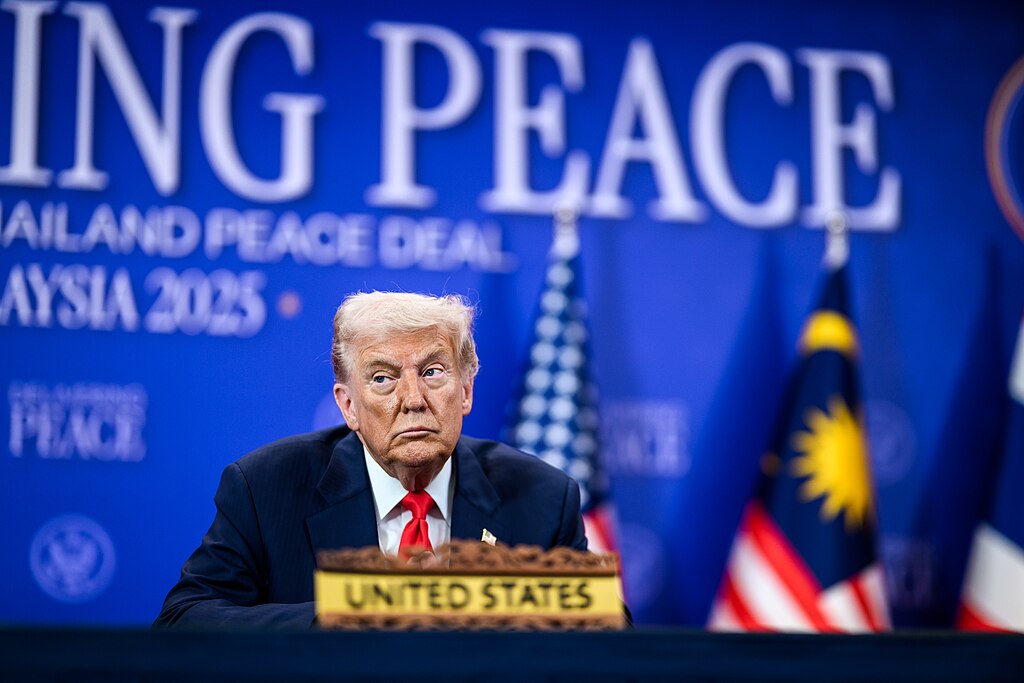
A federal judge has rejected a legal challenge to President Donald Trump’s controversial $100,000 fee on new H-1B visa applications, delivering a significant win for the administration’s immigration policy agenda. On Tuesday, U.S. District Judge Beryl Howell in Washington, D.C., ruled that the fee falls within the president’s broad authority to regulate immigration, dismissing arguments from major U.S. business and academic groups.
The lawsuit was brought by the U.S. Chamber of Commerce, the nation’s largest business lobby, along with the Association of American Universities. The groups argued that the Trump administration overstepped its legal authority when it issued a September proclamation imposing the steep fee on employers seeking new H-1B visas for highly skilled foreign workers. They claimed the measure would harm U.S. businesses, universities, and the broader economy by making it more difficult and expensive to attract global talent.
Judge Howell disagreed, concluding that existing immigration laws grant the president wide discretion to set conditions on the entry of foreign nationals into the United States. In her ruling, she emphasized that Congress has historically delegated significant power to the executive branch in matters related to immigration and national borders. As a result, the court found that the administration acted within its legal rights when it implemented the H-1B visa fee.
The H-1B visa program allows U.S. employers to hire foreign workers in specialty occupations, particularly in technology, engineering, healthcare, and academia. Supporters of the fee argue it helps protect American jobs and ensures that companies prioritize domestic workers. Critics, however, warn that the policy could discourage innovation, increase labor shortages, and reduce the global competitiveness of U.S. companies and research institutions.
The ruling marks an important development in ongoing debates over U.S. immigration policy, skilled worker visas, and executive authority. While opponents may consider further legal action or legislative solutions, the decision reinforces the Trump administration’s ability to use immigration tools, including fees and restrictions, to shape labor and economic policy.







