


 US Weighs New Sanctions Against Brazil Supreme Court Justice Alexandre de Moraes
  Mahmoud Khalil Sues Columbia Over Alleged Pro-Palestinian Harassment
  Synthetic data could ease people’s concerns about privacy breaches. But who gets to create it?
  Kim Jong Un Pledges Deeper Russia Cooperation
  TikTok, DOJ Reach $400 Million Children’s Privacy Settlement
  US Sailor’s Father Detained by Immigration Authorities
  US Resumes Immigrant Visa Processing for Hungary, Poland
  SEC Sues Former Tricolor Executives Over $1.9 Billion Investor Fraud Scheme
  Trump Grants Clemency to Jay-Z Associate Emory Jones
  Brazil Warns EU of Retaliation Over Animal Products Ban
  Rodrigo Duterte Makes First Public Appearance at ICC in 18 Months
  California Seeks Paramount Divestitures in Warner Bros. Merger
  US Judge Dismisses Imran Ahmed Deportation Lawsuit
  Nvidia-Groq AI Chip Deal Faces U.S. Antitrust Probe
  Bill Gates Warns Governments Are Unprepared for AI Disruption
  Saudi Arabia Shuts East-West Oil Pipeline After Drone Attack
  Trump’s Arlington Arch Project Faces New Court Restrictions


 Add as a preferred source on Google
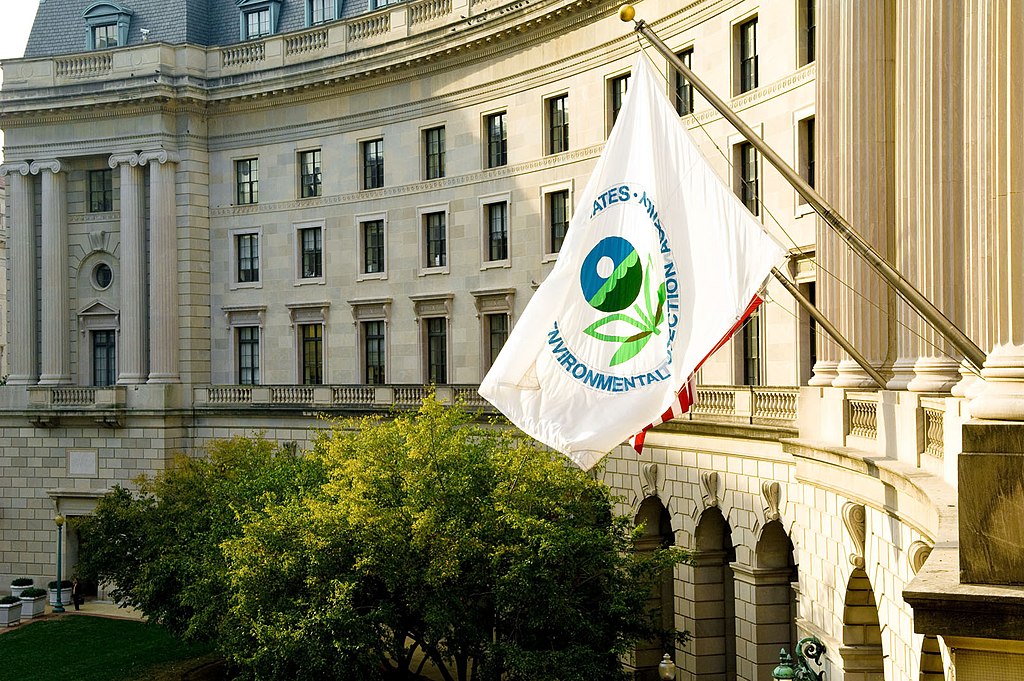
The Trump administration announced plans to rescind the Environmental Protection Agency’s (EPA) “endangerment finding,” which since 2009 has served as the legal foundation for U.S. greenhouse gas regulations. The repeal, unveiled by EPA Administrator Lee Zeldin and Energy Secretary Chris Wright at an Indiana car dealership, would eliminate federal limits on carbon emissions from vehicles, power plants, and industrial sources, potentially dismantling key U.S. climate policies.
Zeldin described the move as the largest deregulatory action in U.S. history, projecting $54 billion in annual cost savings. He cited a 2024 Supreme Court ruling limiting federal agency authority, asserting that regulating greenhouse gases now requires explicit Congressional approval. Critics argue this reversal undermines climate action as extreme weather intensifies, with Earthjustice calling it “the end of U.S. efforts to address climate change.”
The original finding stemmed from the 2007 Supreme Court case Massachusetts v. EPA, which recognized the agency’s authority under the Clean Air Act to regulate greenhouse gases. The decision laid the groundwork for Obama-era vehicle tailpipe standards, methane regulations, and carbon controls on power plants.
Automakers and industry groups offered mixed reactions. The American Trucking Associations praised the repeal, saying Biden-era tailpipe standards threatened supply chains. Ford called for a unified, science-based emissions standard, while Toyota, GM, and Stellantis declined comment. The U.S. Chamber of Commerce welcomed lower energy costs but said it is reviewing the proposal.
California regulators condemned the decision, calling it “polluter fantasyland over proven science.” The move is expected to face legal challenges from states and environmental organizations, as it conflicts with international climate obligations, including the Paris Agreement.







