


 Iran Plans New Gulf Restricted Zone as Hormuz Tensions Push Oil Higher
  U.S. Probes Apex Logistics Over Nvidia AI Chip Shipments to China
  Trump Grants Clemency to Jay-Z Associate Emory Jones
  US Stock Futures Mixed as Fed Rate Hike Bets Rise
  European Stocks Flat as Iran Tensions, ECB Rate Hike Loom
  Cuba Says No US Talks as Blockade Costs Hit $8.1 Billion
  FCC Steps Up China Tech Crackdown as Beijing Pushes Back
  UK House Prices Fall for First Time Since 2023
  Iran Threatens Gulf Energy Assets as U.S. Tensions Escalate
  Russia Seeks to Claw Back Soldier Bonuses After Crimes
  Yen Rebounds as BOJ Rate Hike Bets Rise
  Hungary Industrial Output Beats Forecasts With 4.7% July Growth
  China Exports Surge 25% in August as Trade Surplus Hits $119 Billion
  Countries Tighten Social Media Bans for Children
  Trump Administration Pauses Visa Appointments Worldwide
  Trump Signs Order to Cut Routine Childhood Vaccines


 Add as a preferred source on Google
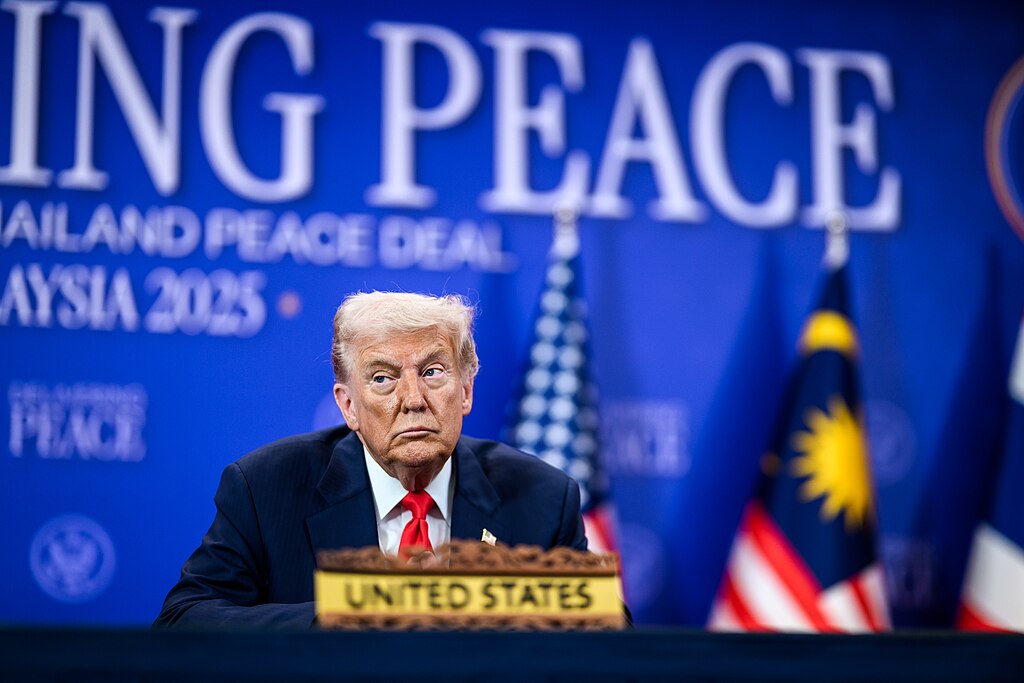
U.S. President Donald Trump announced on Monday that the United States will impose a sweeping 25% tariff on any country that continues to do business with Iran, significantly escalating Washington’s economic pressure on Tehran and its global trade partners. The statement, made via Trump’s Truth Social account, underscores a hardline approach toward Iran and signals potential disruptions to international trade relationships involving the U.S. market.
According to Trump, the new tariff policy takes effect immediately and applies broadly to “any and all business” conducted between the United States and countries that maintain commercial ties with the Islamic Republic of Iran. He emphasized the firmness of the decision, stating that the order is “final and conclusive,” leaving little room for negotiation or exemptions. The announcement was later reported by Reuters, drawing swift attention from global markets, policymakers, and international businesses.
This move aligns with Trump’s long-standing strategy of using tariffs and economic sanctions as tools of foreign policy, particularly toward Iran. During his presidency, Trump withdrew the U.S. from the Iran nuclear deal and reimposed strict sanctions aimed at curbing Iran’s oil exports and limiting its access to global financial systems. The latest tariff threat expands that pressure beyond Iran itself, targeting third-party countries and companies that engage in trade with Tehran.
The potential impact of the 25% tariff could be far-reaching. Countries that rely heavily on trade with both the United States and Iran may face difficult strategic choices, while multinational corporations could see higher costs, disrupted supply chains, and increased regulatory uncertainty. Analysts note that such tariffs could also provoke retaliatory measures, potentially intensifying global trade tensions.
From an economic standpoint, the announcement may influence currency markets, commodity prices, and investor sentiment, particularly in sectors linked to energy, manufacturing, and international trade. As businesses and governments assess their exposure, Trump’s declaration adds another layer of complexity to an already volatile geopolitical and economic landscape.
The coming days are likely to bring further clarification, reactions from affected countries, and responses from global markets as the implications of the proposed U.S. tariff policy continue to unfold.







