


 US Bans Canadian Alcohol, Motorcycles as Trade War Escalates
  Venezuela Nears Deal to Move $4 Billion in Gold to New York Fed
  Appeals Court Rejects Trump Third-Country Deportation Policy
  FAA Allows Boeing to Sell 35 More 777F Freighters Beyond 2028
  France Targets Shein, Temu With Fast-Fashion Fees
  Australia Defends Social Media Algorithm Law Amid US Concerns
  Texas Republicans Turn Against AI Data Centers as Election Backlash Grows
  US Resumes Immigrant Visa Processing for Hungary, Poland
  Iran Economic Crisis Forces Afghan Families to Return Home
  Trump Threatens EU Tariffs Over Canada Membership Proposal
  NATO Commander Joins US Review of Troop Deployments in Europe
  FCC Approves Foreign Investment in $110B Paramount-Warner Bros. Deal
  Trump Grants Clemency to Jay-Z Associate Emory Jones
  U.S. Issues Cuba Health Alert as Illnesses Rise
  Google Changes EU Spam Policy Amid Antitrust Scrutiny
  ICE Agent Arrested in Minneapolis Over Venezuelan Man Shooting
  Australia Tightens Student Visa Rules, Targets Migration Cut by 2028


 Add as a preferred source on Google
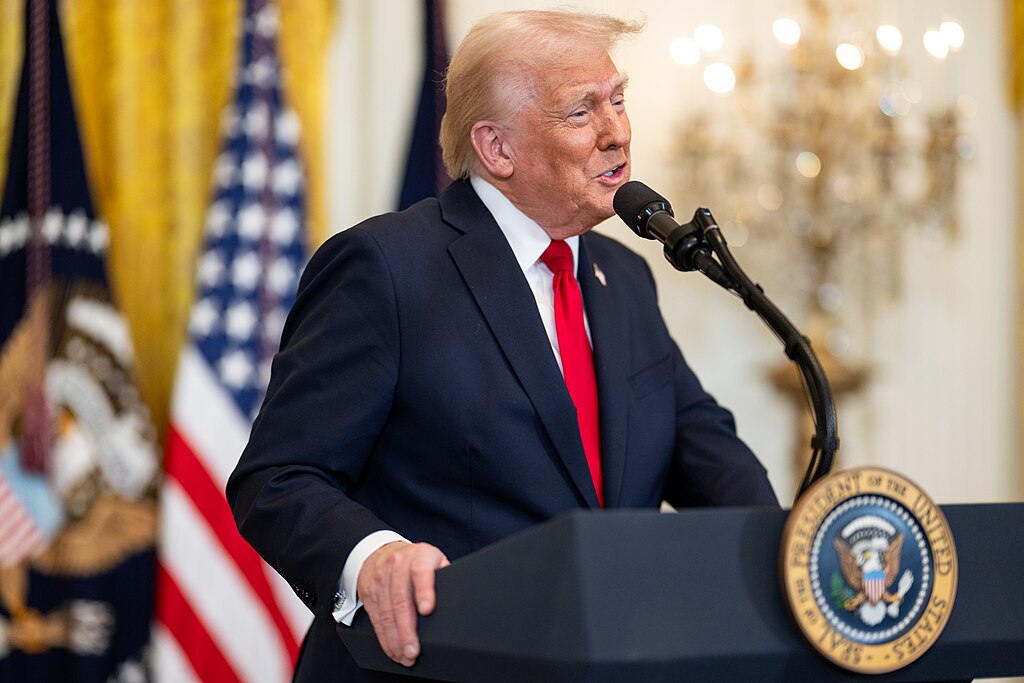
U.S. President Donald Trump’s new travel ban, set to take effect at 12:01 a.m. ET on Monday, prohibits entry from 12 countries, citing national security concerns. The executive order blocks travelers from Afghanistan, Myanmar, Chad, Republic of the Congo, Equatorial Guinea, Eritrea, Haiti, Iran, Libya, Somalia, Sudan, and Yemen. Citizens from seven additional nations, including Cuba, Venezuela, and Laos, will face partial restrictions.
The White House claims the affected countries either harbor terrorist threats, lack reliable identity verification systems, or fail to share critical criminal data. Trump pointed to a recent attack in Boulder, Colorado — where an Egyptian national threw a gasoline bomb into a pro-Israel crowd — as justification. Notably, Egypt is not included in the ban.
This policy echoes Trump’s earlier travel ban during his first term, which targeted several Muslim-majority nations and sparked widespread controversy. Critics argue the latest measure unfairly targets vulnerable populations, particularly asylum seekers. Representative Ro Khanna called the policy "draconian and unconstitutional," emphasizing the right to seek refuge.
Affected countries have begun responding. Chad’s President Mahamat Idriss Deby Itno announced a visa ban on U.S. citizens, expressing defiance and national pride. Meanwhile, Afghans who aided U.S. forces fear being forced back to Taliban-controlled regions, potentially facing severe retaliation.
The ban underscores Trump’s broader stance on restricting immigration, intensifying debate ahead of the 2026 election cycle. Human rights advocates and Democratic lawmakers have pledged to challenge the policy, warning of its humanitarian and diplomatic fallout.
The move is expected to spark legal and political challenges, while deepening divisions over U.S. immigration policy. As implementation begins, its impact on global mobility, international relations, and human rights remains under close scrutiny.







