


 Australia Plans New Rules Giving Users Control Over Social Media Feeds
  Najib Razak Granted House Arrest Until 2028
  Trump Grants Clemency to Jay-Z Associate Emory Jones
  Australia Defends Social Media Algorithm Law Amid US Concerns
  Pentagon Restarts Testosterone Testing for US Troops
  South Korea’s Cho Hyun to Meet Rubio in Washington
  US Judge Dismisses Imran Ahmed Deportation Lawsuit
  Houthis Seize Bab el-Mandeb as Military Power Grows
  Trump Threatens EU Tariffs Over Canada Membership Proposal
  US Allies Fear Trump Could Soften Taiwan Stance in Xi Talks
  US Delegation Visits Myanmar, Secures Release of American Adam Castillo
  FDA Weighs Safety Standards for Psychedelic Therapies
  Kim Yo Jong Warns of Stronger Response to US-Led Military Drills
  U.S. Probes Apex Logistics Over Nvidia AI Chip Shipments to China
  France Targets Shein, Temu With Fast-Fashion Fees
  US Immigration Arrests Surge as Deportations Lag Behind


 Add as a preferred source on Google
U.S. President Donald Trump’s administration has frozen $26 billion in funding for Democratic-leaning states during the ongoing government shutdown, escalating partisan tensions in Washington. The freeze impacts $18 billion allocated for transit projects in New York—home to top Democrats Chuck Schumer and Hakeem Jeffries—and $8 billion in green energy initiatives across 16 Democratic-led states, including California and Illinois.
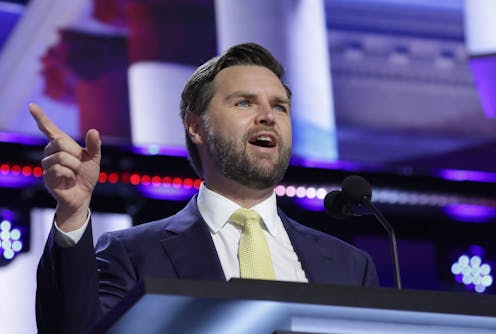
Vice President JD Vance warned that the administration may extend layoffs if the shutdown continues beyond a few days, adding to 300,000 job cuts already planned by December. Around 750,000 federal workers have been furloughed, while essential employees such as military personnel and Border Patrol agents are working without pay. Agencies including the Department of Veterans Affairs and the U.S. Patent and Trademark Office have already scaled back operations, with the latter announcing layoffs of 1% of its workforce.
Democrats have sharply criticized Trump’s actions. Schumer accused the president of using Americans as “pawns” and engaging in “blackmail,” while Jeffries warned of job losses tied to halted infrastructure projects. Republicans remain divided: Senator Thom Tillis voiced concerns about worsening negotiations, but Senate Leader John Thune dismissed the freeze, urging Democrats to reopen the government.
Both parties continue to clash over funding bills. Republicans, who control the Senate 53-47, failed to secure enough Democratic support to pass a stopgap measure. Democrats, meanwhile, are pushing for healthcare protections and safeguards to prevent Trump from bypassing spending laws. The shutdown, the 15th since 1981, has suspended critical activities from scientific research to environmental cleanups.
The standoff highlights deep partisan divides ahead of the 2026 midterm elections, with each side blaming the other for the crisis. Democrats accuse Republicans of deliberately prolonging the shutdown, while Republicans insist Democrats are obstructing government funding. The shutdown also raises concerns over the $37.5 trillion U.S. debt and the broader stability of federal operations.







