


 Canada Retaliatory Tariffs on U.S. Goods Take Effect
  Australia Plans New Rules Giving Users Control Over Social Media Feeds
  Iran Threatens US With ‘Economic Warfare’ as Gulf Tensions Rise
  Xi, Putin Reaffirm Ties With North Korea on Founding Anniversary
  SEC Probes Banks Over Situational Awareness Hedge Fund Collapse
  US Bans Canadian Alcohol, Motorcycles as Trade War Escalates
  FDA Names Permanent Drug and Biologics Center Chiefs
  US Sailor’s Father Detained by Immigration Authorities
  Iran Vows Tougher Response as U.S. Sanctions Squeeze Economy
  China Inflation Accelerates in August as CPI, PPI Rise
  Australia Defends Social Media Algorithm Law Amid US Concerns
  Japan Foreign Reserves Plunge $79.6 Billion After Record Yen Intervention
  Japanese Yen Nears Seven-Month High as Oil Approaches $100
  Hungary Industrial Output Beats Forecasts With 4.7% July Growth
  New Zealand Moves to Ban Social Media for Children Under 16
  Trump Administration Removes Confederate Memorial Criticism From Arlington Website
  Asian Stocks Mixed as AI Chip Rally Meets Oil Surge


 Add as a preferred source on Google
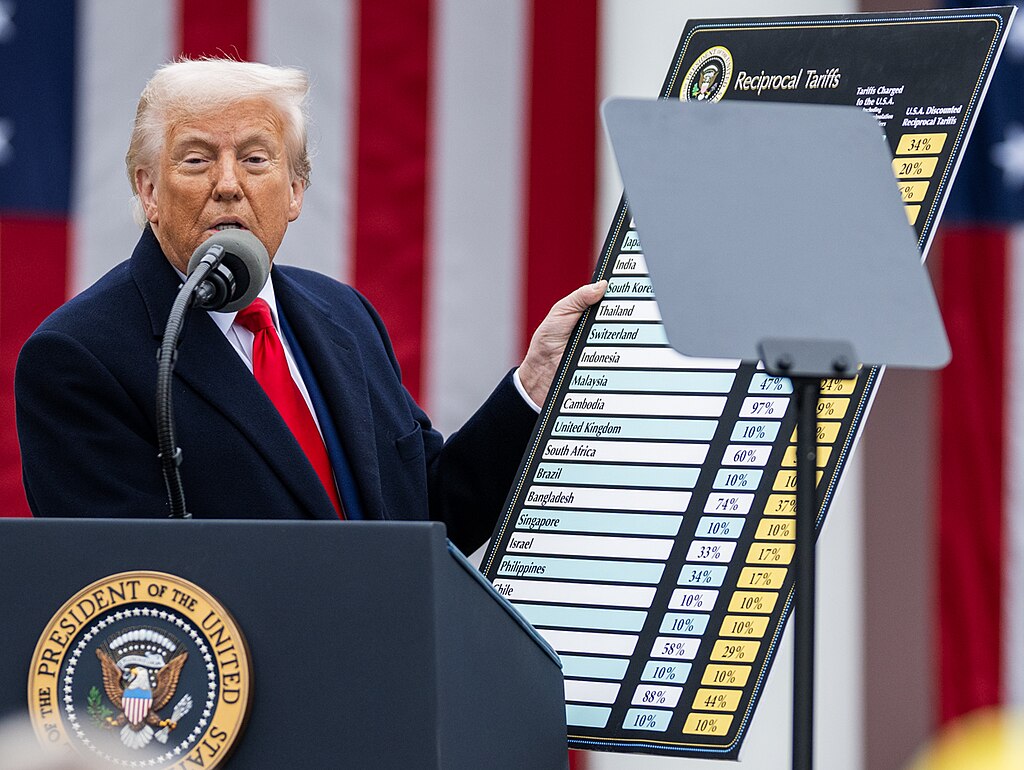
President Donald Trump signed an executive order Thursday imposing new reciprocal tariffs of 10% to 41% on U.S. imports from dozens of countries. The measure aims to pressure foreign governments into fairer trade terms, marking one of the most significant shifts in U.S. trade policy this year.
According to the White House, tariffs were set at 25% for Indian exports to the U.S., 20% for Taiwan, and 30% for South Africa. Canadian goods will see an increase from 25% to 35%. These moves follow earlier agreements with the European Union, Japan, and South Korea, which helped soften the broader impact of Washington’s escalating trade measures. Mexico has been granted a 90-day reprieve, and negotiations with China are reportedly “doing reasonably well,” Trump said.
Market response to the announcement has been relatively muted. Tony Sycamore, market analyst at IG in Sydney, noted that investors now view tariff levels as potentially negotiable. “After being caught off guard earlier this year, markets seem to expect that these levels could be walked back over time,” he said.
Brian Jacobsen, chief economist at Annex Wealth Management, cautioned that while tariff clarity exists, uncertainty remains over their long-term effects. “Tariff-induced inflation may gradually rise as businesses adjust pricing, or it may peak earlier and squeeze profit margins,” he explained.
Analysts suggest the impact could vary depending on how global trade partners respond and whether the U.S. pairs tariffs with tax incentives or new trade deals. The decision underscores the Trump administration’s strategy of leveraging tariffs to secure better terms amid ongoing trade tensions.







