


 Trump Eyes End to Iran War, Plans Gulf Leaders Meeting
  Trump Says US Army Base in Poland Talks Make Progress
  Najib Razak Granted House Arrest Until 2028
  US Resumes Immigrant Visa Processing for Hungary, Poland
  Australia Plans New Rules Giving Users Control Over Social Media Feeds
  Texas Republicans Turn Against AI Data Centers as Election Backlash Grows
  FCC Approves Foreign Investment in $110B Paramount-Warner Bros. Deal
  UN Allows Mahmoud Abbas Video Address After US Visa Denial
  FDA Weighs Safety Standards for Psychedelic Therapies
  ICE Agent Arrested in Minneapolis Over Venezuelan Man Shooting
  U.S. Imposes New Visa Restrictions Over South Africa Policies
  France Targets Shein, Temu With Fast-Fashion Fees
  Synthetic data could ease people’s concerns about privacy breaches. But who gets to create it?
  SEC Seeks ISS Client Voting Records in Proxy Adviser Probe
  Iran Economic Crisis Forces Afghan Families to Return Home
  Venezuela Nears Deal to Move $4 Billion in Gold to New York Fed
  Nvidia-Groq AI Chip Deal Faces U.S. Antitrust Probe


 Add as a preferred source on Google
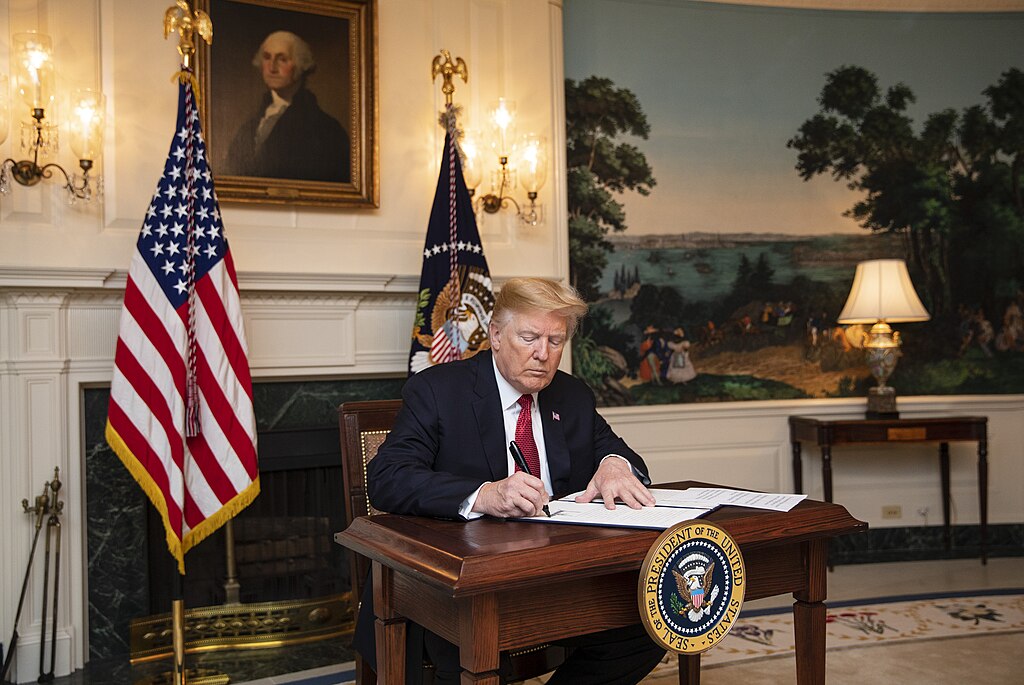
U.S. President Donald Trump signed an executive order on Monday aimed at slashing prescription drug prices by aligning them with international rates. The move directs pharmaceutical companies to meet government-set pricing targets within 30 days or face further regulatory action, including possible tariffs and rulemaking to enforce price reductions.
Trump cited a personal anecdote of a weight-loss drug costing $88 in London versus $1,300 in the U.S. as a motivator. The U.S. continues to pay the highest prices for medications globally—nearly three times more than other developed nations. Trump emphasized that Americans should pay no more than patients in other countries, echoing his long-standing campaign promise to fight inflation and reduce consumer costs.
The order proposes allowing direct-to-consumer drug imports and explores export restrictions for pharmaceutical ingredients contributing to domestic price gaps. It also instructs the Federal Trade Commission to crack down on anti-competitive practices in the industry, such as pay-for-delay deals that prevent cheaper generics from entering the market.
Despite initial investor concerns, the pharmaceutical sector rebounded, with shares of major drugmakers like Pfizer, Merck, and Gilead Sciences climbing after the order’s announcement. Analysts and legal experts noted the plan lacks detailed implementation strategies and is likely to face legal challenges over its scope, particularly regarding drug imports and international price benchmarking.
Industry trade group PhRMA criticized the move, calling it a threat to innovation and warning it could reduce investment in new treatments. Still, the administration insists the order is a bold step toward fair drug pricing and consumer relief.
As legal battles loom, the effectiveness of the order will hinge on its enforcement—and whether it survives scrutiny from both courts and powerful industry players.







