


 US Supreme Court Denies Release of Anti-ICE Activist Kyle Wagner
  IMF Warns US Debt Crisis Needs Fiscal Action, Urges China to Boost Consumption
  Asian Currencies Steady as Dollar Nears 18-Month High Ahead of US CPI
  Trump Confirms US Intelligence Sharing With Ukraine Amid Russian Strikes
  Gaza Olive Harvest Collapses as War Destroys Farmland
  US Recalls Nicaragua Envoy After Ambassador Rejection
  Gold Prices Mixed Ahead of US Inflation Data and Fed Rate Outlook
  UN Urges Talks on Lebanon Peacekeeping Mission Extension
  Container Ship Sinks in Strait of Hormuz as Iran Attacks Escalate
  MI5 Warns of Rising Iran, Russia Threats and AI Bioweapon Risks
  Netanyahu Rejects Preemptive Iran Strike Ahead of Israel Election
  China Bank Lending Rebounds in September, Beats Forecasts
  Zelenskiy Seeks New US Talks to Revive Ukraine-Russia Peace Negotiations
  S&P 500 Futures Rise Ahead of US Inflation Data and Bank Earnings
  Fed’s Williams Sees One More Rate Hike in 2026, None in 2027
  Kim Jong Un Showcases ICBM Ahead of Possible Trump Meeting
  Asian Stocks Fall as Oil Prices Rise Ahead of US CPI Data


 Add as a preferred source on Google
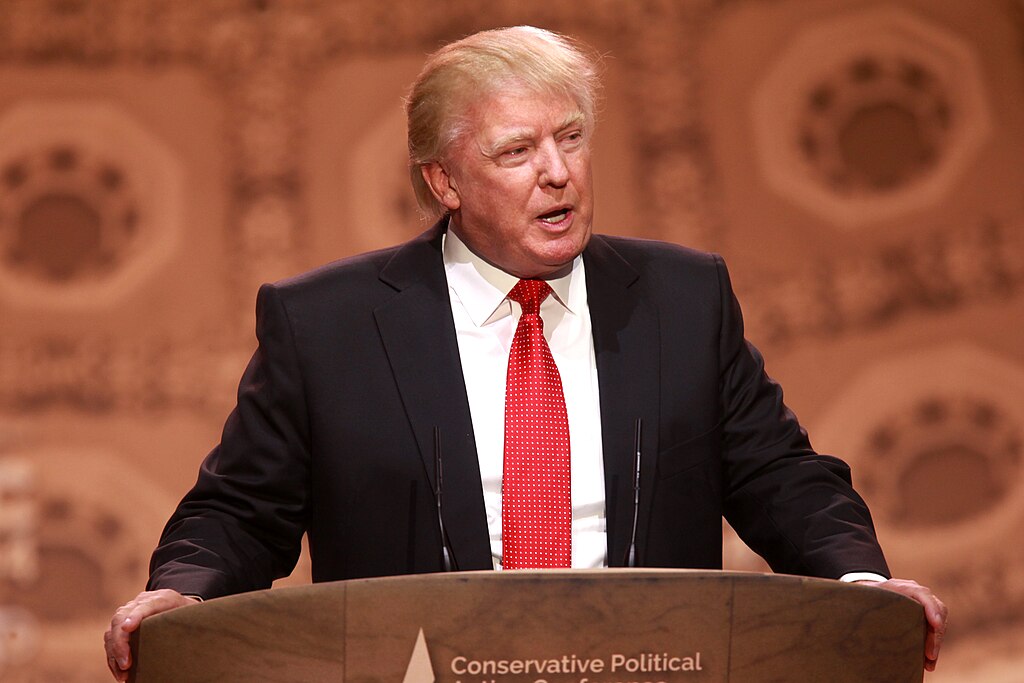
The global economy faces a transformative year in 2025 as President-elect Donald Trump prepares to implement sweeping tariffs, ushering in a new era of trade policies. Wells Fargo’s recent economic forecast outlines the profound implications of these measures, projecting a cautious outlook marked by slower growth and elevated inflation.
U.S. Economy: Growth Slows Amid Tariff Pressure
Central to Trump’s economic agenda is the reintroduction of tariffs, including a 5% duty on all imports and a 30% tariff on Chinese exports. While these policies aim to correct trade imbalances, Wells Fargo strategists predict they will hinder economic expansion. U.S. GDP growth is forecast to slow to 2.0% in 2025, down from 2.7% in 2024.
Despite slower growth, inflation is expected to remain above the Federal Reserve’s 2% target. The core personal consumption expenditures (PCE) price index is projected to hover at 2.5% through 2026. In response, the Fed may adopt a measured easing strategy, with the federal funds rate likely to settle in the 3.50%-3.75% range.
“Trump 2.0 tariffs are likely to disrupt, not upend, the U.S. economy,” Wells Fargo strategist Nick Bennenbroek noted. “Economic expansion will persist but at a reduced pace, with inflationary pressures continuing.”
Global Ripple Effects: Winners and Losers
The impact of U.S. tariffs is expected to ripple through international markets, creating divergent economic outcomes. Emerging economies heavily reliant on U.S. trade, such as Mexico and China, are particularly vulnerable. Mexico, which sends nearly 80% of its exports to the U.S., faces the possibility of a recession in 2025. Meanwhile, China is forecast to experience subdued growth of 4.0%, despite efforts to offset the tariffs' effects.
Conversely, economies less reliant on trade, such as India and Brazil, may demonstrate resilience. These nations benefit from robust domestic demand and investment, allowing them to weather the global protectionist climate. Wells Fargo notes that India and Brazil are “powered by domestic growth, insulating them from rising tariffs.”
Currency markets are expected to mirror these shifts. Emerging market currencies may depreciate under pressure, while nations with closed economies or hawkish monetary policies could see greater stability.
Public Reactions Spark Debate
Trump’s proposed tariffs have drawn strong reactions on social media, with many expressing concern over their potential consequences:
- @EconOutlook2025: “Tariffs are a double-edged sword. Slower growth AND higher inflation? What are we signing up for? #EconomicPolicy”
- @GlobalTradeGuru: “Mexico’s recession is almost guaranteed if Trump’s tariffs go through. A devastating blow to their economy. #TradeWars”
- @InvestSmart: “India and Brazil might come out as winners. A silver lining amid Trump’s economic disruption. #EmergingMarkets”
- @FinanceObserver: “Wells Fargo’s projections show Trump’s tariffs are no joke. Global markets better brace themselves. #EconomicOutlook”
- @PolicyCritic101: “Trump’s tariffs could inflate costs for everyday Americans. Who really wins here? #TrumpEconomics”
- @MoneyMatters: “The Fed may lower rates, but will it be enough to counteract the inflation from tariffs? #MonetaryPolicy”







