


 US Immigration Arrests Surge as Deportations Lag Behind
  US Delegation Visits Myanmar, Secures Release of American Adam Castillo
  Nvidia-Groq AI Chip Deal Faces U.S. Antitrust Probe
  South Korea’s Lee Rules Out Military Role in Middle East War
  Iran Economic Crisis Forces Afghan Families to Return Home
  Japan, U.S. Discuss $19 Billion GlobalFoundries Chip Plant
  FDA Weighs Safety Standards for Psychedelic Therapies
  Trump Eyes End to Iran War, Plans Gulf Leaders Meeting
  US-China Experts Push AI Nuclear Safeguards to Prevent Military Escalation
  Paris Talks Focus on Lebanon Army Needs as UNIFIL Exit Looms
  US Confirms Weapons in Orbit as Space Tensions Rise
  Australia Tightens Student Visa Rules, Targets Migration Cut by 2028
  Guterres Urges Stronger Global AI Safeguards Ahead of UN Assembly
  US Allies Fear Trump Could Soften Taiwan Stance in Xi Talks
  France Urges Faster AI Push Despite Safety Risks
  Australia Plans New Rules Giving Users Control Over Social Media Feeds
  North Korea Vows to Expand Nuclear Arsenal Amid U.S.-Led Military Buildup


 Add as a preferred source on Google
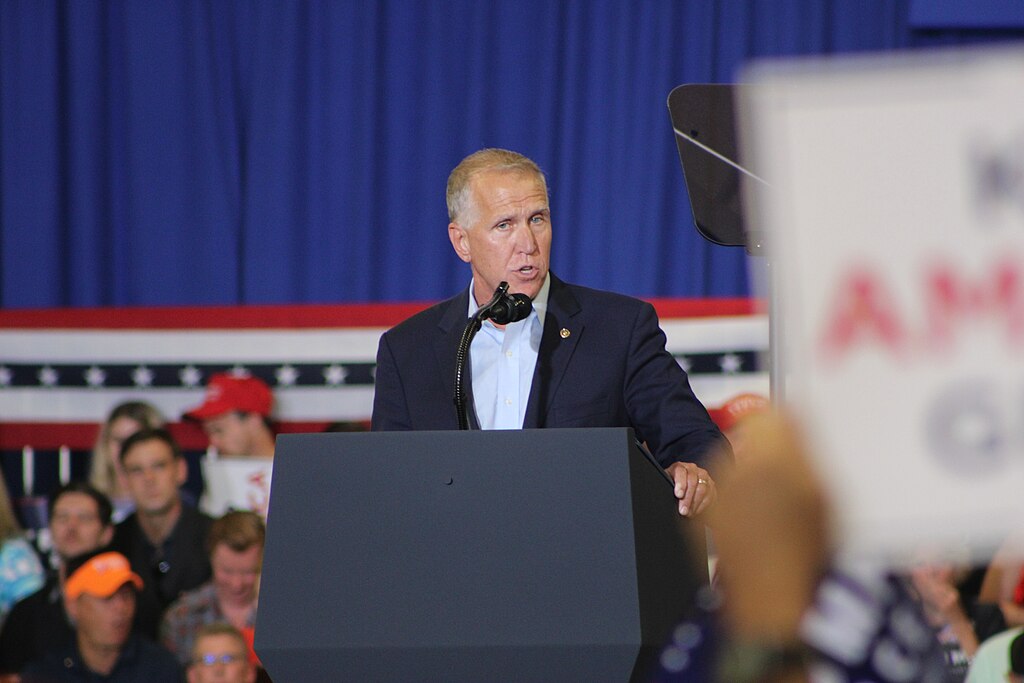
President Donald Trump’s decision to freeze billions in infrastructure funds for Democratic-led states has heightened tensions in Washington as the U.S. government shutdown entered its fourth day, making it one of the longest in recent history. The White House withheld $28 billion earmarked for New York, California, and Illinois, fueling concerns that the move targets political rivals while negotiations to reopen the government stall.
Republican Senator Thom Tillis, who recently announced his retirement after repeated clashes with Trump, warned that such actions could poison bipartisan talks. “You’re going to create a bad faith environment here that could put us further out,” Tillis said, urging the administration to coordinate with Senate Majority Leader John Thune and House Speaker Mike Johnson, who are pushing for a short-term funding deal.
While some Republicans share Tillis’ concerns, others back Trump’s hardline approach. Johnson defended the president, arguing that applying pressure on Democrats is necessary to break the deadlock. Vice President JD Vance dismissed criticism of manipulated images mocking Democratic leaders like Hakeem Jeffries, calling them a joke, despite concerns that such tactics could alienate votes needed to pass a funding bill.
Democrats, meanwhile, remain firm in their demands, including a permanent extension of Affordable Care Act subsidies and protections against the White House withholding funds already allocated by Congress. Senate Democrats have repeatedly blocked funding proposals, arguing that trust in future compromises is at stake if Trump continues to use rescissions and cancellations as leverage.
Senators Lisa Murkowski and Susan Collins, both frequent Trump critics, cautioned against divisive strategies. Murkowski stressed the need to avoid punitive targeting of states, while Collins urged both sides to avoid insults and focus on reopening the government.
With no deal in sight, federal agencies remain shuttered, threatening essential services such as air traffic control. The longer the shutdown drags on, the more likely Republicans may share in the political fallout heading into the midterm elections.







