


 Gaza Olive Harvest Collapses as War Destroys Farmland
  China Warns Taiwan Over South China Sea Coast Guard Incident
  Zelenskiy Says Ukraine Received No Warning Before Russian Missile Attack
  Jordan Bardella Antisemitism Allegations Threaten Le Pen’s Campaign
  US Condemns China Sanctions on Taiwan Allies Belize and Paraguay
  Container Ship Sinks in Strait of Hormuz as Iran Attacks Escalate
  US Senate Midterms 2026: Key Races That Could Flip Control
  China Resumes US Soybean Purchases After Trump-Xi Summit
  Most Americans Oppose Election Betting on Prediction Markets, Poll Finds
  Trump Announces Massive Oil and Mineral Exploration Plans in Greenland
  Kim Jong Un Showcases ICBM Ahead of Possible Trump Meeting
  Trump Denies China, Russia Are Helping Iran in War
  IMF Warns US Debt Crisis Needs Fiscal Action, Urges China to Boost Consumption
  Italy’s Meloni Warns US-Russia Diesel Deal Could Weaken Ukraine Sanctions
  FBI Denies Report of Kash Patel’s Russia Visit
  Netanyahu Rejects Preemptive Iran Strike Ahead of Israel Election
  MI5 Warns of Rising Iran, Russia Threats and AI Bioweapon Risks


 Add as a preferred source on Google
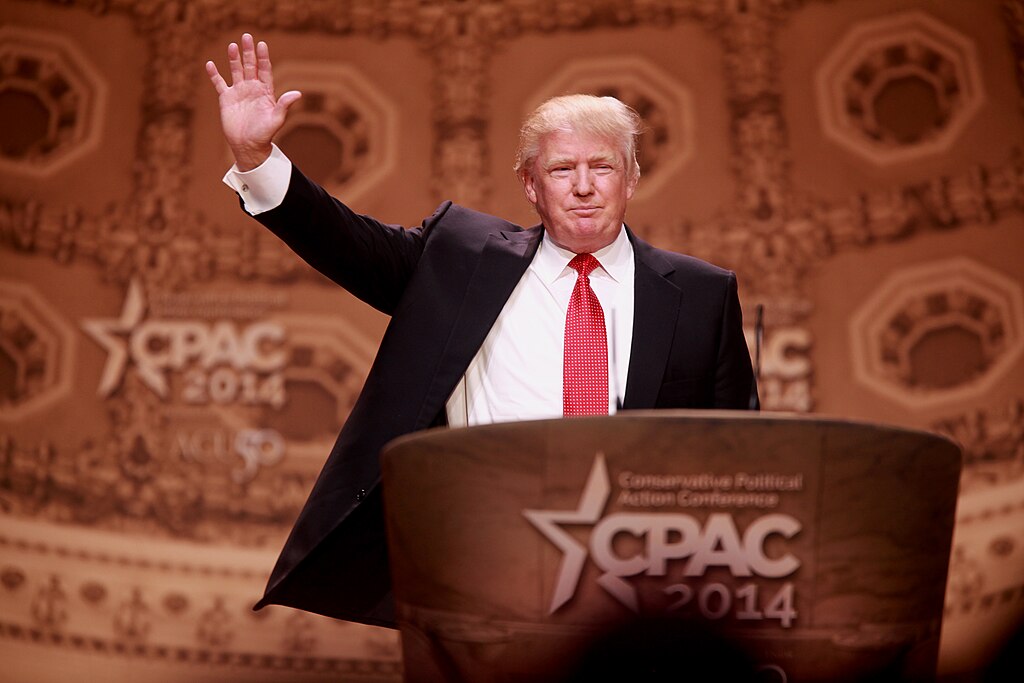
As President-elect Donald Trump prepares for his second term, he has vowed to expand on the controversial tariffs introduced during his first tenure. Targeting America's trading partners, including Canada, Mexico, and China, Trump threatens to impose stricter levies unless they meet demands ranging from border security to supply chain reforms. While the rhetoric has energized some domestic industries, economists caution that tariffs are a double-edged sword with significant winners and losers.
Trump has already set his sights on countries like Canada and Mexico, calling for stronger measures to combat undocumented migration and drug trafficking across U.S. borders. However, experts argue that while such policies aim to protect certain domestic sectors, they could trigger economic ripple effects that harm consumers, exporters, and global trade dynamics.
Winners: Domestic Manufacturers and Select Industries
Supporters of Trump’s tariff policy highlight potential benefits for specific domestic industries. Gene M. Grossman, a professor of international economics at Princeton University, noted that manufacturing sectors such as toys, furniture, and appliances could see gains. By shielding these industries from foreign competition, tariffs allow U.S. firms to increase their prices and expand their market share.
Kyle Handley, an economics professor at UC San Diego, also pointed out that industries competing directly with imports, such as steel manufacturers, may benefit from reduced competition. Additionally, firms with political connections could receive tailored tariff exemptions, gaining an edge over competitors. Grossman emphasized that countries producing goods similar to those from China, such as Vietnam and Mexico, might also benefit from trade diversion.
Despite these potential advantages, experts stress that gains will likely be concentrated among a limited group of industries and firms.
Losers: Consumers, Exporters, and Supply Chains
The broader economic fallout of increased tariffs is expected to disproportionately affect consumers and exporters. Alan S. Blinder, a former Federal Reserve vice chairman, warned that higher prices on imported goods will hit U.S. consumers and businesses reliant on foreign inputs. Industries like auto manufacturing and aerospace, which depend on complex global supply chains, could face higher costs, reduced profits, and potential layoffs.
Harvard economist Jeffrey Frankel highlighted that soybean farmers and other exporters could face retaliation from foreign governments, further compounding economic losses. Frankel also suggested that inflation could rise, adding pressure to housing and other sectors already grappling with elevated costs.
Additionally, Handley cautioned that across-the-board tariffs might lead to lower wages and job cuts long before businesses consider reshoring production. “The biggest losers will be industries that use significant imported inputs,” he explained.
Public Reaction: Divided Opinions on Tariffs
Trump’s tariff policies have sparked heated debate on social media, with opinions ranging from strong support to outright criticism:
- @TradeWinsUSA: “Tariffs level the playing field for American workers. We need to protect our industries!”
- @EconGuru90: “Consumers will pay the price. Higher costs hurt us all, not just foreign exporters.”
- @FarmerFirst: “What about retaliation? Our farmers can’t survive another trade war.”
- @SteelStrong: “Finally, a president who cares about American manufacturing!”
- @SupplyChainPro: “Tariffs don’t fix global supply chains—they disrupt them. This will hurt more than it helps.”
- @ShopperAngst: “So my Cyber Monday deals will be even more expensive next year? No thanks, Mr. President.”







