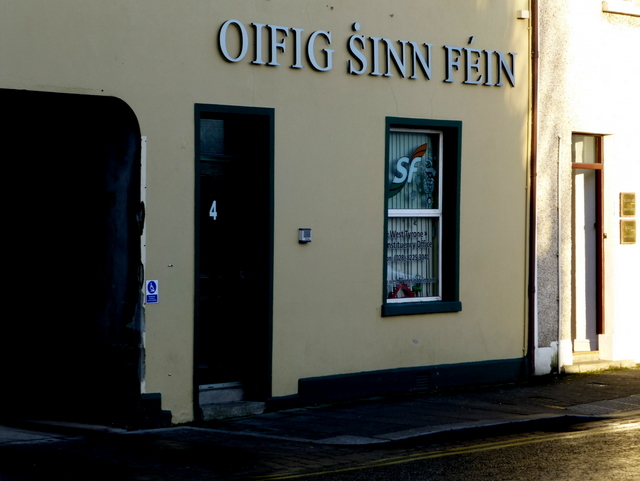
The recent local elections in Northern Ireland have resulted in sweeping victories for the Irish nationalist party Sinn Fein. The nationalists overtook the pro-British Democratic Unionist Party by a wide margin following the victories in the assembly elections last year.
On Saturday, Sinn Fein gained major victories in the recent local elections for council positions in Northern Ireland, following their victories over the DUP in the local assembly at Stormont last year. This marked the first time Sinn Fein became the biggest party at a local level. This also marked the latest political achievement by Sinn Fein, the former political wing of the Irish Republican Army, which sought to leave the United Kingdom and form a united Ireland.
Sinn Fein received eight percent more votes to 31 percent and won 144 of the 462 seats that were up for election, up by 39 from 2019. The DUP, which was last year’s biggest party on a local level, only won 122 seats with 23 percent of the overall votes.
“Historic change is happening and Sinn Fein is leading that change right across Ireland,” said Sinn Fein’s leader in Northern Ireland, Michelle O’Neill, telling the DUP that voters wanted them to end their 15-month boycott of the devolved assembly, which started in protest of the post-Brexit trade rules between the European Union and the UK over the region.
The DUP sought to frame the recent elections as a chance to boost its calls for more concessions from the UK on the post-Brexit Northern Ireland trade, saying that the results were a “strong mandate” for unionists in the region.
“We want the government to deliver on the commitments they have given to protect Northern Ireland’s place within the United Kingdom and I hope to see progress in the next few weeks,” DUP leader Jeffrey Donaldson told Reuters.
The DUP has previously said it will not end its year-long boycott of the devolved assembly unless London revises the trade agreement to protect Northern Ireland’s ability to trade with the rest of the UK while offering greater flexibility over the new trade deal that was brokered in February, called the Windsor Framework.
Photo: Kenneth Allen/Wikimedia Commons(CC by 2.0)