


 Trump Demands Powell Resign Over Fed Renovation Cost Overruns
  Ukraine Deploys FP-7 Ballistic Missile in Combat for First Time
  Trump Says He Raised Political Prisoners With Xi
  Netanyahu Vows Probe Into Foiled Flydubai Crash Attempt
  Wicker Urges US to Uphold Taiwan Security Commitments
  US Waives Egypt Military Aid Conditions Over Iran War Role
  New Zealand Election Raises Policy Uncertainty for Investors
  Trump Praises Boeing 737 Max After Flydubai Crash Attempt
  Flydubai Co-Pilot Tried to Crash Israel-Bound Jet, Netanyahu Says
  US Alcohol Ban Exposes Canada’s Internal Trade Barriers
  California Leads Lawsuit Over Trump’s $810 Million Funding Cuts
  Iran Plans Stronger Response if US Attacks Resume
  South Korea Warns Ukraine Over North Korean POW Dispute
  Pentagon Launches Autonomous Warfare Command
  Trump Taps Dennis Rodman as Kim Jong Un Outreach Continues


 Add as a preferred source on Google
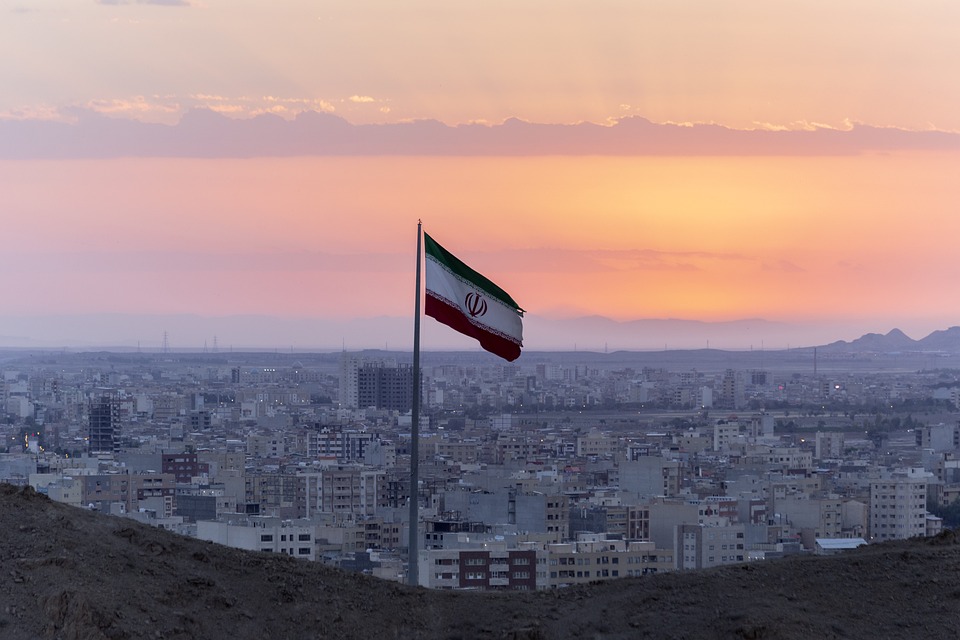
Iran’s top diplomat said that he has met with his Saudi counterpart on the sidelines of a conference hosted in Jordan. This marks the first high-profile meeting between officials of the two countries since cutting ties in 2016.
Iranian foreign minister Hossein Amirabdollahian said on Wednesday that he spoke with his Saudi counterpart, Prince Faisal bin Farhan al-Saud on Tuesday among other foreign ministers that he had the opportunity to hold “friendly talks” on the sidelines of the Jordan conference. Amirabdollahian said that Prince Faisal told him of the kingdom’s willingness to continue dialogue with Iran.
In other comments by Amirabdollahian, reported by Iran’s IRNA news outlet, the top Iranian diplomat said he “announced our readiness to continue the process that started in Baghdad.”
“We are interested in resuming talks with Saudi Arabia and they also wanted it,” said Amirabdollahian, according to the outlet.
The meeting between Amirabdollahian and Prince Faisal marks the highest-profile meeting between officials from rivaling countries since cutting ties in 2016. Both countries have been on opposing sides in regional conflicts such as in Syria and Yemen. Iraq has been hosting meetings between Saudi and Iranian officials since last year in an effort to ease tensions.
The last meeting between Saudi and Iran in Iraq was in April. So far, there have been no breakthroughs from the meetings.
Tensions between the two countries flared as of late due to the ongoing protests across Iran that started in September. Iran’s Revolutionary Guards told Saudi Arabia to control its media coverage of the protests and Iran’s intelligence minister warned Riyadh that there was no guarantee that Iran will maintain its “strategic patience.”
Amirabdollahian also met with the European Union’s foreign policy chief Josep Borrell on the sidelines of the conference. Borrell told Amirabdollahian that Tehran must stop its repression of the demonstrators as well as the support for Russia in an effort to restart deadlocked talks to revive the nuclear agreement.
Borrell said the meeting with Amirabdollahian was important despite heavily strained relations between Iran and the bloc. Borrell also appeared to signal that the bloc will continue working with Iran to restore the 2015 agreement also known as the Joint Comprehensive Plan of Action that the United States withdrew from in 2018.







