


 U.S. Issues Cuba Health Alert as Illnesses Rise
  New Zealand Labour Backs Social Media Ban for Under-16s
  Bolivia Military Barracks Explosion Kills Nine
  Canada Retaliatory Tariffs on U.S. Goods Take Effect
  Israel Strikes Southern Lebanon After Hezbollah Drone Attack
  SEC Sues Former Tricolor Executives Over $1.9 Billion Investor Fraud Scheme
  Anthropic Drops $6 Billion Decart AI Acquisition Talks
  Guatemala Receives 2,300 Mexicans Deported From US
  Amazon Prime Air Cargo Plane Crash Kills Five at Miami Airport
  Asian Stocks Mixed as Korean Chipmakers Rally
  Longsys Raises $903 Million in Hong Kong IPO as Shares Debut Flat
  Judge Blocks Trump Mail Voting Order Ahead of 2026 Midterms
  Oil Prices Rise as Hormuz Tensions Threaten Supply
  ECB Set for September Rate Hike as Energy Prices Fuel Inflation
  GSM Eyes US, Europe Expansion Ahead of 2028 Hong Kong IPO
  OPEC+ Expected to Hold October Oil Output Steady
  China to Inject $45 Billion Into State Financial Institutions


 Add as a preferred source on Google
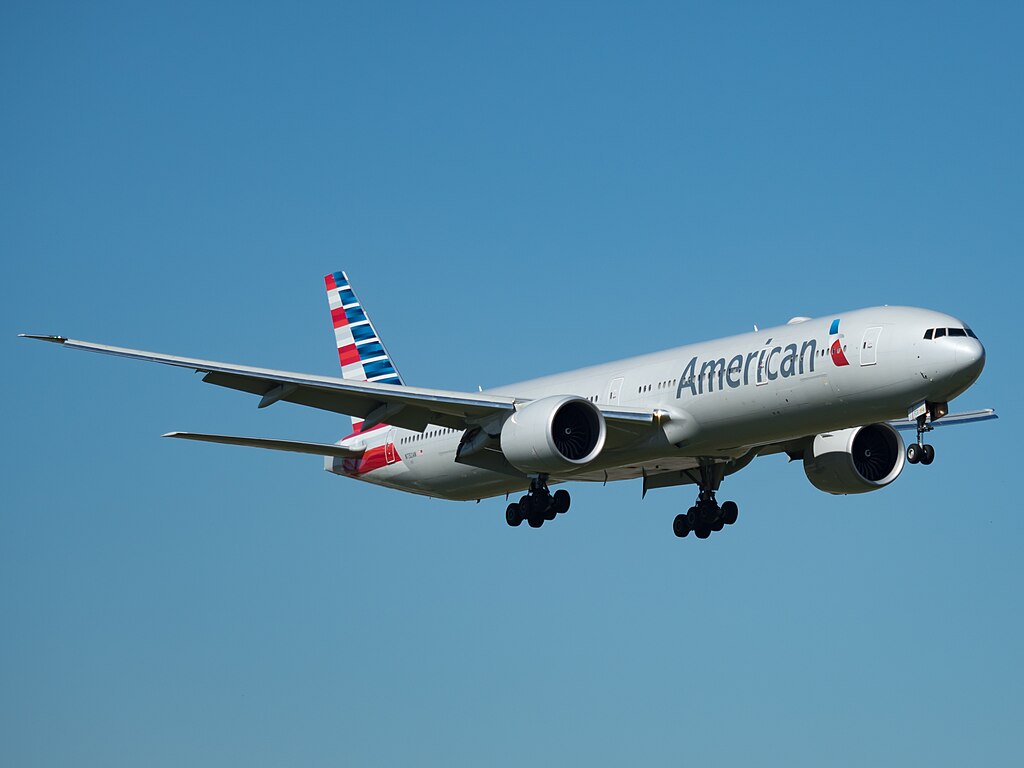
U.S. airlines are raising alarms over the potential impact of a partial federal government shutdown on American air travel. Major carriers represented by the trade group Airlines for America, including United Airlines, Delta Air Lines, American Airlines, and Southwest Airlines, warned that a funding lapse could slow flight operations, strain staffing, and inconvenience millions of travelers.
The shutdown, expected to begin Wednesday if Congress fails to reach a funding agreement, would force essential employees such as air traffic controllers and Transportation Security Administration (TSA) officers to work without pay. Approximately 50,000 TSA workers and thousands of air traffic controllers would be affected. During the last major shutdown in 2019, unpaid workers called in sick more frequently, leading to extended wait times at security checkpoints and slowed air traffic in key hubs like New York.
Industry leaders emphasize that the shutdown would also freeze Federal Aviation Administration (FAA) hiring and training programs, further compounding the ongoing air traffic controller shortage. The FAA is currently about 3,800 controllers short of its target staffing levels, forcing many employees into overtime and six-day workweeks. Hundreds of trainees at the FAA Academy in Oklahoma City could be furloughed, creating lasting setbacks in the training pipeline.
Beyond staffing, aviation groups caution that shutdowns disrupt critical operations, including aircraft inspections, pilot check rides, and safety initiatives. Long-term consequences could include delays in certifying new aircraft like the Boeing 737 MAX 7 and halting modernization programs, including a $12.5 billion air traffic control upgrade.
Transportation Secretary Sean Duffy has also voiced concern, noting that an extended shutdown could jeopardize both safety measures and modernization projects. With political gridlock in Washington threatening to halt funding, the aviation industry warns that any disruption will ripple across the system, affecting airlines, airports, and millions of passengers nationwide.







