


 US Charges Maduro and Wife With Torture Conspiracy
  Trump Cancels Alabama Football Trip as Hurricane Isaias Approaches
  RFK Jr. Launches Nationwide Vaccine Safety Review
  US, EU Push for Action Against Asia’s Excess Factory Capacity
  Venezuela’s Machado Calls for Elections by July 2027
  Zelenskiy Offers Russia Energy Truce Amid Trump Pressure
  Flydubai Co-Pilot Planned Suicide Attack on Israel Airport, UAE Says
  Trump Announces Russia-Ukraine Energy Ceasefire as Zelenskiy Awaits Details
  Flavio Bolsonaro Leads Lula 49%-45% in Brazil Runoff Poll
  Panama Declares Emergency After 7.7 Earthquake Triggers 200 Aftershocks
  Yandex Data Center Hit by Drone Strike as Russia-Ukraine Cyber Infrastructure Attacks Escalate
  JD Vance Questions Pentagon Plan to Livestream Fort Hood Shooter’s Execution
  Ripple Chairman Chris Larsen Donates $22.5 Million Ahead of US Midterms
  Zelenskiy Slams US Over Deadly Russian Strikes on Ukraine
  US Judge Blocks Trump Administration’s Taxpayer-Funded Political Ads
  Pakistan Declares Emergency in Khyber Pakhtunkhwa, Suspends Imran Khan’s PTI Government


 Add as a preferred source on Google
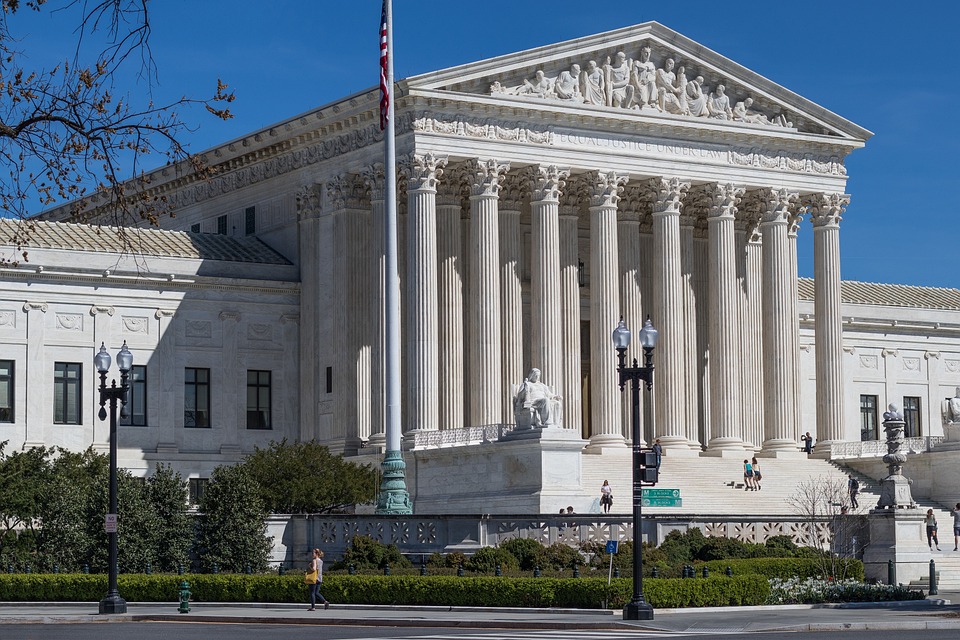
The United States Supreme Court heard arguments to a challenge to a law pertaining to the adoption or foster care placements of Native American children. Following three hours of arguments from both sides, the justices appeared divided.
The Supreme Court Justices on Wednesday appeared divided over the legal challenge to the legality of the requirements giving priority to the adoption and foster care placements of Native Americans and tribal members. A group of non-Native Americans and the Republican officials of Texas challenged the requirements when the lower courts declared parts of the law unconstitutional. The Biden administration and several Native American tribes are defending the law.
The Conservative-majority justices did not appear willing to entirely strike down the Indian Child Welfare Act of 1978. However, their questions underlined divisions on whether Congress overstepped its authority in passing the legislation. The justices also appeared to be divided over whether the provisions in the law racially discriminate against non-Native Americans, as the plaintiffs have argued.
The 1978 Indian Child Welfare Act would give “preference” to members of a child’s extended family, other tribe members, or “other Indian families” when it comes to adoptions. The law aimed to reinforce tribal connections by setting federal standards for removal or placement in foster care or adoption.
Some of the court’s Conservative justices have expressed concerns about the third preference of “other Indian families.” However, the three Liberal justices and Conservative justice Neil Gorsuch were in favor of the law, saying that Congress saw the legislation as necessary to protect sovereign tribes from extinction.
The day before, the justices signaled that they are unlikely to rule against preventing people who depend on federal assistance programs such as Medicaid from suing when the states violate their rights even as the high court considers barring cases surrounding nursing home care. The justices heard an appeal from the Health and Hospital Corp of Marion County from Indiana.
The plaintiff appealed the ruling of a lower court in favor of the family of Gorgi Talevski, a nursing home resident who is diagnosed with dementia, to pursue a lawsuit against the facility, citing that Talevski’s rights were violated.







