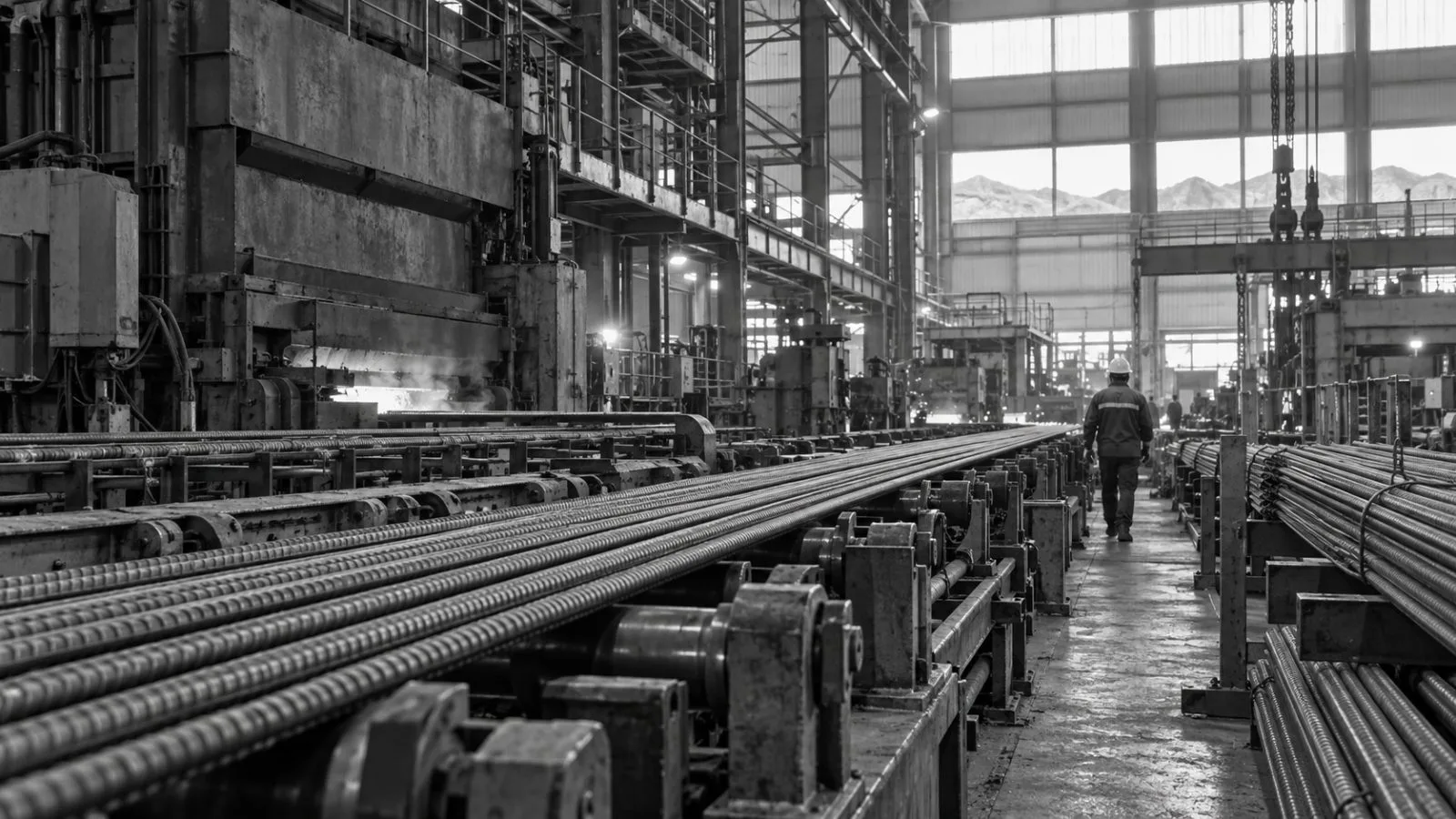
We use machines to mimic human tasks so often that we don't even notice we're doing it. It's estimated that robots powered by artificial intelligence will be an integral part of our daily lives as soon as 2025.
Machine learning makes it possible for computers to process huge amounts of data in record time. Repetitive tasks are performed with precise accuracy. AI ensures that each and every function is delivered in exactly the same way, which completely removes human error from every task.
Complex algorithms mean that AI can assist with complicated tasks performed in sequence. Naturally, this makes business more efficient, which raises valid concerns about human job security.
AI lets businesses replace their human employees with productive robots that don't need to have a tea break every few hours.
Today, robots already play a vital role in key industries like healthcare, sales, and logistics. Businesses are using artificial intelligence to drive better marketing campaigns, increase cybersecurity, and enhance their recruitment process.
There are however still a wide range of jobs that AI simply can't handle.
Jobs that rely on lateral thinking, innovation and creativity, still need humans to do the work. Companies that work in the internet such as eCommerce and gaming websites still open new positions for graphic designers, coders and copywriters. For instance, the online casino Spinbit opened several positions for marketers last year.
Opinions on whether or not AI will replace human employees are divided.
On one side of the fence, it's clear that artificial intelligence has a place in just about every industry. Computers are becoming more sophisticated, and their ability to behave like humans is becoming more refined.
Customer service consultants, couriers, research consultants, retail assistants, accountants, and HR professionals are already seeing pressure on their human roles.
The other school of thought maintains that humans are driven by ingenuity, and will always have the ability to adapt. Human nature ensures that people will continue to innovate, which will help find ways to create jobs that are still beyond the reach of AI.
Everything can be automated, but should everything be passed to AI?
While machines can be taught to perform complex functions, they lack the human touch. Robots are unable to generalise or conceptualise solutions beyond their pre-defined algorithms. AI can't respond to experience. Machines have no ability to understand human emotion. Robots are also unable to perform innovative or creative tasks.
Ironically, humans and machines cannot function autonomously, because humans make the machines. AI will always need people to write the algorithms, interpret the data, and maintain ethical use of robots.
The future lies in augmented reality, where people and machines can work together in perfect harmony.
This article does not necessarily reflect the opinions of the editors or management of EconoTimes